


Indoor air quality has become a growing concern for many households, particularly as we spend more time indoors. While expensive air purifiers dominate the market, nature offers an elegant and affordable solution. The snake plant, scientifically known as Sansevieria trifasciata, stands out as one of the most effective and low-maintenance houseplants for improving air quality. This remarkable plant not only thrives in challenging conditions but also comes with a price tag that won’t strain your wallet.
Introduction to our air-purifying plant
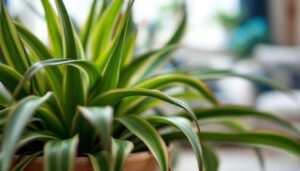
The snake plant has earned numerous nicknames over the years, including mother-in-law’s tongue and viper’s bowstring hemp. Native to tropical West Africa, this resilient succulent has adapted to survive in harsh environments, making it perfect for indoor cultivation. Its distinctive appearance features tall, upright leaves with variegated patterns ranging from deep green to yellow-gold edges.
Physical characteristics
Snake plants typically grow between 6 inches to 4 feet tall, depending on the variety and growing conditions. The thick, sword-shaped leaves grow vertically from a basal rosette, creating an architectural presence in any room. Several popular varieties exist:
- Sansevieria trifasciata ‘Laurentii’: features yellow margins along the leaf edges
- Sansevieria trifasciata ‘Moonshine’: displays silvery-green leaves
- Sansevieria cylindrica: produces round, cylindrical leaves
- Sansevieria ‘Black Gold’: showcases dark green leaves with golden edges
Historical significance
Beyond its practical benefits, the snake plant holds cultural importance in various regions. In feng shui practice, it represents protective energy and is believed to absorb negative vibrations. West African communities have traditionally used the plant’s fibers for bowstrings and basket weaving, demonstrating its versatility beyond ornamental purposes.
Understanding the plant’s natural habitat and characteristics helps explain why it performs so well as an air purifier in modern homes.
How this plant cleans the air
The snake plant’s air-purifying capabilities gained scientific recognition through NASA’s Clean Air Study conducted in the late 1980s. This research identified specific houseplants that effectively remove toxic compounds from indoor environments.
Toxins removed from the air
Snake plants demonstrate remarkable efficiency in filtering harmful substances commonly found in household air. The primary toxins they remove include:
| Toxin | Common Sources | Health Effects |
|---|---|---|
| Formaldehyde | Pressed wood products, paper goods, cleaning agents | Respiratory irritation, headaches |
| Benzene | Tobacco smoke, detergents, synthetic fibers | Dizziness, increased heart rate |
| Trichloroethylene | Dry cleaning, printing inks | Liver and kidney damage |
| Xylene | Paint thinners, varnishes | Confusion, breathing difficulties |
Unique oxygen production
Unlike most plants, snake plants perform a special type of photosynthesis called Crassulacean Acid Metabolism (CAM). This process allows them to convert carbon dioxide into oxygen during nighttime hours, making them exceptional bedroom companions. Most plants release carbon dioxide at night, but snake plants continue producing oxygen, potentially improving sleep quality.
The combination of toxin removal and nighttime oxygen production makes this plant particularly valuable for maintaining healthy indoor air quality around the clock.
Easy care and minimal light
One of the snake plant’s greatest advantages is its remarkable tolerance for neglect and challenging growing conditions.
Light requirements
Snake plants thrive in low to medium indirect light, though they adapt to various lighting conditions. They can survive in corners far from windows or in rooms with limited natural light. While they grow faster in brighter conditions, they won’t suffer in dimly lit spaces, making them ideal for:
- Basement apartments
- Interior offices without windows
- Bathrooms with minimal natural light
- Hallways and entryways
- North-facing rooms
Watering needs
The snake plant’s succulent nature means it stores water in its thick leaves, requiring minimal watering. During growing season, water every two to three weeks, allowing the soil to dry completely between waterings. In winter, reduce watering to once monthly. Overwatering poses the greatest risk to snake plants, potentially causing root rot.
Temperature and humidity
These hardy plants tolerate a wide temperature range between 55°F and 85°F. They don’t require special humidity levels, thriving in typical household conditions. This adaptability eliminates the need for expensive humidifiers or careful climate control.
The plant’s forgiving nature makes it perfect for those seeking maximum benefits with minimal investment of time and effort.
Ideal for small budgets
Affordability represents one of the snake plant’s most appealing features, especially when compared to mechanical air purification systems.
Cost comparison
| Air Purification Method | Initial Cost | Annual Maintenance |
|---|---|---|
| HEPA Air Purifier | $150-$400 | $50-$100 (filter replacement) |
| Snake Plant | Under $7 | $0-$5 (optional fertilizer) |
Long-term value
Beyond the initial purchase price, snake plants offer exceptional long-term value. They require no electricity, no replacement parts, and minimal supplies. A single plant can live for decades with proper care, and mature plants produce offshoots that can be separated and potted, creating free additional plants.
Finding these budget-friendly air purifiers requires knowing where to look for the best deals.
Where to buy this plant for under 7 euros
Several retailers offer snake plants at affordable prices, making them accessible to virtually any budget.
Physical retail locations
Large home improvement stores frequently stock snake plants in their garden centers. Home Depot, Lowe’s, and IKEA typically offer small to medium specimens for under $7. Local nurseries often provide competitive pricing, especially during seasonal sales.
Online options
Internet shopping expands your options considerably:
- Amazon: offers various sizes with customer reviews
- Etsy: features small growers with unique varieties
- Facebook Marketplace: connects you with local sellers offering cuttings or divisions
- Craigslist: provides free or low-cost plants from people dividing their collections
Timing your purchase
Shopping strategically can yield even better prices. Spring typically brings the best selection and competitive pricing as nurseries stock up for the growing season. End-of-season sales in late summer and early fall often feature discounted plants as retailers clear inventory.
Once you’ve acquired your plant, proper care techniques will ensure it thrives and continues purifying your air effectively.
Tips to optimize its growth
While snake plants tolerate neglect, implementing specific strategies enhances their health and air-purifying capabilities.
Soil and potting recommendations
Use a well-draining cactus or succulent mix to prevent water retention that could lead to root rot. Ensure pots have drainage holes, and consider adding a layer of pebbles at the bottom for extra drainage. Repot only when the plant becomes root-bound, typically every three to five years.
Fertilization schedule
Feed your snake plant sparingly with a balanced, diluted houseplant fertilizer. Apply once in spring and once in summer during the growing season. Avoid fertilizing in fall and winter when the plant enters dormancy.
Cleaning and maintenance
Dust accumulation on leaves reduces photosynthesis efficiency. Wipe leaves monthly with a damp cloth to maintain optimal air purification. Inspect regularly for:
- Yellowing leaves indicating overwatering
- Brown tips suggesting fluoride sensitivity
- Wrinkled leaves signaling underwatering
- Pest infestations, though rare
Propagation for more plants
Multiply your investment by propagating new plants through leaf cuttings or division. Cut healthy leaves into three-inch sections and plant in moist soil, or separate offshoots from the mother plant during repotting. This creates additional air purifiers at zero cost.
The snake plant represents an exceptional investment for anyone seeking cleaner indoor air without breaking the bank. Its proven ability to remove harmful toxins, produce oxygen during nighttime hours, and thrive in challenging conditions makes it invaluable for modern living spaces. With minimal care requirements and a price point under $7, this remarkable houseplant offers maximum benefits for minimal investment. Whether placed in a bedroom, office, or living area, the snake plant quietly works to improve air quality while adding natural beauty to your environment. Its resilience ensures success even for those without gardening experience, making healthy indoor air accessible to everyone.