

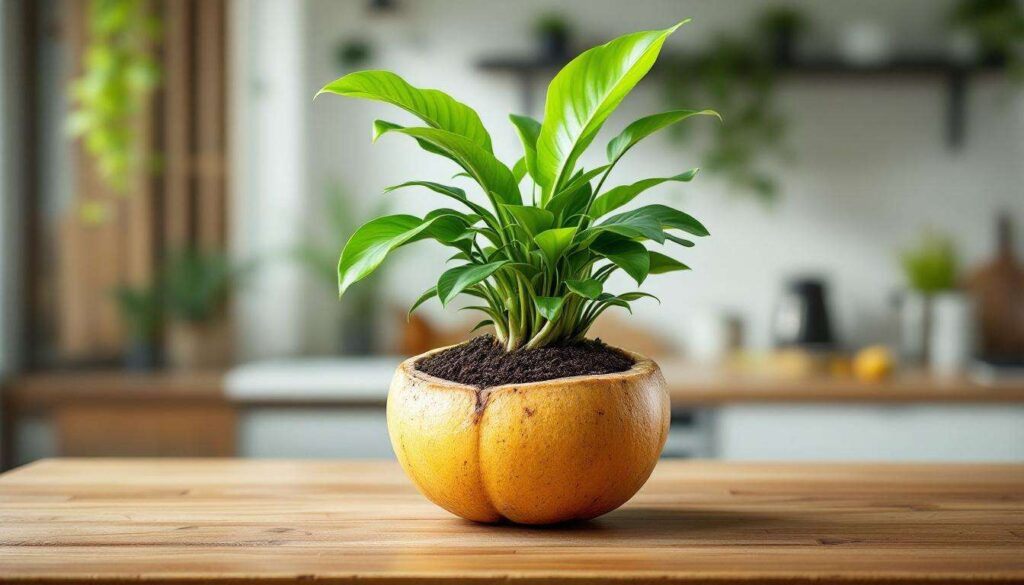
Growing your own tropical houseplant from something as simple as a kitchen fruit might sound too good to be true, but avocado trees are surprisingly easy to cultivate indoors. This popular superfood doesn’t just belong on your toast—the pit inside can transform into a lush, exotic plant that adds vibrant greenery to any living space. With minimal investment and just a few weeks of patience, you can watch a seemingly lifeless seed sprout roots and leaves, creating a conversation piece that connects you to the natural world. The process requires no special gardening expertise, making it accessible to both seasoned plant enthusiasts and complete beginners looking to add living décor to their homes.
What is this exotic plant ?
The avocado tree as a houseplant
The avocado tree (Persea americana) originates from Central and South America, where it has been cultivated for thousands of years. While commercial orchards grow these trees to impressive heights of 40 to 80 feet, indoor varieties remain much more manageable, typically reaching between 5 and 10 feet when grown in containers. The plant features large, glossy leaves that can span up to 12 inches in length, creating a dramatic tropical aesthetic that rivals any store-bought houseplant.
Why avocado pits make excellent starter plants
Unlike many exotic plants that require specialized seeds or cuttings, avocado trees can be grown from the pit of any avocado purchased at your local grocery store. This accessibility makes them an ideal first project for aspiring indoor gardeners. The pit contains all the genetic material and stored energy needed to produce a viable plant, and its relatively large size makes it easy to handle during the germination process. Key advantages include:
- No cost beyond the fruit you were already planning to eat
- High germination success rate when proper techniques are followed
- Fast initial growth that provides visible progress within weeks
- Educational value for teaching children about plant biology
Understanding the nature of this plant helps set realistic expectations for the growing journey ahead.
The benefits of growing this plant at home
Air purification and environmental advantages
Like many houseplants, avocado trees contribute to improved indoor air quality by absorbing carbon dioxide and releasing oxygen through photosynthesis. Their large leaf surface area makes them particularly effective at this gas exchange. Studies have shown that indoor plants can reduce certain volatile organic compounds (VOCs) in the air, though the avocado tree’s primary benefit remains its oxygen production and humidity regulation through transpiration.
Aesthetic and psychological benefits
The presence of greenery indoors has been linked to reduced stress levels and improved mood in numerous psychological studies. An avocado plant’s tropical appearance brings a touch of vacation-like ambiance to any room. The vertical growth pattern and broad leaves create visual interest and can serve as a natural room divider or focal point in interior design. Additionally, the satisfaction of nurturing something from seed to mature plant provides a sense of accomplishment and connection to natural cycles.
Cost-effectiveness compared to store-bought plants
Purchasing a mature tropical houseplant from a nursery can cost anywhere from $30 to over $100 depending on size and species. Growing an avocado tree from a kitchen fruit costs virtually nothing beyond the avocado itself, which you were likely buying for consumption anyway. This makes it an economical option for filling empty corners or adding multiple plants throughout your home without straining your budget.
Once you understand these compelling advantages, the next step involves selecting the right fruit and preparing it for planting.
How to start with a kitchen fruit
Selecting the right avocado
Not all avocados are created equal when it comes to growing success. Choose a ripe avocado from the store—one that yields slightly to gentle pressure but isn’t overly soft or bruised. Organic avocados are preferable as they haven’t been treated with growth inhibitors that some commercial operations use. The variety doesn’t significantly impact germination success, though Hass avocados are most commonly available and work perfectly well.
Extracting and preparing the pit
Carefully cut the avocado lengthwise around the pit, then twist the halves apart. Remove the pit without cutting into it—any damage to the seed coat can reduce germination rates. Rinse the pit gently under cool water to remove all avocado flesh, as residual fruit can promote mold growth during the germination process. Some growers remove the thin brown seed coat, though this step is optional and primarily aesthetic.
The toothpick suspension method
The most popular germination technique involves suspending the pit over water using toothpicks. Insert three to four toothpicks around the pit’s midsection at slight downward angles, spacing them evenly. These toothpicks will rest on the rim of a glass or jar, holding the pit so that the bottom third is submerged in water while the top remains dry. Important considerations include:
- Identify the pit’s orientation: the broader, flatter end goes down into water
- Use a clear glass to monitor root development
- Place the setup in a warm location with indirect light
- Change the water every 3-5 days to prevent bacterial growth
| Method | Germination Time | Success Rate |
|---|---|---|
| Water suspension | 2-6 weeks | 70-80% |
| Direct soil planting | 3-8 weeks | 60-70% |
| Paper towel method | 2-4 weeks | 65-75% |
With your pit properly prepared and positioned, you can now anticipate the remarkable transformation that occurs over the following weeks.
The growth stages in 4 weeks
Week 1: The waiting period
During the first week, visible changes are minimal but crucial internal processes are underway. The pit absorbs water and begins to swell slightly as dormant cells activate. You may notice the brown outer skin starting to wrinkle or peel—this is completely normal and indicates that germination is progressing. Patience is essential during this stage, as rushing or disturbing the pit can interrupt the process.
Week 2: The first crack appears
Around the two-week mark, a vertical crack typically appears along the pit’s length, running from top to bottom. This split signals that the seed is about to produce its first root. The crack may seem dramatic, but it’s a healthy sign of growth. Shortly after the crack appears, a small white taproot will emerge from the bottom of the pit and begin growing downward into the water.
Week 3: Root development accelerates
By the third week, the taproot has usually extended several inches and may have developed secondary roots branching off from the main root. The top of the pit begins to show signs of stem development as well. A small shoot pushes through the crack at the pit’s apex, though it may still be pale or tightly closed at this stage. The root system becomes increasingly complex as it seeks nutrients and stability.
Week 4: The stem emerges with leaves
The fourth week typically brings the most visually dramatic changes. The stem elongates rapidly, sometimes growing several inches in just days. The first leaves unfurl from the stem’s tip, initially appearing reddish or bronze before transitioning to their characteristic deep green. At this point, the plant has established enough root and leaf structure to begin photosynthesis independently, marking its transition from seed to self-sustaining organism.
Once your avocado plant reaches this stage of development, proper ongoing care becomes essential for continued health and growth.
Care tips for a healthy plant
Transplanting to soil at the right time
When the root system reaches 4-6 inches in length and the stem has produced several sets of leaves, it’s time to transition your avocado from water to soil. Choose a pot with drainage holes that’s at least 8-10 inches in diameter. Use a well-draining potting mix—a combination of standard potting soil with perlite or sand works well. Plant the pit so that the top half remains exposed above the soil line, as burying it completely can lead to rot.
Light requirements for optimal growth
Avocado plants thrive in bright, indirect light and need at least 6 hours of light daily. A south or west-facing window typically provides ideal conditions. If natural light is insufficient, especially during winter months, consider supplementing with a grow light positioned 12-18 inches above the plant. Insufficient light causes leggy, weak growth and pale leaves, while too much direct sun can scorch the foliage.
Watering schedule and soil moisture
Proper watering is critical for avocado plant health. The soil should remain consistently moist but never waterlogged. Water thoroughly when the top 2 inches of soil feel dry to the touch, allowing excess water to drain completely. Overwatering is the most common cause of avocado plant failure, leading to root rot and yellowing leaves. During active growth periods in spring and summer, you may need to water 2-3 times weekly, while winter requires less frequent watering.
Fertilization and pruning strategies
Feed your avocado plant with a balanced, water-soluble fertilizer diluted to half strength every 4-6 weeks during the growing season. Pruning encourages bushier growth rather than a single tall stem. When the plant reaches 12 inches in height, pinch off the top two sets of leaves. This prompts lateral branching and creates a fuller appearance. Continue this pruning strategy periodically to maintain the desired shape and size.
Even with attentive care, certain challenges may arise during the cultivation process.
Common problems and solutions during cultivation
The pit won’t germinate
If your avocado pit shows no signs of cracking or root development after 8 weeks, several factors may be responsible. The pit may have been damaged during extraction, exposed to temperatures below 65°F, or come from a fruit that was picked too early. Solutions include:
- Starting with a fresh pit from a different avocado
- Ensuring the water level remains consistent
- Moving the setup to a warmer location (70-75°F is ideal)
- Trying the paper towel method as an alternative approach
Yellowing or browning leaves
Leaf discoloration indicates stress from various sources. Yellow leaves typically signal overwatering or nutrient deficiency, while brown, crispy leaf tips suggest underwatering or low humidity. Brown spots on leaves may indicate fungal issues or salt buildup from tap water. Address these problems by adjusting your watering schedule, using filtered or distilled water, and ensuring adequate drainage. Misting the leaves occasionally can help raise humidity levels in dry indoor environments.
Leggy or weak growth
A tall, spindly plant with large gaps between leaf sets suffers from insufficient light. Move the plant closer to a window or add supplemental lighting. Prune back leggy growth to encourage bushier development. Rotating the pot weekly ensures even light exposure on all sides, preventing the plant from leaning heavily toward the light source.
Pests and disease management
Indoor avocado plants occasionally attract spider mites, aphids, or scale insects. Inspect leaves regularly, especially the undersides, for signs of infestation. Treat pest problems with insecticidal soap or neem oil spray applied according to product directions. Root rot from overwatering presents as wilting despite moist soil and requires immediate action: remove the plant from soil, trim away affected roots, and repot in fresh, dry soil.
Growing an avocado plant from a kitchen fruit demonstrates that exotic houseplants need not come with exotic price tags or complicated care requirements. The transformation from discarded pit to thriving tropical plant occurs in just four weeks with the water suspension method, followed by straightforward maintenance that any plant owner can manage. The benefits extend beyond aesthetics—these plants improve air quality, provide psychological benefits, and offer an engaging horticultural project. While challenges like slow germination or leaf discoloration may arise, simple adjustments to light, water, or temperature typically resolve most issues. Whether you’re seeking to expand your indoor garden economically or simply curious about plant propagation, the avocado tree offers an accessible entry point into the rewarding world of growing your own tropical houseplants from ordinary kitchen scraps.