



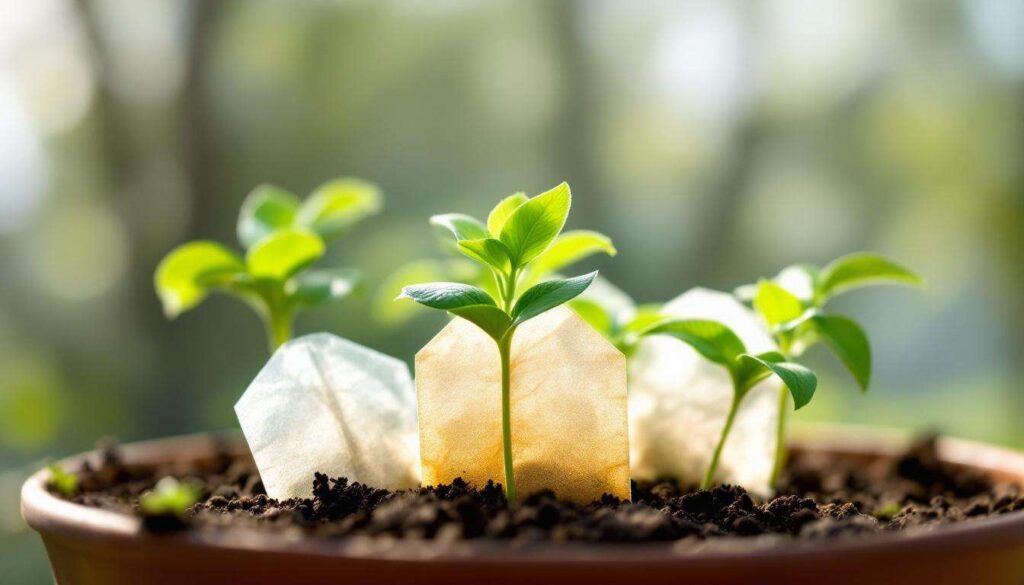
Gardeners are always searching for simple, cost-effective ways to improve plant health, and one surprisingly effective method involves a common household item. Used tea bags, often destined for the trash, can actually provide substantial benefits to potted plants when applied correctly. This practice has gained popularity among both novice and experienced gardeners who appreciate its simplicity and the tangible results it delivers. The timing of this technique matters considerably, with early spring offering the most advantageous conditions for implementation. Understanding why this method works and how seasonal factors influence its effectiveness can help you maximize the health and vitality of your container plants.
Introduction to the tea bag trick for your potted plants
What the tea bag trick involves
The tea bag trick is a straightforward gardening technique that repurposes used tea bags as a soil amendment for potted plants. After brewing your morning cup, instead of discarding the tea bag, you can place it directly into the soil of your container plants. Some gardeners prefer to open the bags and sprinkle the leaves, while others bury the entire bag just beneath the soil surface. The organic matter within the tea bag gradually breaks down, releasing beneficial nutrients and improving soil structure over time.
The science behind tea as plant food
Tea leaves contain several elements that plants require for healthy growth. The primary nutrients found in tea include:
- Nitrogen, which promotes leafy green growth
- Potassium, essential for overall plant health and disease resistance
- Phosphorus, supporting root development and flowering
- Trace minerals like magnesium and calcium
Additionally, the tannic acid present in tea can help adjust soil pH levels, making it slightly more acidic. This characteristic proves particularly beneficial for acid-loving plants such as ferns, azaleas, and certain herbs. The paper bag itself, typically made from biodegradable materials, adds carbon-rich organic matter that improves soil texture and water retention.
Understanding these foundational aspects of the tea bag method sets the stage for exploring why timing this practice with the seasons yields the best results.
Why spring is the ideal season
Plant growth cycles and nutrient needs
Spring represents a period of vigorous growth for most plants as they emerge from winter dormancy. During this time, plants actively produce new foliage, develop root systems, and prepare for the growing season ahead. Their nutrient requirements increase dramatically, making this the perfect moment to supplement soil with organic amendments like tea bags. The nitrogen boost from decomposing tea leaves supports the rapid production of chlorophyll and new tissue growth that characterizes spring development.
Optimal soil conditions in early spring
Early spring soil conditions create the ideal environment for tea bag decomposition. The combination of factors includes:
- Increased soil temperature that activates beneficial microorganisms
- Higher moisture levels from spring rains and melting snow
- Active microbial populations that break down organic matter efficiently
- Improved oxygen circulation as soil thaws and becomes workable
These conditions ensure that the organic materials in tea bags break down at an optimal rate, releasing nutrients when plants need them most. The warming soil also encourages earthworms and other beneficial organisms that further process the tea leaves and distribute nutrients throughout the container.
Timing advantages over other seasons
| Season | Decomposition Rate | Plant Uptake | Effectiveness |
|---|---|---|---|
| Early Spring | Moderate to High | High | Excellent |
| Summer | Very High | Moderate | Good |
| Fall | Moderate | Low | Fair |
| Winter | Low | Minimal | Poor |
While tea bags can be added any time, early spring application synchronizes nutrient release with peak plant demand, maximizing the benefit of this simple technique.
Beyond the seasonal advantages, the specific properties of tea bags offer multiple benefits that improve overall soil quality.
The benefits of tea bags for the soil
Enhanced water retention capabilities
One of the most valuable contributions tea bags make to potted plants is improved moisture management. The organic matter from decomposed tea leaves acts like a sponge, absorbing water during irrigation and releasing it gradually to plant roots. This characteristic proves especially beneficial for container plants, which tend to dry out more quickly than in-ground gardens. The increased water retention reduces watering frequency and helps plants withstand brief periods of drought or irregular watering schedules.
Soil structure improvement
Tea bags contribute to better soil texture and aeration. As the tea leaves and paper bag break down, they create small pockets and channels within the soil that:
- Allow roots to penetrate more easily
- Facilitate oxygen exchange necessary for root respiration
- Prevent soil compaction in containers
- Support beneficial microbial communities
This improved structure creates a healthier root environment, which translates directly to more vigorous above-ground growth and better overall plant performance.
Natural pest deterrent properties
The caffeine and aromatic compounds remaining in used tea bags can provide a mild deterrent effect against certain garden pests. While not a comprehensive pest control solution, these substances may discourage fungus gnats, slugs, and some other common container plant pests. The slightly acidic nature of tea can also inhibit certain soil-borne pathogens, contributing to a healthier growing environment.
With these benefits clearly established, the practical application of this technique requires specific methods to ensure success.
How to incorporate the tea bag into your gardening routine
Preparation methods for tea bags
Before adding tea bags to your potted plants, consider these preparation options. You can use the bags whole, burying them one to two inches below the soil surface near the plant’s root zone. Alternatively, open the bags and scatter the damp tea leaves directly onto the soil, then gently work them into the top layer. For faster decomposition, some gardeners cut the bags open and mix the contents with compost before application. Remove any staples or synthetic materials from the bags, as these won’t decompose and can harm plants or soil organisms.
Application frequency and quantity
The appropriate amount depends on container size and plant type:
| Container Size | Tea Bags per Month | Application Method |
|---|---|---|
| Small (4-6 inches) | 1-2 | Surface scatter |
| Medium (8-12 inches) | 2-4 | Buried or mixed |
| Large (14+ inches) | 4-6 | Multiple burial points |
Start conservatively and observe plant response. Excessive application can lead to nitrogen imbalances or excessive acidity, particularly in smaller containers with limited soil volume.
Best practices for different plant types
Certain plants respond particularly well to tea bag amendments. Acid-loving species such as roses, tomatoes, ferns, and blueberries thrive with regular tea bag additions. Herbs like mint, basil, and cilantro also benefit from the gentle nutrient boost. Exercise caution with plants preferring alkaline conditions, as tea’s acidifying effect may not suit their needs. Always monitor plant health and adjust your approach based on individual responses.
To maximize the effectiveness of this technique, several additional strategies can enhance results.
Tips to optimize tea bag use
Combining tea bags with other amendments
Tea bags work exceptionally well when integrated into a broader soil improvement strategy. Consider layering tea bags with other organic materials such as:
- Crushed eggshells for calcium supplementation
- Coffee grounds for additional nitrogen
- Banana peels for potassium enrichment
- Compost for balanced nutrition and microbial diversity
This multi-amendment approach creates a more complete nutritional profile and addresses various soil needs simultaneously.
Monitoring soil pH levels
Since tea bags gradually acidify soil, periodic pH testing helps prevent excessive acidity. Simple soil test kits available at garden centers provide quick readings. If pH drops too low for your plants, incorporate small amounts of lime or wood ash to neutralize excess acidity. Maintaining appropriate pH levels ensures nutrients remain available to plants and prevents nutrient lockout conditions.
Choosing the right tea types
Not all teas offer equal benefits for plants. Unflavored black and green teas work best, as they contain beneficial nutrients without artificial additives. Avoid teas with oils, synthetic fragrances, or sweeteners, which may introduce unwanted substances to your soil. Herbal teas can be used but generally provide fewer nutrients than traditional tea varieties. Organic tea bags eliminate concerns about pesticide residues entering your garden soil.
Despite the simplicity of this method, gardeners often have questions about its application and effectiveness.
Answers to common questions about tea bags and plants
Can tea bags harm plants ?
When used appropriately, tea bags pose minimal risk to plants. However, excessive application can create problems. Overuse may lead to nitrogen excess, causing rapid, weak growth susceptible to pests and diseases. The acidifying effect, while beneficial for many plants, can harm species preferring neutral or alkaline conditions. Always ensure tea bags are free from staples, strings with synthetic fibers, or bleached materials that could introduce toxins or non-biodegradable elements into your soil.
How long does decomposition take ?
The breakdown timeline varies based on environmental conditions. In warm, moist spring soil with active microbial populations, tea bags typically decompose within four to six weeks. The paper bag itself breaks down faster than the tea leaves. Cooler temperatures or drier conditions extend this timeframe. Chopping or tearing the bags accelerates decomposition by increasing surface area exposed to soil organisms.
Are there alternatives to traditional tea bags ?
Loose tea leaves offer the same benefits without the bag material. Simply sprinkle used leaves onto soil or steep them in water to create a liquid fertilizer. Compost tea, made by steeping finished compost in water, provides similar advantages with broader nutritional content. Coffee grounds serve as another readily available alternative with comparable nitrogen content and soil-conditioning properties.
The tea bag trick represents an accessible, environmentally friendly approach to enhancing potted plant health. By applying used tea bags during early spring, gardeners capitalize on optimal growing conditions and nutrient demand. The technique improves soil structure, provides essential nutrients, and supports beneficial microbial activity. Whether you grow flowering plants, vegetables, or herbs in containers, this simple practice offers tangible benefits with minimal effort or expense. Start incorporating tea bags into your spring gardening routine and observe the positive changes in plant vigor and soil quality throughout the growing season.