


Houseplants have become essential companions in modern living spaces, offering both aesthetic appeal and functional benefits. Among the countless varieties available at garden centers and nurseries, one humble plant continues to stand out for its remarkable ability to improve indoor air quality while remaining accessible to virtually any budget. The spider plant, scientifically known as Chlorophytum comosum, has earned its reputation as a reliable air purifier through decades of research and real-world application. With its distinctive arching leaves and minimal care requirements, this unassuming houseplant delivers exceptional value that far exceeds its modest price tag.
Introducing the spider plant: a decorative choice
Visual characteristics and varieties
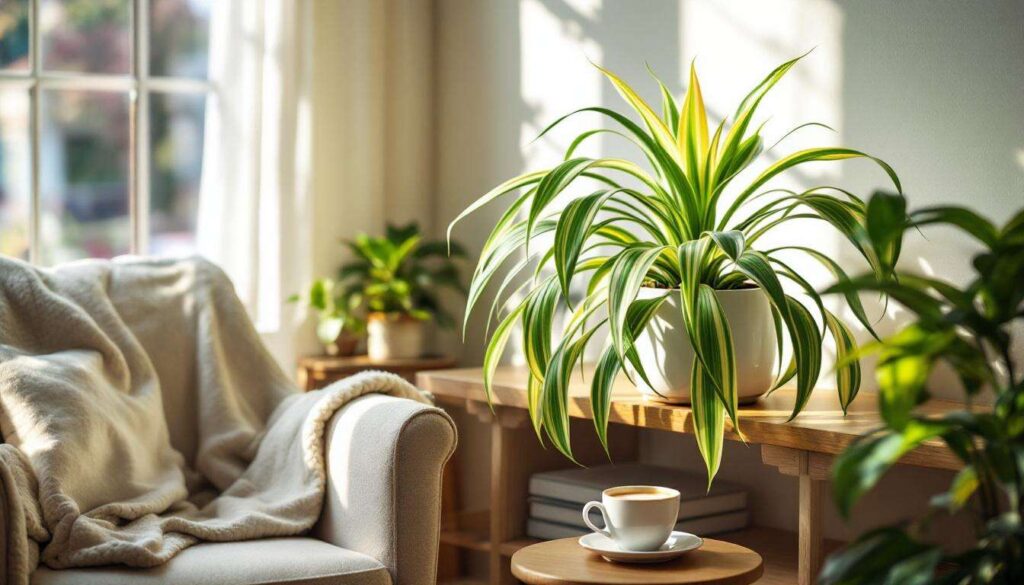
The spider plant presents a striking appearance that complements virtually any interior design scheme. Its long, slender leaves cascade gracefully from a central crown, creating an elegant fountain-like effect that adds dimension to any space. The most common variety features green and white striped foliage, though solid green cultivars also exist for those preferring a more subtle look. As the plant matures, it produces delicate white flowers on long stems, followed by miniature plantlets that dangle like spiders on a web, inspiring the plant’s common name.
Versatility in home decor
This adaptable plant fits seamlessly into various decorating styles and locations throughout your home:
- Hanging baskets that showcase the plant’s natural cascading growth pattern
- Tabletop containers for desks, shelves, and countertops
- Pedestal displays that elevate the plant as a focal point
- Bathroom environments where humidity levels support healthy growth
- Office spaces requiring low-maintenance greenery
The spider plant’s forgiving nature and attractive appearance make it an ideal choice for both novice plant enthusiasts and experienced collectors. Its ability to thrive in different lighting conditions allows for flexible placement options that serve both functional and decorative purposes. Beyond its visual appeal, this plant offers substantial benefits for indoor air quality that justify its continued popularity.
The air quality benefits of the spider plant
NASA research findings
The spider plant gained scientific credibility through NASA’s Clean Air Study, which examined various houseplants for their ability to remove common indoor pollutants. Researchers discovered that spider plants effectively filter harmful substances from the air, making them valuable allies in creating healthier indoor environments. The study demonstrated that these plants can remove up to 90% of formaldehyde from sealed chambers within 24 hours, establishing their credentials as serious air purification tools.
Pollutants removed by spider plants
Spider plants actively combat several toxic compounds commonly found in residential and commercial spaces. The following table illustrates the primary pollutants this plant addresses:
| Pollutant | Common Sources | Health Effects |
|---|---|---|
| Formaldehyde | Furniture, flooring, cleaning products | Respiratory irritation, headaches |
| Xylene | Paints, varnishes, adhesives | Dizziness, confusion, liver damage |
| Carbon monoxide | Gas appliances, vehicle exhaust | Fatigue, impaired cognitive function |
Practical air purification capacity
While spider plants cannot replace mechanical air filtration systems, they provide meaningful supplemental purification when used appropriately. Research suggests that placing one spider plant per 100 square feet of living space creates noticeable improvements in air quality. The plants work continuously, absorbing pollutants through their leaves and breaking down harmful compounds through natural biological processes. These purification benefits continue throughout the plant’s lifespan, making it a long-term investment in household health. The question of maintaining these benefits leads naturally to considerations about plant care requirements.
Easy care: a plant for everyone
Watering requirements
Spider plants demonstrate remarkable tolerance for inconsistent watering schedules, making them perfect for busy households. These plants prefer moderate moisture levels without waterlogged soil, thriving when the top inch of soil dries between waterings. During active growth periods in spring and summer, weekly watering typically suffices, while winter months may require less frequent attention. The plant’s thick, fleshy roots store water efficiently, allowing it to survive occasional neglect without significant damage.
Light and temperature preferences
Adaptability defines the spider plant’s relationship with light conditions. While bright, indirect light produces the most vigorous growth and vibrant variegation, these plants tolerate:
- Low light conditions in interior rooms without direct window access
- Fluorescent office lighting with minimal natural illumination
- Partial shade on covered porches or balconies
- Moderate direct sunlight during morning or evening hours
Temperature-wise, spider plants flourish in typical household ranges between 65 and 75 degrees Fahrenheit, though they withstand temporary fluctuations without distress.
Maintenance and propagation
Beyond basic watering, spider plants require minimal intervention. Occasional trimming of brown leaf tips maintains appearance, while monthly feeding during growing seasons supports healthy development. Perhaps most remarkably, these plants propagate effortlessly through the plantlets they naturally produce, allowing owners to expand their collection or share with friends at no additional cost. Simply placing a plantlet in water or soil initiates root development within weeks. This ease of care makes the spider plant accessible to everyone, regardless of gardening experience. The minimal investment required extends beyond care effort to financial considerations as well.
Affordability and cost: the spider plant on a budget
Initial purchase price
Spider plants represent one of the most economical entries into houseplant ownership and air purification. Small starter plants typically cost between $3 and $7 at garden centers, big-box retailers, and nurseries. Larger, more established specimens rarely exceed $15, even in decorative containers. This accessible price point allows households to purchase multiple plants for comprehensive air purification coverage without significant financial commitment.
Long-term cost analysis
The true value of spider plants emerges when considering ongoing expenses. Unlike mechanical air purifiers requiring filter replacements and electricity consumption, spider plants demand minimal investment:
| Expense Category | Annual Cost |
|---|---|
| Fertilizer | $5-10 |
| Potting soil (occasional repotting) | $3-8 |
| Water | Negligible |
| Total | $8-18 |
Compared to HEPA air purifiers costing hundreds of dollars initially plus ongoing filter expenses, spider plants deliver remarkable value. Their ability to propagate freely means the initial investment potentially yields dozens of additional plants over time, further enhancing cost-effectiveness. This combination of low acquisition cost and minimal maintenance expenses makes spider plants financially accessible to renters, homeowners, students, and anyone seeking improved air quality on a limited budget. Understanding how to maximize these benefits through strategic placement enhances their effectiveness throughout your living space.
How to incorporate the spider plant in your home
Strategic placement for maximum benefit
Positioning spider plants thoughtfully throughout your home optimizes both their air purification capabilities and decorative impact. Focus on areas where you spend significant time or where pollutant concentrations tend to be highest. Bedrooms benefit from spider plants’ continuous oxygen production during nighttime hours, while living rooms and home offices gain from reduced formaldehyde levels emitted by furniture and electronics.
Room-specific recommendations
Different spaces present unique opportunities for spider plant integration:
- Kitchen: Place plants near windows to filter cooking-related pollutants while receiving adequate light
- Bathroom: Utilize humidity from showers to support healthy growth while purifying air in enclosed spaces
- Home office: Position plants on desks or shelves to reduce VOCs from electronics and office supplies
- Nursery: Create safer air quality for children without introducing toxic plants or mechanical devices
- Entryway: Filter outdoor pollutants entering through frequently opened doors
Container and display options
The spider plant’s versatility extends to container choices and display methods. Traditional ceramic pots with drainage holes provide classic appeal, while modern hanging planters showcase the plant’s cascading growth habit. Self-watering containers reduce maintenance demands for particularly busy households, and decorative baskets add textural interest to bohemian or natural design schemes. Grouping multiple spider plants at varying heights creates visual interest while amplifying air purification benefits. With these placement strategies established, examining how spider plants compare to alternative purifying plants provides valuable context for informed decision-making.
Comparison with other purifying plants
Performance against popular alternatives
While numerous houseplants offer air purification properties, spider plants hold distinct advantages over many competitors. Peace lilies and snake plants also appear frequently on air-purifying plant lists, yet each presents different characteristics. Peace lilies require more consistent moisture and produce flowers that some find allergenic, while snake plants, though equally low-maintenance, grow more slowly and produce fewer offspring for propagation.
Comparative analysis
| Plant Species | Care Difficulty | Toxicity to Pets | Propagation Ease | Average Cost |
|---|---|---|---|---|
| Spider Plant | Very Easy | Non-toxic | Very Easy | $3-7 |
| Peace Lily | Moderate | Toxic | Moderate | $10-20 |
| Snake Plant | Very Easy | Toxic | Moderate | $8-15 |
| Pothos | Easy | Toxic | Easy | $5-12 |
Unique advantages of spider plants
The spider plant’s non-toxic nature provides critical advantages for households with curious pets or young children. Many effective air-purifying plants contain compounds harmful if ingested, limiting their placement options and creating safety concerns. Spider plants eliminate these worries while delivering comparable purification performance. Additionally, their rapid growth rate and prolific plantlet production mean a single purchase can evolve into an entire collection, distributing air quality benefits throughout your home without repeated investments.
The combination of safety, affordability, effectiveness, and ease of care positions spider plants as superior choices for most households seeking natural air purification solutions. While other plants may excel in specific categories, few match the spider plant’s overall balance of desirable characteristics.
The spider plant’s enduring popularity stems from its rare combination of practical benefits and accessibility. Its proven air purification capabilities, supported by scientific research, deliver measurable improvements in indoor air quality while requiring minimal financial investment or horticultural expertise. The plant’s forgiving nature accommodates varying light conditions and irregular care schedules, making it suitable for diverse living situations and experience levels. When compared to both mechanical air purifiers and alternative houseplants, the spider plant consistently offers exceptional value through its low cost, safety profile, and ease of propagation. For anyone seeking to enhance their indoor environment naturally and affordably, this humble houseplant remains an outstanding choice that continues to prove its worth decades after first gaining recognition.