

Home gardeners seeking natural solutions to protect their vegetable crops face constant challenges from slugs and aphids. These common pests can devastate tomato and cucumber plants, threatening months of careful cultivation. Fortunately, combining traditional methods like Bordeaux mixture with strategic companion planting offers effective protection without relying on synthetic chemicals. This integrated approach not only safeguards your harvest but also promotes a healthier garden ecosystem that sustains itself season after season.
Introduction to the cultivation of tomato and cucumber
Understanding the growing requirements
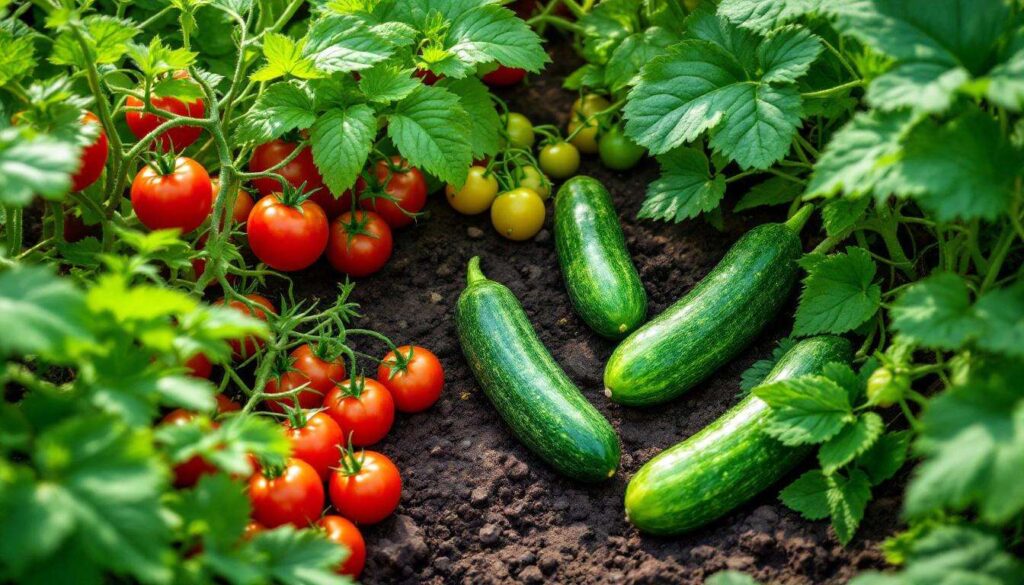
Tomatoes and cucumbers rank among the most popular vegetables in home gardens, yet they demand specific conditions to thrive. Both crops require warm temperatures, consistent moisture, and nutrient-rich soil to produce abundant harvests. Tomatoes prefer full sun exposure with at least six to eight hours of direct sunlight daily, while cucumbers tolerate slightly less intense conditions but still need ample warmth to develop properly.
The soil composition plays a critical role in successful cultivation. Both plants benefit from:
- Well-draining soil with pH levels between 6.0 and 6.8
- Organic matter incorporation to improve structure and fertility
- Consistent moisture without waterlogging
- Regular feeding throughout the growing season
Common pest challenges
Despite careful preparation, slugs and aphids frequently target these crops. Slugs create irregular holes in leaves and fruits, particularly affecting young cucumber plants near ground level. Aphids colonize new growth on tomatoes, sucking sap and transmitting viral diseases that can reduce yields significantly. These pests multiply rapidly under favorable conditions, making early intervention essential for protecting your harvest.
Understanding these fundamental growing requirements and pest pressures sets the foundation for implementing effective natural control strategies that work with nature rather than against it.
Biological control: the role of companion planting
How companion planting disrupts pest behavior
Companion planting leverages the natural relationships between plants to create a protective environment. Certain plants emit chemical compounds through their roots, leaves, or flowers that either repel harmful insects or attract beneficial predators. This biological control method has been practiced for centuries, with modern research validating many traditional combinations.
The mechanism works through several pathways. Some companion plants release volatile organic compounds that mask the scent of target crops, making them harder for pests to locate. Others produce substances that directly deter feeding or egg-laying behaviors. Additionally, flowering companions attract parasitic wasps, ladybugs, and other beneficial insects that prey on aphids and other soft-bodied pests.
Scientific basis for companion planting effectiveness
Research demonstrates that intercropping systems reduce pest populations more effectively than monocultures. A study comparing companion-planted tomatoes with isolated plantings showed a reduction in aphid colonies by up to 65 percent when appropriate companions were present. The diversity created by mixed plantings confuses pests accustomed to locating host plants in uniform rows.
| Pest Type | Reduction with Companions | Primary Mechanism |
|---|---|---|
| Aphids | 50-70% | Predator attraction |
| Slugs | 40-55% | Physical barriers and repellents |
| Whiteflies | 45-60% | Scent masking |
This evidence-based approach to pest management complements other protective measures, including traditional fungicides that address different aspects of plant health.
Using Bordeaux mixture to protect your crops
Composition and historical use
Bordeaux mixture represents one of the oldest fungicides still in use, dating back to the 1880s in French vineyards. This simple combination of copper sulfate and hydrated lime creates an alkaline suspension that prevents fungal spores from germinating on plant surfaces. For tomatoes and cucumbers, it primarily protects against late blight, downy mildew, and early blight.
The mixture’s effectiveness stems from copper ions that disrupt fungal cell membranes. When applied to foliage, it forms a protective barrier that remains active for seven to ten days under dry conditions. Rain or overhead irrigation reduces its persistence, requiring reapplication after significant moisture events.
Application guidelines for vegetable crops
Proper application of Bordeaux mixture requires attention to timing and concentration. For tomatoes and cucumbers, a 1 percent solution provides adequate protection without causing phytotoxicity. The standard ratio combines:
- 100 grams of copper sulfate
- 100 grams of hydrated lime
- 10 liters of water
Apply the mixture during cool morning hours or late afternoon to prevent leaf burn. Begin applications when plants reach transplant size, repeating every ten to fourteen days throughout the growing season. Avoid spraying during flowering periods for cucumbers, as copper can interfere with pollination. Always wear protective equipment including gloves and eye protection when mixing and applying the solution.
While Bordeaux mixture addresses fungal diseases, combining it with companion planting creates a comprehensive defense system that targets multiple pest categories simultaneously.
Choosing the best companion plants to deter pests
Top companions for tomatoes
Selecting the right companion plants for tomatoes requires matching growth habits and pest-deterrent properties. Basil stands out as the premier tomato companion, repelling aphids and thrips while potentially improving fruit flavor. Its strong aromatic oils confuse pests seeking tomato plants. Marigolds, particularly French varieties, release compounds that suppress nematodes in soil and deter whiteflies above ground.
Additional effective companions include:
- Nasturtiums serving as trap crops for aphids
- Borage attracting pollinators and predatory insects
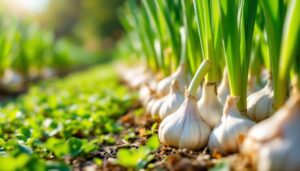
- Garlic and chives repelling aphids through sulfur compounds
- Carrots improving soil structure without competing for nutrients
Ideal partners for cucumber plants
Cucumbers benefit from companions that provide physical protection and pest deterrence. Radishes planted around cucumber hills repel cucumber beetles and provide quick-growing ground cover that discourages slug movement. Dill and fennel attract beneficial wasps that parasitize aphids, though these should be planted at garden edges rather than directly adjacent to cucumbers.
Sunflowers create natural trellises for vining cucumber varieties while their height provides afternoon shade in hot climates. Beans fix nitrogen in soil, enriching the growing environment for heavy-feeding cucumbers. Avoid planting cucumbers near aromatic herbs like sage or strong-scented flowers that might affect fruit flavor.
Plants to avoid near these crops
Understanding incompatible combinations proves equally important. Potatoes near tomatoes increase disease susceptibility for both crops, as they share common pathogens. Brassicas like cabbage and broccoli compete heavily for nutrients and attract pests that may spread to neighboring plants. Fennel should be isolated from most vegetables due to its allelopathic properties that inhibit growth in nearby plants.
With companion selections made, organizing these plants into a functional layout maximizes their protective benefits throughout the growing season.
Developing a planting plan for an ecological garden
Spatial arrangement strategies
Creating an effective planting plan requires consideration of plant spacing, growth patterns, and succession timing. Position tall companions like sunflowers on the north side of tomato rows to avoid shading. Interplant low-growing herbs such as basil directly at tomato bases, where they occupy unused space while providing continuous protection. For cucumbers, create circular plantings with radishes and marigolds forming protective rings around central hills.
The layout should facilitate air circulation to reduce humidity that favors fungal diseases. Maintain standard spacing recommendations for primary crops while filling gaps with companion plants. This approach maximizes garden productivity without creating overcrowded conditions that stress plants and increase pest pressure.
Seasonal planning and crop rotation
Implementing a rotation schedule prevents pest populations from establishing permanent residence. Move tomato and cucumber plantings to different garden sections each year, following them with crops from different families. This breaks pest life cycles and prevents soil depletion of specific nutrients.
A practical three-year rotation might include:
- Year one: tomatoes with basil and marigolds
- Year two: legumes to rebuild nitrogen
- Year three: leafy greens or root vegetables
Plan companion plantings to mature at different rates, ensuring continuous pest protection throughout the season. Quick-maturing radishes provide early-season slug deterrence, while long-season marigolds maintain protection until frost.
Maintenance and monitoring practices
Regular garden inspection allows early detection of pest problems before they escalate. Walk through plantings at least twice weekly, examining undersides of leaves where aphids congregate and checking ground level for slug damage. Remove affected plant parts promptly and adjust companion plantings if certain areas show persistent problems.
Document which companion combinations prove most effective in your specific conditions, as local climate and pest populations vary. This observational approach refines your strategy year after year, creating increasingly resilient garden ecosystems that naturally suppress pests while supporting abundant harvests.
These practical strategies deliver benefits that extend beyond simple pest control, contributing to broader environmental and economic advantages.
Ecological and economic benefits of integrated pest management
Environmental advantages
Natural pest control methods preserve beneficial insect populations that synthetic pesticides destroy indiscriminately. Ladybugs, lacewings, and parasitic wasps thrive in gardens using companion planting and Bordeaux mixture, as these approaches target specific pests or diseases without harming allies. This biodiversity creates self-regulating systems where predator-prey relationships maintain pest populations below damaging thresholds.
Reducing chemical inputs protects soil health and water quality. Synthetic pesticides persist in soil, accumulating over seasons and potentially leaching into groundwater. Companion planting and copper-based fungicides break down naturally, leaving minimal residues. The increased organic matter from diverse plantings improves soil structure, water retention, and microbial activity that supports plant health.
Cost comparison with conventional methods
The financial benefits of integrated pest management become apparent when comparing input costs over multiple seasons. While initial investment in companion plant seeds and Bordeaux mixture ingredients exists, these expenses remain minimal compared to repeated purchases of synthetic pesticides.
| Method | Annual Cost per 100 sq ft | Labor Hours |
|---|---|---|
| Synthetic pesticides | $45-65 | 8-10 |
| Integrated natural methods | $15-25 | 12-15 |
| Savings | $30-40 | -4 hours |
Although natural methods require slightly more labor for planting and monitoring, the reduced need for repeated applications and the elimination of protective equipment costs offset this investment. Additionally, companion plants like basil and nasturtiums provide edible harvests, adding value beyond pest control.
Long-term garden resilience
Gardens managed with integrated approaches develop increasing resistance to pest problems over time. Diverse plantings support complex food webs where multiple predator species check pest populations through different mechanisms. This redundancy provides stability that monocultures lack, ensuring that if one control method fails, others continue functioning.
The cumulative effect creates gardens requiring progressively less intervention as beneficial organisms establish permanent populations and soil health improves. This sustainability represents the ultimate goal of ecological gardening, where human management facilitates natural processes rather than attempting to control every variable through external inputs.
Protecting tomatoes and cucumbers from slugs and aphids through companion planting and Bordeaux mixture demonstrates that effective pest management need not rely on synthetic chemicals. Strategic plant combinations disrupt pest behavior while attracting beneficial predators, creating balanced ecosystems within vegetable gardens. Bordeaux mixture provides reliable fungal disease protection using simple, time-tested ingredients. Together, these methods deliver robust crop protection while supporting environmental health and reducing long-term costs. Home gardeners implementing these integrated strategies cultivate not just vegetables but resilient growing systems that improve with each passing season, yielding abundant harvests through harmony with natural processes rather than opposition to them.