



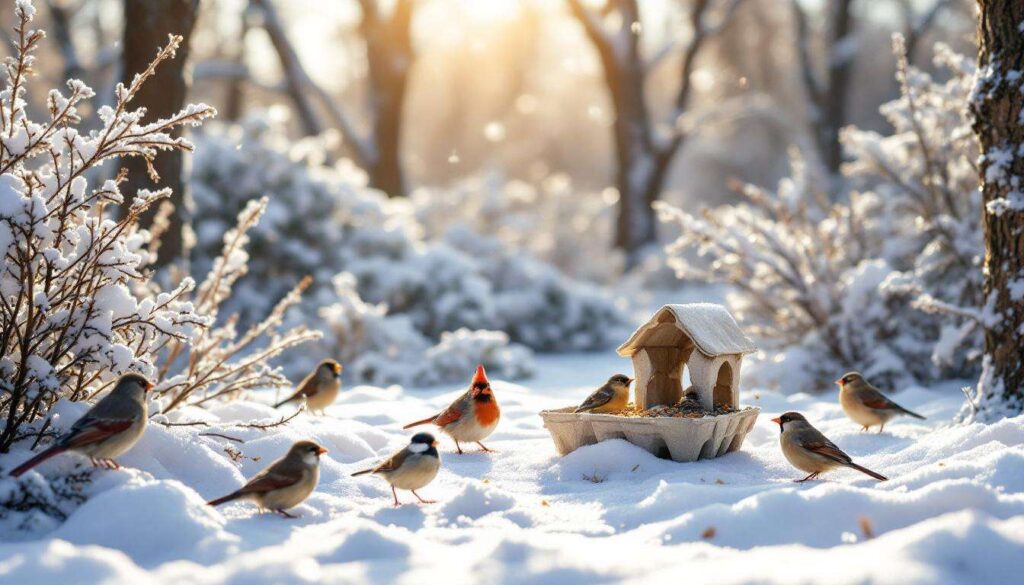
Winter transforms gardens into quiet landscapes where birdsong becomes a rare treasure. Yet with simple household items like egg cartons, backyard enthusiasts can create welcoming feeding stations that draw feathered visitors throughout the coldest months. This sustainable approach combines environmental responsibility with the joy of wildlife observation, turning discarded packaging into functional bird feeders that serve both nature and garden lovers.
Introduction to Using Egg Cartons to Attract Birds
The Growing Popularity of DIY Bird Feeders
Across suburban and rural communities, homeowners have discovered that recycled materials make excellent bird feeding stations. Egg cartons, in particular, offer a perfect combination of availability, cost-effectiveness, and functionality. These humble containers, typically destined for landfills, possess structural features that naturally accommodate bird feeding behaviors.
The individual compartments in egg cartons create separate feeding spaces that reduce competition among birds while preventing seed spillage. Their lightweight construction allows for easy hanging, and the biodegradable nature of cardboard versions means they eventually break down without harming the environment.
Why Winter Bird Feeding Matters
During winter months, natural food sources become scarce as insects hibernate and plants stop producing seeds. Birds face increased energy demands to maintain body temperature while foraging opportunities diminish. Supplemental feeding stations help bridge this nutritional gap, supporting local bird populations through their most challenging season.
- Provides reliable food sources when natural options are limited
- Helps birds conserve energy otherwise spent searching for food
- Supports species diversity in residential areas
- Offers educational opportunities for families to observe wildlife
Understanding these benefits establishes the foundation for exploring how repurposing egg cartons contributes to broader environmental goals.
The Environmental Benefits of Recycling Egg Cartons
Reducing Landfill Waste Through Creative Reuse
Americans purchase approximately seven billion dozen eggs annually, generating substantial packaging waste. While many municipalities accept egg cartons in recycling programs, the recycling process itself consumes energy and resources. Direct reuse as bird feeders extends the lifecycle of these materials without additional processing.
| Disposal Method | Environmental Impact | Resource Consumption |
|---|---|---|
| Landfill | High | Zero reuse value |
| Recycling | Medium | Energy and water required |
| Direct reuse | Low | Minimal additional resources |
Supporting Sustainable Gardening Practices
Transforming egg cartons into bird feeders aligns with permaculture principles that emphasize working with natural systems. This practice demonstrates how everyday choices can reduce environmental footprints while creating functional garden elements. The cardboard material eventually decomposes, returning organic matter to the soil without introducing plastics or synthetic materials into outdoor spaces.
Beyond waste reduction, this approach encourages a mindset shift toward viewing discarded items as resources rather than trash. Such perspectives foster creativity in sustainable living and demonstrate practical environmental stewardship to younger generations.
With environmental advantages established, the practical process of creating these feeders becomes the next logical focus.
How to Transform an Egg Carton into a Bird Feeder
Materials and Tools Required
Creating a functional bird feeder from an egg carton requires minimal supplies that most households already possess. The simplicity of this project makes it accessible for all skill levels, from children to adults with no crafting experience.
- One clean, dry egg carton (cardboard preferred over foam)
- Twine, string, or wire for hanging
- Scissors or a hole punch
- Birdseed appropriate for local species
- Optional: non-toxic waterproofing spray
Step-by-Step Construction Process
The transformation process takes approximately five to ten minutes and produces a ready-to-use feeding station. Begin by ensuring the egg carton is completely clean and dry, as moisture promotes mold growth that can harm birds.
First, create hanging points by punching holes in the four corners of the carton lid. Thread twine through these holes, knotting securely underneath to prevent tearing. The string lengths should be equal to ensure the feeder hangs level, preventing seed spillage.
Next, fill each egg compartment with appropriate birdseed, leaving slight space at the top to prevent overflow when birds perch. Different compartments can hold various seed types to attract diverse species. Finally, close the lid partially or remove it entirely depending on weather conditions and desired accessibility.
Weatherproofing Considerations
Cardboard feeders naturally deteriorate when exposed to moisture, but several techniques extend their functional lifespan. Applying a thin coat of vegetable oil to the exterior provides temporary water resistance without introducing harmful chemicals. Alternatively, position feeders under eaves or tree canopies where natural shelter reduces direct precipitation exposure.
Some crafters apply non-toxic sealants designed for outdoor use, though these treatments may reduce the feeder’s biodegradability. Balance durability needs against environmental considerations when selecting weatherproofing methods.
Once constructed, understanding which birds these feeders attract helps optimize placement and seed selection.
Types of Birds Attracted by Cardboard Feeders
Common Winter Visitors
Egg carton feeders appeal to ground-feeding and platform-feeding species that prefer stable surfaces over swinging perches. These birds typically forage on or near the ground in natural settings, making the flat, compartmentalized design particularly attractive.
| Bird Species | Preferred Seeds | Feeding Behavior |
|---|---|---|
| Sparrows | Millet, sunflower chips | Social, group feeding |
| Juncos | White proso millet | Ground foragers |
| Cardinals | Sunflower seeds | Platform preference |
| Chickadees | Black oil sunflower | Quick visits, grab-and-go |
Regional Variations in Bird Populations
Geographic location significantly influences which species visit backyard feeders. Northern regions host winter finches and pine siskins that migrate southward during cold months, while southern areas maintain year-round populations of titmice and Carolina wrens. Researching local bird species helps tailor seed selections to regional preferences.
Migratory patterns also affect feeder traffic, with peak activity occurring during spring and fall migrations when birds seek refueling stations. Winter residents, however, provide consistent entertainment throughout the season as they establish regular feeding routines.
Knowing your audience among feathered visitors leads naturally to strategic placement decisions that maximize both bird safety and human viewing pleasure.
Tips for Placing Your Feeders in the Garden in Winter
Optimal Location Selection
Strategic feeder placement balances bird safety with human observation opportunities. Position feeders within ten to twelve feet of natural cover such as shrubs or evergreen trees, allowing birds quick escape routes from predators while providing convenient viewing from windows.
- Avoid placing feeders directly against windows to prevent collision injuries
- Ensure clear sightlines so birds can detect approaching threats
- Position feeders away from high-traffic areas that might disturb feeding birds
- Consider sun exposure to prevent rapid snow accumulation on feeding surfaces
Height and Accessibility Considerations
Different bird species prefer varying feeding heights. Ground feeders like juncos and sparrows readily visit low-positioned feeders placed on stumps or elevated platforms one to three feet high. This height keeps seed above snow level while remaining accessible to species that avoid higher perches.
Accessibility for maintenance matters equally. Position feeders where you can easily reach them for refilling and cleaning without trampling garden beds or navigating icy conditions. Regular access encourages consistent upkeep, which directly impacts feeder hygiene and bird health.
Creating Feeding Stations
Rather than scattering individual feeders randomly, establish dedicated feeding zones that concentrate bird activity in specific areas. Group multiple egg carton feeders with other feeder types to accommodate diverse species preferences. Include water sources nearby, as birds require hydration even during winter when natural sources freeze.
Proper placement sets the stage for long-term success, which depends heavily on consistent maintenance practices.
Protecting and Maintaining Your Feeder for Durable Use
Regular Cleaning Protocols
Maintaining feeder hygiene prevents disease transmission among bird populations. Cardboard feeders require replacement rather than deep cleaning, making them ideal for seasonal use. Replace feeders every two to three weeks or sooner if they show signs of mold, excessive moisture damage, or significant soiling.
Between replacements, remove uneaten seed and debris to discourage mold growth. Brush out compartments gently with a dry cloth, avoiding water that would compromise the cardboard structure. This minimal maintenance approach suits the disposable nature of egg carton feeders.
Predator Deterrence Strategies
While attracting birds, feeders may also draw unwanted visitors including squirrels, raccoons, and cats. Several strategies minimize these conflicts without harming wildlife.
- Install baffles on hanging lines to prevent climbing access
- Use seed types less appealing to squirrels, such as safflower
- Bring feeders indoors overnight when nocturnal predators are active
- Position feeders away from jumping-off points like fences or branches
Seasonal Rotation and Storage
As winter transitions to spring, natural food sources become abundant and feeding stations require less frequent attention. Gradually reduce the number of active feeders, allowing birds to resume natural foraging behaviors. Store unused egg cartons in dry locations for future use, or compost deteriorated feeders to complete their lifecycle sustainably.
Document which locations and seed types attracted the most bird activity throughout winter. These observations inform placement and provisioning decisions for subsequent seasons, creating increasingly effective feeding programs over time.
Transforming egg cartons into bird feeders represents a simple yet impactful intersection of environmental stewardship and wildlife appreciation. This accessible project reduces waste, supports local ecosystems, and provides endless entertainment through close observation of avian visitors. By implementing thoughtful placement strategies and maintaining basic hygiene standards, anyone can create welcoming winter habitats that benefit both birds and the humans who cherish their presence in garden spaces throughout the coldest months.