



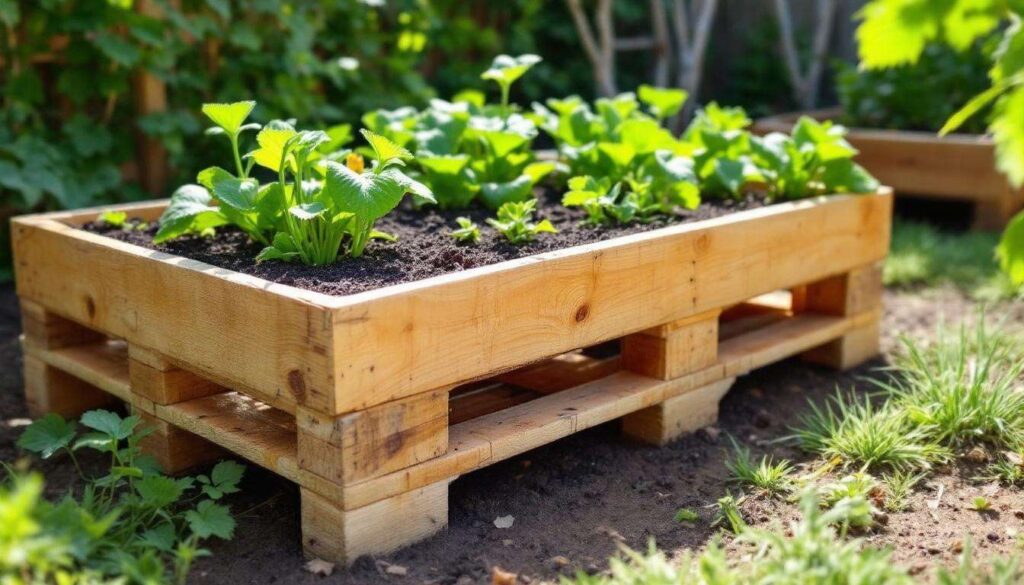
Transforming wooden pallets into functional garden beds offers an affordable and eco-friendly solution for home gardeners looking to maximize their growing space. These versatile structures provide excellent drainage, improved soil conditions, and easier access to plants while keeping costs minimal. With just a few basic tools and a weekend afternoon, anyone can create a durable raised bed that rivals expensive store-bought options.
Why choose a raised bed from pallets for your garden
Cost-effectiveness and accessibility
Building a raised bed from pallets represents one of the most budget-friendly gardening projects available to homeowners. Many businesses discard pallets regularly, making them available for free or at minimal cost. This accessibility allows gardeners to create multiple beds without straining their budget, with total expenses typically remaining well under $30 when factoring in screws, soil amendments, and basic materials.
Environmental benefits of repurposing
Choosing pallets for garden construction reduces waste by giving new life to materials that might otherwise end up in landfills. This sustainable approach aligns with organic gardening principles and demonstrates responsible resource management. The reclaimed wood aesthetic also adds character to outdoor spaces while supporting environmental conservation efforts.
Practical advantages for plant growth
Raised beds constructed from pallets offer several horticultural benefits that enhance plant performance:
- Improved drainage prevents waterlogged roots and fungal diseases
- Better soil warming in spring extends the growing season
- Reduced soil compaction promotes healthier root development
- Elevated height minimizes back strain during planting and harvesting
- Natural pest barriers deter slugs and ground-dwelling insects
Understanding these advantages helps explain why pallet beds have become increasingly popular among both novice and experienced gardeners. The next step involves gathering the necessary components to begin construction.
Materials needed to build a raised bed from pallets
Essential pallet selection criteria
Not all pallets suit garden construction equally. Look for pallets stamped with “HT” (heat-treated) rather than “MB” (methyl bromide), as the latter contains chemicals unsuitable for food production. Standard dimensions of 48×40 inches work well, though sizes may vary. Inspect pallets carefully for structural integrity, avoiding those with cracked boards, excessive weathering, or signs of chemical spills.
Tools and hardware required
A basic toolkit suffices for this project, keeping costs minimal while ensuring quality construction:
- Circular saw or handsaw for cutting
- Drill with screwdriver bits
- Hammer for adjustments
- Measuring tape and carpenter’s square
- Safety equipment including gloves and eye protection
- 3-inch exterior-grade screws (approximately 24 pieces)
- Sandpaper or orbital sander
Additional materials for completion
Beyond pallets and tools, several supplementary items enhance functionality and longevity. Landscape fabric prevents weed growth while allowing drainage, and corner brackets can reinforce joints if desired. Optional wood sealant extends lifespan, though many gardeners prefer leaving wood untreated for organic growing. These materials remain affordable and widely available at hardware stores.
With materials assembled, proper preparation ensures structural soundness and safety for the finished bed.
Steps to prepare pallets for construction
Cleaning and inspection process
Begin by thoroughly cleaning each pallet with a stiff brush and water to remove dirt, debris, and potential contaminants. Allow pallets to dry completely before proceeding. Inspect every board for protruding nails, splinters, or loose sections that could pose safety hazards or compromise structural integrity. Remove or hammer down any exposed nail heads.
Dismantling techniques for optimal boards
Carefully disassemble pallets to maximize usable lumber. Use a pry bar or reciprocating saw to separate boards without excessive splitting. The deck boards (top planks) typically provide the best material for bed sides, while stringers (support beams) can serve as corner posts or reinforcement. Work methodically to preserve as much wood as possible.
Sanding and safety considerations
Smooth all surfaces using medium-grit sandpaper, paying special attention to edges and corners where hands frequently contact the wood. This step prevents splinters and creates a more finished appearance. Focus particularly on areas where children or pets might interact with the structure. A quick sanding also helps wood sealant or paint adhere better if finishing is desired.
Proper preparation creates a solid foundation for the assembly phase, where individual components come together into a functional growing space.
Instructions for assembling your pallet bed
Basic rectangular design construction
The simplest approach uses two whole pallets as the base and sides. Position pallets on edge to create walls, then connect them at corners using 3-inch screws driven through pre-drilled holes. This configuration creates a bed approximately 40 inches wide and 48 inches long with built-in slat spacing for drainage. Ensure corners form right angles using a carpenter’s square before securing permanently.
Reinforcement and stability measures
Add corner posts cut from pallet stringers to strengthen joints and prevent bowing under soil weight. These vertical supports should extend several inches into the ground for anchoring. Attach cross-bracing along longer sides to prevent outward bulging when filled with soil. The following reinforcement schedule ensures durability:
| Bed Length | Recommended Supports | Screw Count |
|---|---|---|
| Under 4 feet | Corner posts only | 16-20 |
| 4-6 feet | Corners plus mid-span | 24-30 |
| Over 6 feet | Full bracing system | 32-40 |
Creating drainage and liner installation
The natural gaps between pallet slats provide excellent drainage, but adding landscape fabric to the interior prevents soil loss while allowing water passage. Staple fabric to inner walls, leaving the bottom open or perforated. This barrier also discourages weeds from growing up through the bed while maintaining healthy moisture levels.
With the structure complete, attention turns to creating the ideal growing environment within the new bed.
Tips for filling and planting your new bed effectively
Soil composition for optimal growth
Fill raised beds with a high-quality soil mixture rather than garden soil alone. A recommended blend combines equal parts compost, peat moss or coconut coir, and vermiculite or perlite. This mixture provides excellent drainage, nutrient retention, and aeration. For a standard pallet bed, expect to need approximately 10-12 cubic feet of soil mix.
Layering strategies for improved drainage
Consider implementing a layered filling approach for enhanced performance:
- Bottom layer: coarse materials like small branches or wood chips (3-4 inches)
- Middle layer: partially decomposed compost or leaf mold (2-3 inches)
- Top layer: premium soil mixture for planting (8-10 inches minimum)
This hugelkultur-inspired method improves drainage, increases soil volume over time as lower layers decompose, and reduces the total amount of purchased soil needed.
Initial planting recommendations
New beds benefit from starting with plants that establish quickly and improve soil structure. Legumes like beans and peas fix nitrogen, while deep-rooted vegetables break up soil. Avoid heavy feeders during the first season unless soil has been heavily amended with compost. Space plants according to package directions, remembering that intensive spacing works well in raised beds due to improved soil conditions.
Establishing proper care routines from the beginning extends the functional lifespan of pallet beds significantly.
Maintenance and longevity: how to keep your bed in good shape
Seasonal inspection and repair
Examine bed structure each spring and fall for signs of deterioration. Check for loose screws, rotting boards, or shifting corners that could compromise stability. Tighten hardware as needed and replace damaged boards promptly to prevent further degradation. These routine inspections take only minutes but prevent costly repairs later.
Wood preservation techniques
Untreated pallet wood typically lasts 3-5 years in garden conditions, but simple preservation extends this considerably. Apply food-safe wood sealant or linseed oil annually to exposed surfaces, avoiding direct contact with soil. Alternatively, line bed interiors with heavy-duty plastic sheeting, though this reduces breathability. Many gardeners accept natural weathering as part of the aesthetic while planning for eventual replacement.
Soil health and amendment schedule
Maintain productive soil conditions by adding 1-2 inches of compost each season and rotating crop families annually. Test pH levels yearly and adjust with lime or sulfur as needed. Top-dress with organic fertilizers during the growing season according to plant requirements. Healthy soil supports vigorous plant growth while reducing pest and disease pressure naturally.
Building a raised bed from pallets combines practicality with sustainability, offering gardeners an affordable entry point into elevated growing systems. The straightforward construction process requires minimal tools and experience while delivering professional results. By selecting appropriate materials, following systematic assembly steps, and implementing proper maintenance routines, these beds provide years of productive service. The modest investment of time and resources yields substantial returns through improved growing conditions, better accessibility, and the satisfaction of creating functional garden infrastructure from reclaimed materials. Whether starting a first vegetable garden or expanding existing growing space, pallet raised beds represent a smart choice for budget-conscious gardeners committed to sustainable practices.