

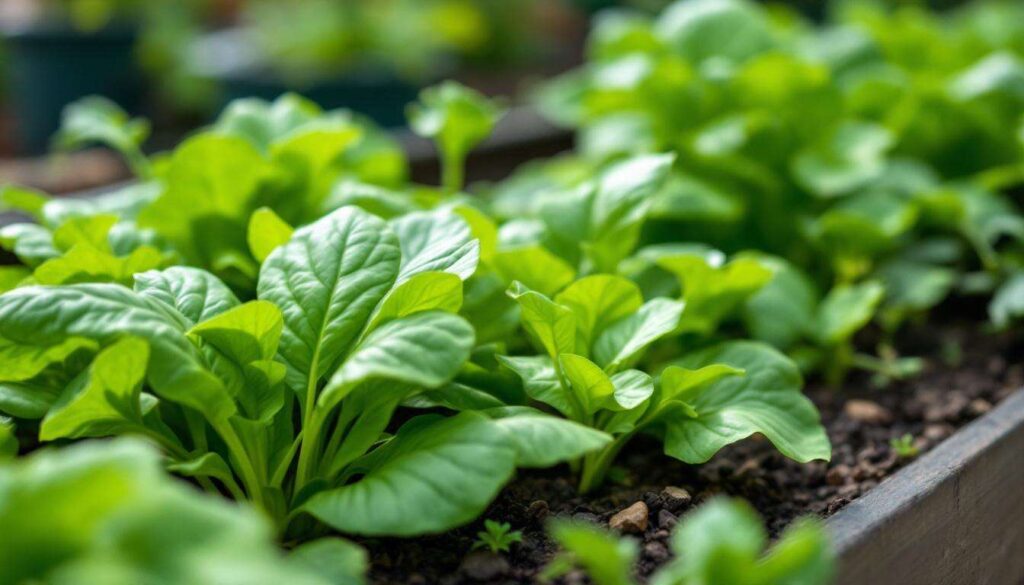
Growing fresh, nutrient-dense greens in your own backyard has never been more accessible. Raised bed gardening offers an efficient, manageable approach to cultivating vegetables, particularly for those working with limited space or challenging soil conditions. This method elevates plants above ground level, providing superior drainage, improved soil quality, and easier access for planting and harvesting. When combined with composted potting soil, raised beds create an ideal environment for leafy greens like spinach, lettuce, and arugula to flourish during the spring growing season.
Introduction to raised bed gardening
What defines a raised bed garden
A raised bed garden consists of a contained planting area constructed above ground level, typically framed with wood, stone, metal, or composite materials. These structures range from six inches to three feet in height and can be customized to fit any available space. The contained nature of raised beds allows gardeners to control soil composition entirely, creating optimal growing conditions regardless of the native ground beneath.
Key advantages for home gardeners
Raised beds offer numerous practical benefits that make them particularly attractive for growing vegetables:
- Enhanced drainage prevents waterlogging and root rot
- Warmer soil temperatures in spring accelerate germination
- Reduced soil compaction promotes healthy root development
- Easier accessibility for planting, weeding, and harvesting
- Better pest control with physical barriers
- Extended growing seasons due to improved soil conditions
The controlled environment of raised beds makes them especially suitable for cool-season crops that thrive in spring conditions. Understanding soil composition becomes crucial to maximizing these advantages.
The benefits of composted potting soil
Nutritional composition and structure
Composted potting soil provides a nutrient-rich foundation that supports vigorous plant growth. Unlike garden soil, which may contain clay, sand, or silt in varying proportions, composted potting mixes are specifically formulated to deliver optimal texture and fertility. The organic matter from compost improves soil structure, creating air pockets that facilitate root penetration while retaining adequate moisture.
| Component | Function | Percentage |
|---|---|---|
| Compost | Nutrients and microbial activity | 30-40% |
| Peat moss or coconut coir | Moisture retention | 30-40% |
| Perlite or vermiculite | Drainage and aeration | 20-30% |
Microbial activity and plant health
The living ecosystem within composted soil distinguishes it from sterile growing media. Beneficial bacteria and fungi break down organic matter, releasing nutrients in forms plants can readily absorb. This biological activity also helps suppress soil-borne diseases and promotes robust root systems. For leafy greens that require consistent nitrogen availability, composted potting soil delivers a steady supply throughout the growing season.
With the foundation of quality soil established, attention turns to selecting and planting appropriate crops.
Planting leafy greens: spinach, lettuce, and arugula
Timing and temperature considerations
Spring presents the ideal window for planting cool-season greens in raised beds. These crops germinate best when soil temperatures reach 40 to 65 degrees Fahrenheit. Spinach tolerates the coolest conditions, while lettuce and arugula prefer slightly warmer soil. Planting can begin as soon as the ground can be worked, typically four to six weeks before the last expected frost date.
Spacing and depth requirements
Proper spacing ensures adequate air circulation and prevents overcrowding:
- Spinach: sow seeds half an inch deep, spacing plants two to four inches apart in rows six inches apart
- Lettuce: plant seeds quarter inch deep, thinning seedlings to six to eight inches apart depending on variety
- Arugula: scatter seeds lightly, covering with quarter inch of soil, thinning to three to four inches between plants
Succession planting strategies
To ensure a continuous harvest throughout spring, plant small batches every two weeks. This staggered approach prevents an overwhelming abundance at once while extending the productive period. As temperatures rise in late spring, these cool-season crops will bolt, making succession planting essential for maintaining supply.
Once plants are established, consistent care practices determine harvest success.
Watering and maintenance techniques in spring
Moisture management principles
Leafy greens require consistent moisture to develop tender, flavorful leaves. The composted potting soil in raised beds retains water effectively but also drains excess moisture, reducing the risk of fungal diseases. During active growth, plants need approximately one inch of water per week, adjusted based on rainfall and temperature.
Irrigation methods and scheduling
Several watering approaches work well for raised bed greens:
- Drip irrigation delivers water directly to root zones with minimal waste
- Soaker hoses provide even moisture distribution along planting rows
- Hand watering allows for targeted application and visual inspection
- Mulching with straw or shredded leaves conserves moisture and moderates soil temperature
Water in the morning to allow foliage to dry before evening, reducing disease pressure. Check soil moisture by inserting a finger two inches deep; if dry at that depth, watering is needed.
Fertilization and nutrient supplementation
While composted potting soil provides substantial nutrition, supplemental feeding may benefit heavy feeders like spinach. Apply a balanced organic fertilizer or compost tea every three to four weeks to maintain vigorous growth. Avoid excessive nitrogen, which can cause rapid, weak growth susceptible to pests and disease.
Even with optimal growing conditions, vigilance against potential threats remains essential.
Pest monitoring and prevention
Common pests affecting leafy greens
Several insects target spring greens in raised beds:
- Aphids: small, soft-bodied insects that cluster on new growth
- Flea beetles: tiny jumping beetles that create small holes in leaves
- Slugs and snails: mollusks that feed at night, leaving irregular holes and slime trails
- Cutworms: caterpillars that sever seedlings at soil level
Integrated pest management strategies
A preventive approach minimizes pest damage without relying on chemical interventions. Inspect plants regularly, examining both upper and lower leaf surfaces. Remove any pests found by hand when populations are small. Floating row covers create a physical barrier that excludes insects while allowing light and water penetration.
Organic control options
When intervention becomes necessary, organic methods effectively manage pest populations:
| Pest | Control Method | Application |
|---|---|---|
| Aphids | Insecticidal soap | Spray directly on insects |
| Flea beetles | Diatomaceous earth | Dust on foliage when dry |
| Slugs | Beer traps | Place containers at soil level |
| Cutworms | Cardboard collars | Encircle seedling stems |
Encouraging beneficial insects like ladybugs and lacewings provides natural pest control. Planting companion flowers such as alyssum or marigolds attracts these predators to the garden.
With plants protected and thriving, attention shifts to reaping the rewards of careful cultivation.
Harvesting and using garden vegetables
Optimal harvest timing
Knowing when to harvest maximizes both flavor and nutrition. Spinach leaves are ready when they reach desired size, typically four to six weeks after planting. Harvest outer leaves first, allowing the center to continue producing. Lettuce can be picked as baby greens or allowed to mature; harvest in the morning when leaves are crisp. Arugula develops its characteristic peppery flavor as it matures, ready to pick three to four weeks after germination.
Harvesting techniques that promote continued production
The cut-and-come-again method extends the productive life of leafy greens. Using clean, sharp scissors or a knife, cut leaves one inch above the soil line. This technique allows plants to regenerate, providing multiple harvests from a single planting. Avoid pulling entire plants unless thinning is necessary.
Storage and culinary applications
Freshly harvested greens should be used promptly for best quality. To store, rinse leaves gently, pat dry, and refrigerate in a sealed container lined with paper towels. Properly stored greens remain fresh for five to seven days.
These versatile vegetables enhance numerous dishes:
- Fresh salads combining all three greens for varied texture and flavor
- Sautéed spinach as a nutrient-dense side dish
- Arugula pesto offering a peppery alternative to basil
- Lettuce wraps for low-carb meal options
- Smoothies incorporating raw spinach for added nutrition
Raised bed gardening with composted potting soil creates an accessible pathway to growing fresh, flavorful greens throughout spring. The controlled environment of raised beds, combined with nutrient-rich soil, provides optimal conditions for spinach, lettuce, and arugula to thrive. Consistent watering, vigilant pest monitoring, and timely harvesting ensure a productive season. Whether you’re a beginning gardener or an experienced grower, this approach delivers reliable results and the satisfaction of enjoying homegrown vegetables from garden to table.