


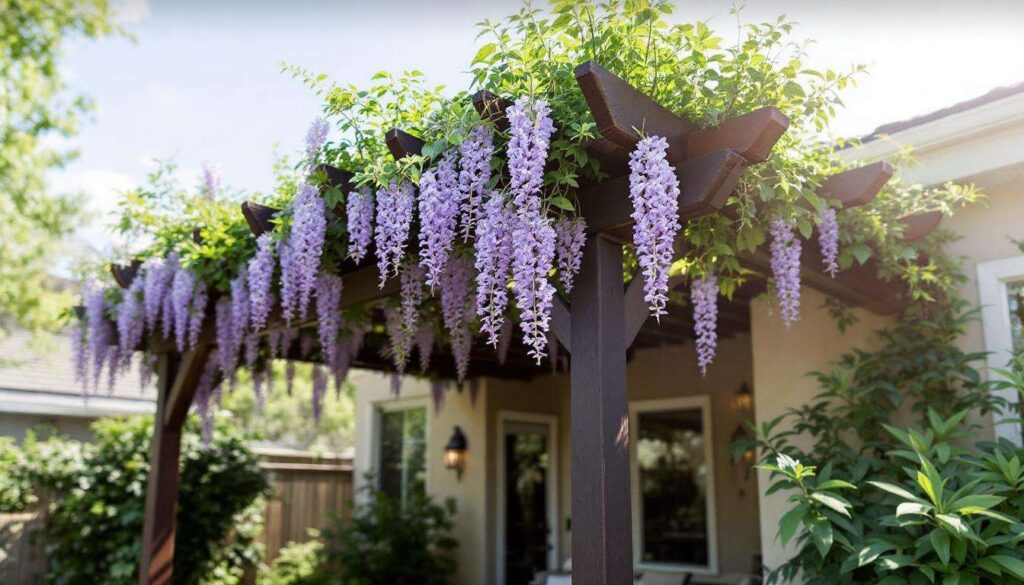
Creating an outdoor sanctuary that engages the senses requires careful planning and the right combination of architectural elements and botanical choices. A pergola adorned with fragrant climbing plants transforms an ordinary backyard into a sophisticated retreat that offers shade, beauty, and an intoxicating aroma throughout the warmer months. By selecting classic climbers like wisteria and jasmine, homeowners can craft a living canopy that evolves with the seasons while providing a stunning focal point for outdoor entertaining and relaxation.
Introduction to garden design with pergola
Understanding the role of pergolas in landscape architecture
A pergola serves as both a structural and aesthetic element in garden design, creating vertical interest and defining outdoor spaces. These open-air structures consist of vertical posts supporting crossbeams and an open lattice, offering partial shade while allowing air circulation. The architectural framework provides essential support for climbing plants while establishing distinct zones within larger landscapes.
Garden designers frequently incorporate pergolas to achieve multiple objectives:
- Creating transitional spaces between different garden areas
- Establishing shaded pathways or seating areas
- Adding height and dimension to flat landscapes
- Providing structural support for flowering vines
- Framing views and directing visual attention
Planning your pergola placement for optimal growth
Strategic positioning determines the success of both the structure and the plants it supports. Sunlight exposure ranks as the primary consideration, as both wisteria and jasmine require adequate light to produce their characteristic blooms. South-facing or west-facing locations typically receive six to eight hours of direct sunlight, creating ideal conditions for vigorous flowering.
Additional placement factors include proximity to water sources for irrigation, soil quality beneath and around the structure, and relationship to existing landscape features. The pergola should complement rather than compete with established garden elements while providing convenient access for maintenance tasks.
Understanding these foundational principles sets the stage for selecting the specific pergola style that will best showcase your chosen climbing plants.
Choosing the ideal pergola for your climbing plants
Material considerations for durability and aesthetics
The construction material significantly impacts both longevity and visual appeal. Each option presents distinct advantages for supporting climbing plants:
| Material | Lifespan | Maintenance Level | Weight Capacity |
|---|---|---|---|
| Cedar Wood | 15-20 years | Moderate | High |
| Pressure-Treated Pine | 20-25 years | Low | High |
| Aluminum | 25-30 years | Very Low | Moderate |
| Vinyl | 20-25 years | Very Low | Moderate |
Wood pergolas offer natural beauty and exceptional strength, making them particularly suitable for heavy vines like mature wisteria. The organic texture complements botanical elements while providing secure attachment points. Metal and vinyl alternatives require less maintenance but may need additional training wires or supports for optimal plant attachment.
Sizing and structural requirements
Dimensions must accommodate both human use and plant growth. Standard pergolas measure eight to twelve feet in height, with widths ranging from eight to sixteen feet. Mature wisteria can weigh several hundred pounds when fully established, requiring posts anchored at least two feet deep in concrete footings.
Beam spacing influences how easily plants can cover the structure. Crossbeams positioned twelve to eighteen inches apart provide adequate support for twining stems while creating attractive shadow patterns. Closer spacing facilitates faster coverage but may restrict airflow, potentially encouraging fungal issues in humid climates.
With the structural foundation established, attention turns to the specific plants that will transform this framework into a living masterpiece.
The benefits of jasmine and wisteria for your space
Wisteria characteristics and seasonal display
Wisteria delivers spectacular cascading flower clusters in spring, creating a dramatic visual impact that few plants can match. The pendulous blooms, reaching twelve to eighteen inches in length, appear in shades of purple, blue, white, or pink depending on the variety. This vigorous deciduous vine can grow ten to twenty-five feet annually once established, quickly covering substantial structures.
Beyond visual appeal, wisteria offers practical advantages:
- Dense foliage provides excellent summer shade
- Woody stems create winter architectural interest
- Flowers attract pollinators including bees and butterflies
- Long lifespan with specimens surviving over fifty years
- Tolerance for various soil types and urban conditions
Jasmine varieties and fragrance profiles
Several jasmine species suit pergola cultivation, each offering distinct characteristics. Confederate jasmine (Trachelospermum jasminoides) produces small white star-shaped flowers with intense fragrance from spring through early summer. This evergreen vine grows more moderately than wisteria, reaching fifteen to twenty feet at maturity with glossy dark green foliage year-round.
Common jasmine (Jasminum officinale) presents a deciduous option with larger flowers and slightly different bloom timing. The intoxicating scent intensifies during evening hours, making it particularly valuable for outdoor dining and entertaining spaces. Both varieties thrive in similar conditions, tolerating partial shade though flowering most profusely in full sun.
| Feature | Wisteria | Confederate Jasmine |
|---|---|---|
| Growth Rate | Very Fast | Moderate |
| Bloom Period | Spring (3-4 weeks) | Spring-Summer (8-12 weeks) |
| Fragrance Intensity | Moderate | Strong |
| Foliage Season | Deciduous | Evergreen |
Selecting these complementary plants establishes the foundation, but proper training techniques ensure they develop according to your design vision.
Effective techniques for guiding plant growth
Initial training for young vines
The first growing season establishes patterns that persist throughout the plant’s life. Proper training from the start prevents structural problems and accelerates coverage. Plant wisteria and jasmine at least twelve inches from pergola posts, angling stems toward the structure at planting time. This positioning protects roots from concrete footings while directing growth appropriately.
During the establishment phase, implement these practices:
- Select one or two primary stems as main leaders
- Remove competing shoots to concentrate energy
- Tie stems loosely to supports using soft materials
- Guide growth horizontally along beams before allowing vertical extension
- Pinch growing tips to encourage lateral branching
Pruning strategies for optimal flowering
Wisteria requires specific pruning to maximize bloom production. Perform initial pruning in late summer, cutting back current season’s growth to five or six leaves from the main framework. A second pruning in late winter removes additional growth, leaving just two or three buds on each spur. This double-pruning system channels energy into flower bud formation rather than excessive vegetative growth.
Jasmine demands less intensive pruning but benefits from annual maintenance. Trim after the main flowering period concludes, removing spent blooms and shaping the plant to maintain desired coverage. Light pruning throughout the growing season controls wayward stems and encourages additional flowering on new growth.
Support systems and attachment methods
While pergola beams provide primary support, supplementary systems help distribute weight and guide growth precisely. Install galvanized wire or vinyl-coated cable between posts and beams, creating a grid pattern with eighteen to twenty-four inch spacing. These guides prevent stems from bundling together and improve air circulation throughout the canopy.
Attachment materials must accommodate stem expansion without causing damage. Soft fabric ties, adjustable velcro straps, or specialized plant clips work effectively. Avoid wire or string that cuts into bark as stems thicken. Check and adjust ties every few months during active growth periods.
Establishing proper growth patterns through training creates the framework, but ongoing maintenance ensures these plants remain healthy and productive for years.
Maintenance of climbing plants for a sustainable garden
Watering and fertilization requirements
Established wisteria and jasmine demonstrate moderate drought tolerance but perform best with consistent moisture during active growth and flowering. Provide one to two inches of water weekly through rainfall or irrigation, adjusting based on temperature and soil conditions. Deep, infrequent watering encourages extensive root development that supports vigorous top growth.
Fertilization needs differ between establishment and maturity phases. Young plants benefit from balanced fertilizer applications in early spring and midsummer. Once established, reduce nitrogen levels to prevent excessive foliage at the expense of flowers. A phosphorus-rich formula applied in late winter promotes bloom development without stimulating unwanted vegetative growth.
Pest and disease management
Both plants exhibit good resistance to serious problems but may encounter occasional issues:
- Aphids clustering on new growth during spring
- Scale insects on stems and leaf undersides
- Powdery mildew in humid conditions with poor air circulation
- Leaf spot diseases following extended wet periods
- Spider mites during hot, dry weather
Regular inspection allows early detection and intervention. Strong water sprays dislodge many pests before populations become problematic. Horticultural oils and insecticidal soaps provide effective control for persistent infestations while minimizing environmental impact. Proper spacing and pruning that maintains airflow reduces disease incidence more effectively than chemical treatments.
Winter protection and seasonal considerations
Cold hardiness varies by species and variety. Most wisteria types tolerate temperatures to minus twenty degrees Fahrenheit once established, requiring no special winter protection in temperate zones. Confederate jasmine proves less cold-hardy, surviving to approximately zero degrees with potential for top damage in severe winters. In marginal climates, wrap young jasmine plants or provide temporary covers during extreme cold snaps.
Mulching around the root zone provides insulation and moisture retention. Apply three to four inches of organic mulch in late fall, keeping material several inches away from stems to prevent rot and rodent damage. Remove or refresh mulch in spring as new growth emerges.
With maintenance practices ensuring plant health and vigor, the focus shifts to maximizing the sensory and functional aspects of your transformed outdoor space.
Creating a fragrant and inviting outdoor living space
Enhancing the sensory experience
The combination of visual beauty and intoxicating fragrance creates a multisensory environment that elevates outdoor living. Position seating areas directly beneath the pergola where jasmine’s evening scent concentrates. The natural ceiling formed by intertwined vines filters harsh sunlight while allowing breezes to circulate, carrying fragrance throughout the space.
Complement the primary climbers with additional sensory elements:
- Underplant with fragrant herbs like lavender and rosemary
- Add container plantings that extend the bloom season
- Incorporate water features for soothing sound
- Install subtle lighting to highlight evening blooms
- Use natural materials in furniture that harmonize with plants
Functional design for entertaining and relaxation
Strategic furniture placement maximizes comfort and usability. Arrange seating to take advantage of shade patterns throughout the day, considering how coverage changes as plants mature. A dining table positioned centrally beneath the pergola creates an intimate outdoor room perfect for meals surrounded by fragrant blooms.
Consider traffic flow and accessibility when finalizing the layout. Maintain clear pathways around the pergola perimeter, allowing easy access for maintenance while creating natural circulation patterns for gatherings. Built-in benches or planters can define spaces without obstructing views or movement.
Extending the season and maximizing enjoyment
While peak bloom periods offer spectacular displays, thoughtful design extends enjoyment across multiple seasons. Wisteria’s spring flowers give way to lush summer foliage and interesting seed pods in fall. The sculptural woody stems create winter interest, especially when dusted with snow or frost. Jasmine varieties with evergreen foliage maintain greenery year-round in appropriate climates.
Enhance off-season appeal through complementary plantings and decorative elements. Evergreen shrubs provide structure when deciduous vines lose leaves. Seasonal container displays introduce color during gaps in the blooming calendar. Outdoor heating elements or fire features extend comfortable use into cooler months, allowing enjoyment of the space beyond traditional warm-weather periods.
Transforming an ordinary backyard into a fragrant sanctuary requires patience and proper technique, but the results justify the investment. The combination of a well-designed pergola with carefully trained wisteria and jasmine creates an outdoor living space that engages multiple senses while providing practical benefits. By following established training methods, maintaining consistent care routines, and thoughtfully integrating complementary design elements, homeowners can develop a sophisticated garden feature that matures into a cherished retreat. The interplay of structure and nature, fragrance and beauty, establishes a timeless outdoor environment that enhances property value while enriching daily life through connection with the natural world.