
Gardeners seeking vibrant displays from spring through fall often turn to two reliable champions of the flower bed: pansies and petunias. These annual flowers transform ordinary garden spaces into colorful showcases when properly timed and cultivated. Sowing these beloved blooms during the early spring months sets the foundation for months of continuous flowering, creating eye-catching arrangements that brighten both garden beds and container plantings throughout the warmer seasons.
Introduction to pansies and petunias
Characteristics of pansies
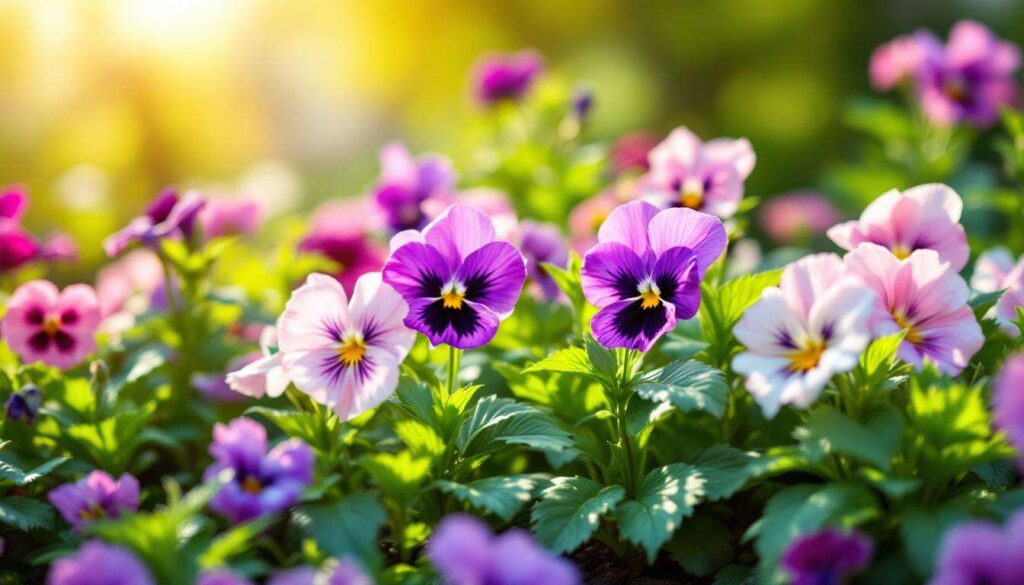
Pansies belong to the Viola genus and are recognized for their distinctive face-like markings that appear on their petals. These cool-season annuals thrive in temperatures ranging from 40 to 60 degrees Fahrenheit, making them exceptional choices for early season color. Their blooms span a remarkable spectrum including:
- Deep purples and rich blues
- Vibrant yellows and oranges
- Pure whites and soft pastels
- Bicolor combinations with contrasting centers
Pansies typically reach heights of 6 to 9 inches and spread approximately 9 to 12 inches wide, creating compact mounds perfect for edging and container displays.
Characteristics of petunias
Petunias represent warm-season annuals that flourish once temperatures consistently remain above 60 degrees Fahrenheit. These members of the Solanaceae family produce trumpet-shaped flowers in remarkable abundance. Modern breeding programs have developed several distinct categories:
| Petunia Type | Flower Size | Growth Habit | Best Use |
|---|---|---|---|
| Grandiflora | 3-5 inches | Upright | Containers, focal points |
| Multiflora | 1-2 inches | Compact | Bedding, mass plantings |
| Wave/Spreading | 2-3 inches | Trailing | Hanging baskets, ground cover |
Understanding these fundamental differences helps gardeners select appropriate varieties for their specific landscape needs and climate conditions.
Benefits of sowing in March
Timing advantages for optimal growth
Starting seeds during the early spring period provides several strategic advantages for both flower types. March sowing allows pansies to establish robust root systems before warmer temperatures arrive, while petunias gain sufficient development time to bloom by early summer. This strategic timing ensures continuous flowering throughout the growing season rather than delayed displays that begin in midsummer.
Cost savings and variety selection
Growing from seed offers substantial economic benefits compared to purchasing established transplants. Home gardeners can access:
- Significantly lower per-plant costs
- Access to rare and specialty varieties unavailable as transplants
- Greater control over growing conditions from germination
- Ability to produce exact quantities needed for specific designs
The financial efficiency becomes particularly apparent when filling large beds or multiple containers, where transplant costs quickly accumulate.
Extended blooming period
Seeds sown during this optimal window develop into mature flowering plants earlier than those started later in spring. This head start translates to additional weeks of blooms, maximizing the visual impact and return on gardening efforts. These scheduling considerations directly influence the success of planting endeavors.
Ideal conditions for planting
Soil requirements and preparation
Both pansies and petunias demand well-draining soil enriched with organic matter. The ideal growing medium should maintain moisture without becoming waterlogged. Recommended soil preparation includes:
- pH levels between 5.5 and 6.5 for optimal nutrient availability
- Incorporation of compost or aged manure at 2-3 inches depth
- Addition of perlite or vermiculite to improve drainage in heavy soils
- Removal of rocks, debris, and competing weed roots
Light and temperature needs
Germination requirements differ between these two species. Pansies prefer cooler conditions with germination temperatures between 65 and 70 degrees Fahrenheit, while petunias require slightly warmer environments of 70 to 75 degrees. Both species need adequate light exposure for healthy development, with pansies tolerating partial shade and petunias demanding full sun for maximum flowering.
Container versus garden bed considerations
| Growing Location | Advantages | Considerations |
|---|---|---|
| Garden Beds | Larger root space, less watering | Permanent location, soil quality |
| Containers | Mobility, controlled environment | Frequent watering, limited nutrients |
Container plantings require premium potting mix specifically formulated for drainage and aeration, while garden beds benefit from native soil amendments. With proper environmental conditions established, attention turns to the practical aspects of seed starting.
Steps for successful sowing
Seed starting indoors
Indoor seed starting provides controlled conditions that maximize germination rates. Fill seed trays or small pots with sterile seed-starting mix, moisten thoroughly, and sow seeds according to packet directions. Pansy seeds require light for germination and should remain uncovered, while petunia seeds need similar treatment due to their tiny size.
Germination monitoring
Consistent moisture and appropriate temperatures prove critical during the germination phase. Cover trays with clear plastic domes or wrap to maintain humidity levels. Expected germination timelines include:
- Pansies: 10 to 14 days under ideal conditions
- Petunias: 7 to 10 days with proper warmth and moisture
Remove coverings immediately upon seedling emergence to prevent damping-off disease and provide adequate air circulation.
Transplanting and hardening off
Once seedlings develop two sets of true leaves, transplant them into individual containers with quality potting soil. The hardening-off process gradually acclimates indoor-grown plants to outdoor conditions over 7 to 10 days. Begin with one hour of outdoor exposure in shade, incrementally increasing time and sun intensity. This crucial step prevents transplant shock and strengthens plants for permanent placement. Proper establishment techniques lead naturally to ongoing maintenance requirements.
Maintenance and care throughout the summer
Watering schedules and techniques
Consistent moisture management determines flowering success for both species. Pansies require approximately 1 inch of water weekly, while petunias demand slightly more during peak summer heat. Water deeply at soil level rather than overhead to minimize disease risks. Container plantings may require daily watering during hot periods, while garden bed plantings need less frequent but deeper irrigation.
Fertilization programs
Regular feeding sustains continuous blooming throughout the growing season. Apply balanced water-soluble fertilizer at half strength every two weeks, or incorporate slow-release granular fertilizer at planting time. Petunias particularly benefit from consistent nutrition due to their prolific flowering habit.
Deadheading and pruning practices
Removing spent flowers encourages continued bloom production and maintains tidy appearances. For pansies, pinch off faded flowers at the base of the stem. Petunias benefit from occasional shearing back by one-third when plants become leggy, promoting bushier growth and renewed flowering. These maintenance practices enhance the visual appeal that makes thoughtful design combinations possible.
Combinations and layout for a colorful garden
Complementary color schemes
Strategic color pairing creates dramatic visual impact in garden displays. Effective combinations include:
- Purple pansies with yellow petunias for contrasting vibrancy
- White petunias with blue pansies for cool elegance
- Mixed warm tones of orange and red for energetic displays
- Monochromatic schemes using varied shades of single colors
Layering techniques for containers
Container arrangements benefit from thriller, filler, spiller design principles. Position upright petunias as focal points, use compact pansies as mid-level fillers, and incorporate trailing petunia varieties as spillers cascading over container edges. This layered approach creates dimensional interest and maximizes limited planting space.
Border and edging applications
Garden bed borders gain definition through strategic placement of these annuals. Low-growing pansies excel as front-of-border edging plants, while taller petunia varieties provide mid-border color masses. Repeating color patterns at regular intervals creates rhythm and unity throughout landscape designs, transforming ordinary spaces into cohesive, professional-looking displays.
The combination of pansies and petunias offers gardeners reliable, colorful options for spring through fall displays. Starting seeds during the optimal window provides economic advantages, extended blooming periods, and access to diverse varieties. Success depends on understanding each species’ specific requirements for soil, light, temperature, and ongoing care. Proper sowing techniques, consistent maintenance practices, and thoughtful design combinations transform these popular annuals into standout garden features that deliver months of visual enjoyment with relatively modest effort and investment.