
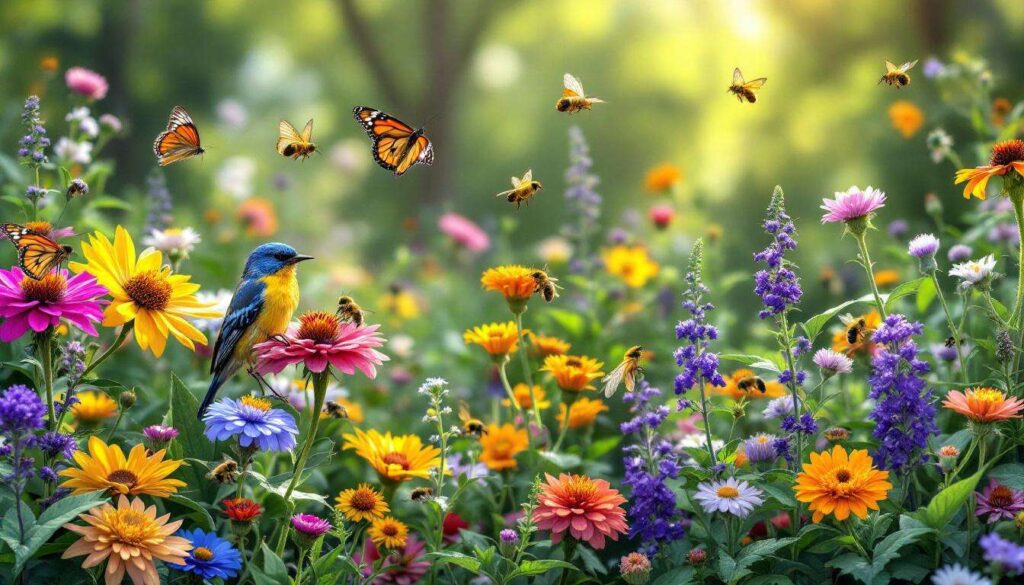
Creating a thriving outdoor space that supports local ecosystems has become increasingly important for gardeners who want to make a positive environmental impact. Native plants offer a sustainable solution that requires less maintenance while providing essential resources for pollinators and wildlife. These indigenous species have evolved alongside local fauna over thousands of years, creating symbiotic relationships that benefit both plants and animals. By incorporating native perennials into your landscape, you can transform your yard into a vibrant habitat that buzzes with life throughout the growing season.
Introduction to native plants for wildlife gardening
Understanding native plant species
Native plants are species that naturally occur in a specific region without human introduction. These plants have adapted to local climate conditions, soil types, and seasonal patterns over millennia. Unlike exotic ornamentals, native species require minimal intervention once established because they are perfectly suited to their environment.
The definition of “native” typically refers to plants that existed in a region before European colonization. These species form the foundation of local ecosystems and provide critical resources that wildlife depends upon for survival. Their deep root systems also improve soil health and prevent erosion more effectively than non-native alternatives.
Benefits of wildlife-friendly gardens
Wildlife gardens serve multiple ecological functions that extend far beyond aesthetic appeal. These spaces provide:
- Food sources through nectar, pollen, seeds, and berries
- Shelter and nesting sites for various species
- Corridors connecting fragmented habitats
- Water sources and breeding grounds
- Overwintering locations for insects and small animals
By creating these habitats, gardeners contribute to conservation efforts while enjoying the beauty and activity that wildlife brings to their property. The presence of diverse species also indicates a healthy, balanced ecosystem.
Getting started with native plantings
Beginning your native plant journey requires research into which species are indigenous to your specific area. Local native plant societies, extension offices, and botanical gardens can provide valuable guidance. Start small with a dedicated bed or border, gradually expanding as you gain experience with native species and observe which plants thrive in your particular conditions.
Understanding these foundational concepts prepares you to make informed decisions about which native perennials will best serve your wildlife gardening goals.
Why choose local perennial plants to attract wildlife
Evolutionary relationships between native plants and wildlife
Local wildlife species have co-evolved with native plants over thousands of generations, developing specialized relationships that exotic plants cannot replicate. Many native insects can only feed on specific plant species, making these plants irreplaceable for supporting complete food webs. For example, monarch butterfly caterpillars exclusively consume milkweed species native to their range.
These evolutionary partnerships mean that native plants provide optimal nutrition at precisely the right times during wildlife life cycles. The synchronization between plant flowering periods and insect emergence ensures that food resources are available when animals need them most.
Low maintenance requirements
Native perennials demand significantly less care than non-native ornamentals because they are adapted to local conditions. Once established, these plants typically require:
- Minimal supplemental watering, even during dry periods
- No fertilizers, as they thrive in native soil compositions
- Reduced or eliminated pesticide applications
- Less frequent division and replanting
- Natural resistance to local pests and diseases
This reduced maintenance translates to lower costs, less time investment, and decreased environmental impact from chemical inputs and water consumption.
Year-round wildlife support
Native perennials provide resources throughout all seasons, not just during peak growing periods. Their seed heads feed birds during winter months, while their dried stems offer overwintering sites for beneficial insects. Dead plant material provides nesting material and shelter, making it important to delay cutting back perennials until spring.
| Season | Wildlife Benefit | Plant Feature |
|---|---|---|
| Spring | Early nectar for emerging pollinators | Early blooming flowers |
| Summer | Peak food production | Abundant flowers and foliage |
| Fall | Migration fuel and seed harvest | Late blooms and ripening seeds |
| Winter | Food storage and shelter | Seed heads and hollow stems |
These compelling advantages make native perennials the logical choice for gardeners seeking to maximize wildlife value while minimizing their workload.
How do native plants promote biodiversity
Supporting complete food webs
Native plants form the foundation of terrestrial food webs by converting sunlight into energy that flows through entire ecosystems. Herbivorous insects consume plant material, predatory insects feed on herbivores, and birds eat both plant seeds and insects. This cascade of energy transfer supports diverse species at multiple trophic levels.
Research demonstrates that native plants support significantly more insect biomass than non-native species. One study found that native oak trees support over 500 caterpillar species, while non-native ginkgo trees support virtually none. This difference has profound implications for birds raising young, as most songbirds feed their nestlings protein-rich caterpillars.
Creating habitat complexity
Diverse native plantings create structural complexity that provides various microhabitats within a single garden. Different plant heights, densities, and growth forms offer:
- Ground-level coverage for ground-nesting bees and small mammals
- Mid-level flowering plants for butterflies and other pollinators
- Tall perennials and grasses for bird perching and nesting
- Dense foliage for concealment from predators
- Varied bloom times ensuring continuous food availability
Reducing invasive species pressure
Establishing robust native plant communities helps prevent invasive species from gaining footholds in your landscape. Native perennials with extensive root systems occupy soil space and consume resources that would otherwise be available to aggressive non-natives. Their dense growth shades soil surfaces, reducing opportunities for invasive seed germination.
Additionally, by choosing native plants over potentially invasive ornamentals, gardeners prevent introducing problematic species that can escape cultivation and damage natural areas. Many popular garden plants have become serious ecological threats after spreading beyond their intended boundaries.
Strengthening ecosystem resilience
Biodiverse gardens with multiple native species demonstrate greater resilience to environmental stresses than monocultures or non-native plantings. When diverse plants support varied wildlife populations, ecosystems can better withstand disturbances like drought, disease, or pest outbreaks. If one species struggles, others compensate, maintaining ecosystem function.
These interconnected benefits illustrate how native plants create self-sustaining habitats that support abundant wildlife populations.
Popular native plants to attract butterflies
Milkweed species for monarchs and other butterflies
Milkweeds represent essential butterfly plants, particularly for monarch butterflies that depend exclusively on them for reproduction. Common milkweed, swamp milkweed, and butterfly weed all provide nectar for adult butterflies while serving as host plants where females lay eggs and caterpillars develop.
Beyond monarchs, milkweeds attract numerous other butterfly species seeking nectar, including:
- Swallowtails
- Fritillaries
- Hairstreaks
- Skippers
- Painted ladies
Purple coneflower and other aster family members
Purple coneflower (Echinacea purpurea) ranks among the most valuable butterfly plants available to gardeners. Its large, daisy-like flowers provide abundant nectar throughout summer, attracting diverse butterfly species. The aster family includes numerous other excellent choices like black-eyed Susan, New England aster, and blazing star, all offering extended bloom periods.
These plants feature composite flowers with many individual florets, providing multiple feeding opportunities on each bloom. Their sturdy stems allow butterflies to easily land and access nectar while their bright colors serve as visual attractants.
Host plants for caterpillar development
Supporting complete butterfly life cycles requires providing host plants for caterpillars, not just nectar sources for adults. Different butterfly species have specific host plant requirements:
| Butterfly Species | Native Host Plants | Additional Benefits |
|---|---|---|
| Monarch | Milkweed species | Attracts multiple pollinator species |
| Swallowtail | Wild carrot, parsley family | Ornamental umbel flowers |
| Painted Lady | Thistles, asters | Provides bird food (seeds) |
| Fritillary | Violets | Attractive groundcover |
Including these specialized plants ensures butterflies can complete their entire life cycle in your garden, creating sustainable populations rather than just attracting transient visitors.
Local perennial plant species to attract bees
Early spring bloomers for emerging bees
Early-season native plants provide critical resources for bees emerging from winter dormancy or hibernation. These insects need immediate access to pollen and nectar to build energy reserves and begin reproduction. Wild columbine, Virginia bluebells, and golden Alexanders bloom when few other food sources exist, supporting early bee activity.
Native ground-nesting bees particularly benefit from early bloomers because they must quickly provision nests before their short adult lifespans end. By planting species that flower from early spring through fall, you ensure continuous food availability for diverse bee species with different emergence times.
Tubular flowers for long-tongued bees
Many native bee species possess specialized tongue lengths adapted to specific flower shapes. Long-tongued bumblebees excel at accessing nectar from tubular flowers that other pollinators cannot reach. Native plants with tubular blooms include:
- Wild bergamot (bee balm)
- Cardinal flower
- Penstemon species
- Lobelia species
- Salvia species
These plants demonstrate the importance of flower diversity in supporting complete pollinator communities. Different flower shapes ensure that various bee species find appropriate food sources.
Providing nesting habitat and materials
Supporting bee populations requires more than flowers; bees need suitable nesting sites to reproduce successfully. Most native bees are solitary species that nest in different substrates. Ground-nesting species require bare soil patches, while cavity-nesting bees use hollow plant stems or beetle holes in dead wood.
Native perennials contribute to nesting habitat by providing hollow or pithy stems that cavity-nesting bees excavate. Leaving perennial stems standing through winter provides these essential nesting sites. Additionally, some bees collect plant fibers, resins, or leaf pieces to construct nest cells, making diverse native plantings valuable beyond their flowers.
With bees thriving on appropriate native plants, your garden becomes increasingly attractive to other wildlife seeking the insects as food sources.
Attracting birds with native plants in your area
Seed-producing perennials for year-round bird food
Native perennials that produce abundant seeds provide crucial winter food for resident and migrating birds. Coneflowers, black-eyed Susans, and native grasses develop seed heads that persist through cold months when other food sources disappear. Goldfinches, sparrows, and juncos rely heavily on these seeds for survival.
Leaving seed heads standing rather than cutting them back in fall serves dual purposes: feeding birds while providing overwintering sites for beneficial insects. This practice transforms your garden into a year-round wildlife resource rather than just a seasonal display.
Berry and fruit-producing species
Native shrubs and perennials producing berries attract fruit-eating bird species including:
- Thrushes and robins
- Waxwings
- Catbirds
- Mockingbirds
- Bluebirds
Native elderberry, serviceberry, and winterberry provide high-energy fruits precisely when birds need them most during migration or before winter. These fruits contain higher nutritional value than non-native alternatives, better supporting bird health and reproductive success.
Insect populations as protein sources
The most important way native plants attract birds is by supporting abundant insect populations that birds consume. Research shows that 96% of terrestrial bird species feed insects to their nestlings, making insect availability critical for successful reproduction. Native plants support exponentially more insects than non-natives, directly translating to better bird nesting success.
| Native Plant | Caterpillar Species Supported | Bird Species Attracted |
|---|---|---|
| Native oak trees | 500+ | Warblers, chickadees, nuthatches |
| Native cherry | 450+ | Orioles, tanagers, grosbeaks |
| Native willow | 400+ | Flycatchers, vireos, warblers |
| Native goldenrod | 100+ | Sparrows, finches, wrens |
By establishing diverse native plantings that maximize insect biodiversity, you create optimal bird habitat that supports healthy populations throughout their life cycles.
Transform your outdoor space into a thriving wildlife sanctuary by selecting native perennial plants adapted to your specific region. Focus on diversity by including species that bloom at different times, produce various seed types, and support specialized wildlife relationships. Leave plant stems and seed heads standing through winter to provide food and shelter when wildlife needs them most. Start with a small area and gradually expand your native plantings as you observe which species thrive and attract the most wildlife. Remember that creating habitat takes time; be patient as plant communities establish and wildlife discovers your garden. Your efforts will reward you with a vibrant, low-maintenance landscape buzzing with butterflies, bees, and birds while contributing meaningfully to local ecosystem health and biodiversity conservation.