

Gardeners who appreciate fresh herbs know the satisfaction of stepping outside to snip sprigs for cooking. While some herbs require annual replanting, certain varieties establish themselves as reliable perennials, returning year after year without additional effort. Mint, parsley, and sage stand among the most dependable culinary herbs that regenerate each spring, offering home cooks a continuous supply of flavor. These resilient plants not only reduce gardening workload but also provide economic and environmental benefits by eliminating the need for repeated purchases and plantings. Understanding how to establish and maintain these herbs transforms any garden space into a productive culinary resource.
Introduction to perennial culinary herbs
Understanding perennial versus annual herbs
The distinction between perennial and annual herbs significantly impacts garden planning and maintenance. Perennial herbs develop root systems that survive winter dormancy, allowing the plants to regrow when temperatures warm. Annual herbs complete their entire life cycle within one growing season, requiring replanting each year. This fundamental difference affects both the initial investment in establishing an herb garden and the ongoing care required.
- Perennials establish deeper root systems over multiple seasons
- Annual herbs typically produce more abundant foliage in a single season
- Perennial varieties require less frequent soil preparation
- Climate zones determine which herbs behave as true perennials
Benefits of growing perennial culinary herbs
Cultivating perennial herbs offers practical advantages beyond convenience. Cost savings accumulate over time as gardeners avoid purchasing replacement plants or seeds annually. These established plants typically demonstrate greater disease resistance and drought tolerance compared to newly planted annuals. The consistent availability of fresh herbs throughout the growing season encourages more adventurous cooking and reduces reliance on dried alternatives with diminished flavor profiles.
Beyond practical considerations, perennial herbs contribute to garden ecosystems by providing habitat for beneficial insects and pollinators. Their established root systems help prevent soil erosion and improve soil structure through organic matter contribution. These ecological benefits complement their culinary value, making perennial herbs multifunctional garden additions.
Adding mint to the garden: tips and maintenance
Selecting the right mint variety
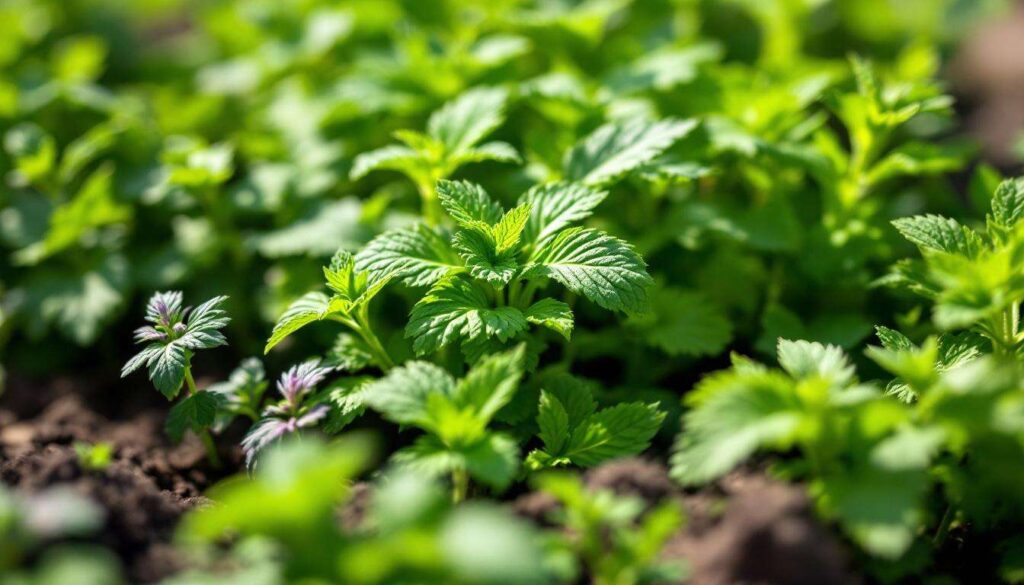
The mint family encompasses numerous species, each offering distinct flavor profiles suited to different culinary applications. Spearmint provides the classic mint taste familiar in teas and desserts, while peppermint delivers a more intense, cooling sensation appropriate for beverages and confections. Specialty varieties like chocolate mint, apple mint, and pineapple mint introduce unexpected flavor dimensions that expand creative cooking possibilities.
Containing mint’s aggressive growth
Mint’s vigorous spreading habit represents both an advantage and a challenge for gardeners. Underground runners allow mint to colonize garden beds rapidly, potentially overwhelming neighboring plants. Strategic containment measures prevent this invasive tendency while maintaining healthy mint production.
- Plant mint in buried containers with drainage holes to restrict root spread
- Create physical barriers using metal or plastic edging extending 12 inches deep
- Dedicate separate garden areas exclusively to mint cultivation
- Regularly remove runners that escape containment zones
- Grow mint in large pots on patios or balconies for complete control
Optimal growing conditions for mint
Mint thrives in conditions that mirror its natural habitat along stream banks and in moist woodlands. Partial shade to full sun accommodates mint successfully, though plants in hotter climates benefit from afternoon shade protection. Consistent moisture proves essential, as mint foliage wilts quickly during drought stress. Well-draining soil enriched with organic matter supports robust growth while preventing root rot in waterlogged conditions.
Understanding these requirements helps gardeners transition their focus to another resilient herb that demands different care considerations.
Parsley: cultivation and benefits in your kitchen
Biennial behavior and perennial potential
Parsley technically functions as a biennial, completing its life cycle over two years rather than one. During the first season, plants focus energy on foliage production, providing abundant harvests for culinary use. The second year triggers flowering and seed production, after which plants decline. However, parsley frequently self-seeds, creating the appearance of perennial growth as new plants germinate from dropped seeds each spring.
Flat-leaf versus curly varieties
Gardeners choose between two primary parsley types based on culinary preferences and aesthetic considerations. Flat-leaf Italian parsley offers more pronounced flavor and easier preparation, making it preferred for cooking applications. Curly parsley provides decorative appeal as a garnish while delivering milder taste. Both varieties contain similar nutritional profiles rich in vitamins A, C, and K.
| Characteristic | Flat-leaf parsley | Curly parsley |
|---|---|---|
| Flavor intensity | Strong, robust | Mild, subtle |
| Primary use | Cooking ingredient | Garnish and cooking |
| Texture | Smooth, tender | Ruffled, firmer |
| Growth habit | Taller, more open | Compact, dense |
Establishing parsley in the garden
Parsley seeds germinate slowly, often requiring three to four weeks before seedlings emerge. Soaking seeds overnight before planting accelerates this process by softening the seed coat. Direct sowing in early spring or transplanting nursery-grown seedlings both produce successful results. Plants prefer full sun to partial shade with consistently moist, fertile soil. Spacing plants eight to ten inches apart allows adequate air circulation while maximizing harvest potential.
Once established, parsley requires minimal maintenance beyond regular watering and occasional fertilization. This low-maintenance profile shares common ground with another versatile herb valued for both culinary and medicinal properties.
Sage: an herb with multiple uses
Culinary applications of sage
Sage’s distinctive earthy flavor with subtle pepper notes complements rich foods particularly well. Traditional pairings include poultry, pork, and game meats, where sage’s robust character balances fatty richness. The herb features prominently in Italian cuisine, especially in butter-based sauces and stuffing preparations. Fresh sage leaves also serve as aromatic additions to soups, stews, and bean dishes.
Medicinal and aromatic properties
Beyond kitchen applications, sage possesses documented therapeutic benefits recognized in traditional medicine systems. Antimicrobial compounds in sage leaves support oral health, making sage tea a natural mouth rinse. The herb’s aromatic oils provide calming effects when used in aromatherapy applications. Dried sage bundles create fragrant additions to sachets and potpourri, extending the plant’s usefulness throughout the home.
Growing requirements for healthy sage plants
Sage demonstrates remarkable drought tolerance once established, reflecting its Mediterranean origins. Full sun exposure and well-draining soil prove essential for preventing root diseases that plague sage in overly moist conditions. Plants benefit from lean soil with minimal fertilization, as excessive nutrients produce lush foliage with diminished flavor concentration.
- Position sage in the sunniest available garden location
- Amend heavy clay soils with sand or gravel to improve drainage
- Water deeply but infrequently to encourage deep root development
- Prune plants in early spring to remove woody growth and encourage branching
- Replace plants every four to five years as they become woody and less productive
These specific requirements inform broader strategies for maintaining productive herb gardens that sustain themselves across multiple growing seasons.
Tips for a perennial herb garden
Strategic garden placement and design
Locating perennial herbs near kitchen entrances encourages frequent harvesting and use. Accessibility directly correlates with utilization, as cooks are more likely to incorporate fresh herbs when they require minimal effort to obtain. Raised beds or dedicated herb spirals concentrate plantings in manageable spaces while improving drainage and soil warming in spring.
Companion planting considerations
Grouping herbs with similar cultural requirements simplifies maintenance while promoting plant health. Mediterranean herbs like sage, rosemary, and thyme thrive together in sunny, dry conditions. Moisture-loving herbs including mint, chives, and parsley benefit from shared growing areas with consistent irrigation. Strategic combinations also provide pest management benefits, as aromatic herbs deter various garden pests.
Seasonal maintenance schedule
Establishing a consistent care routine ensures perennial herbs remain productive across multiple years. Spring activities focus on cleanup, dividing overcrowded plants, and applying compost. Summer demands regular harvesting to prevent flowering and maintain tender growth. Fall preparations include final harvests before frost and applying protective mulch in cold climates.
| Season | Primary tasks | Expected outcomes |
|---|---|---|
| Spring | Remove dead growth, divide plants, fertilize | Vigorous new growth emergence |
| Summer | Regular harvesting, watering, pest monitoring | Continuous herb production |
| Fall | Final harvest, mulching, cutting back | Plants prepared for dormancy |
| Winter | Protection in cold climates, planning | Plant survival, garden design refinement |
These maintenance practices support the long-term sustainability that defines successful perennial herb cultivation.
Creating a sustainable herb garden
Water conservation strategies
Implementing efficient irrigation methods reduces water consumption while maintaining herb health. Drip irrigation systems deliver moisture directly to root zones, minimizing evaporation and preventing foliar diseases associated with overhead watering. Mulching around plants conserves soil moisture, suppresses weeds, and moderates soil temperature fluctuations. Grouping plants by water needs prevents waste from overwatering drought-tolerant species.
Organic soil building practices
Sustainable herb gardens rely on soil fertility derived from natural sources rather than synthetic inputs. Compost additions improve soil structure, water retention, and nutrient availability while supporting beneficial microbial populations. Cover cropping during dormant periods adds organic matter and prevents erosion. These practices create self-sustaining soil ecosystems that support perennial herb growth indefinitely.
Seed saving and propagation
Collecting seeds from established herbs and propagating plants through division or cuttings eliminates ongoing plant purchases. Many perennial herbs produce viable seeds that maintain parent plant characteristics. Division of mature clumps creates multiple plants from single specimens, expanding garden plantings without additional cost. Sharing excess plants with neighbors and friends builds community connections while distributing locally adapted herb varieties.
Perennial culinary herbs represent practical investments for home gardeners seeking fresh flavors with minimal ongoing effort. Mint, parsley, and sage establish themselves reliably in appropriate conditions, returning each spring to provide continuous harvests. Understanding each herb’s specific requirements and growth habits enables gardeners to create productive plantings that sustain themselves across multiple seasons. Strategic garden design, consistent maintenance practices, and sustainable cultivation methods ensure these valuable plants remain productive resources for years. The combination of culinary utility, low maintenance demands, and environmental benefits makes perennial herbs essential components of functional home gardens that deliver both immediate satisfaction and long-term value.