

The arrival of warmer weather and longer days signals the perfect opportunity to prepare your vegetable garden for a productive growing season. March represents a pivotal month for gardeners seeking to maximize their late-spring harvest, offering ideal conditions for sowing a diverse range of crops. Understanding which vegetables thrive when planted during this transitional period, along with proper soil preparation and sowing techniques, can transform your garden into a bountiful source of fresh produce. Whether you’re an experienced gardener or just beginning your journey into home cultivation, strategic planning during March sets the foundation for success in the months ahead.
Selecting Vegetables to Sow in March
Cool-Season Crops for Direct Sowing
March provides optimal conditions for sowing hardy vegetables that tolerate cooler temperatures and can withstand potential late frosts. These resilient crops establish themselves quickly and reward gardeners with early harvests before summer heat arrives.
- Peas: both shelling and snap varieties thrive when planted in early to mid-March
- Lettuce: leaf, romaine, and butterhead types germinate readily in cool soil
- Spinach: a fast-growing crop that prefers temperatures between 50-70°F
- Radishes: ready to harvest in as little as three to four weeks
- Carrots: direct sow for continuous harvests throughout spring
- Beets: both roots and greens offer nutritional benefits
Starting Seeds Indoors for Later Transplanting
Certain warm-season vegetables benefit from an indoor head start during March, allowing them to develop strong root systems before outdoor transplanting. This approach extends the growing season and ensures plants are ready when soil temperatures rise.
| Vegetable | Weeks Before Last Frost | Transplant Timing |
|---|---|---|
| Tomatoes | 6-8 weeks | After last frost date |
| Peppers | 8-10 weeks | 2 weeks after last frost |
| Eggplant | 8-10 weeks | After soil warms to 60°F |
| Broccoli | 5-7 weeks | 3-4 weeks before last frost |
Understanding the specific requirements of each vegetable variety naturally leads to considering how the growing environment itself must be prepared to support these crops.
Preparing the Soil for March Sowing
Testing Soil Readiness
Before any seeds enter the ground, soil condition assessment proves essential for successful germination. Working soil that remains too wet or frozen can damage its structure and create compaction issues that persist throughout the season.
The squeeze test offers a simple method: grab a handful of soil and compress it firmly. If water drips out or the soil forms a tight ball that doesn’t crumble when poked, it’s too wet for working. Properly prepared soil should hold together briefly then break apart with gentle pressure.
Amendments and Enrichment
March represents an ideal time to incorporate organic matter and necessary amendments into garden beds. These additions improve soil structure, drainage, and nutrient availability for developing seedlings.
- Compost: adds beneficial microorganisms and improves water retention
- Aged manure: provides slow-release nitrogen and trace minerals
- Peat moss or coconut coir: increases acidity for crops like potatoes
- Bone meal: supplies phosphorus for strong root development
- Wood ash: raises pH and adds potassium in acidic soils
Creating Optimal Seedbed Conditions
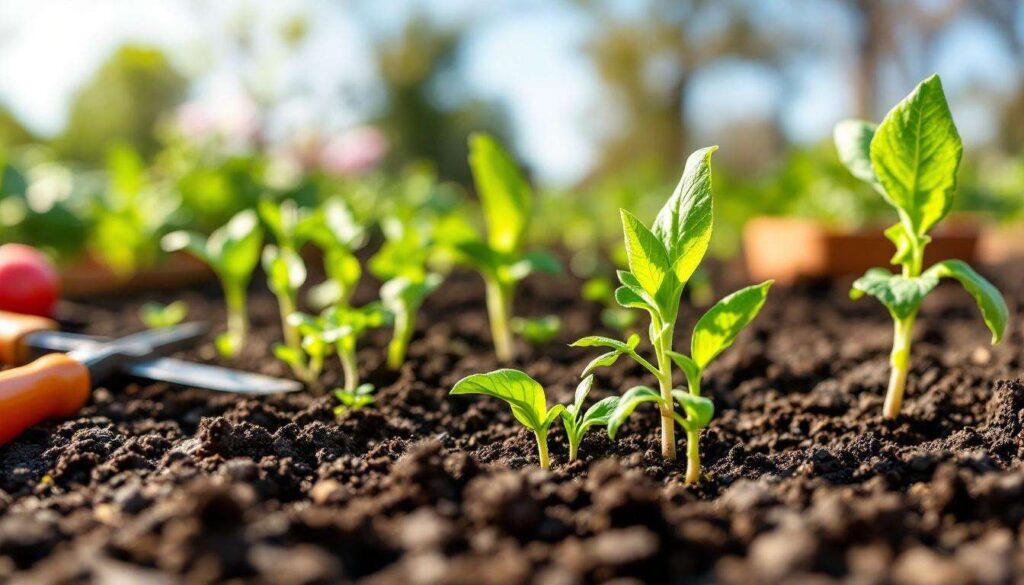
A well-prepared seedbed features fine, crumbly texture that allows seeds to make consistent contact with soil particles. Breaking up clumps and removing debris ensures even germination rates and reduces competition from weeds.
Raised beds warm faster than ground-level gardens, providing a temperature advantage of 5-10°F that accelerates germination for early spring sowings. With the growing environment properly established, attention shifts to the techniques that maximize germination success.
Tips for Successful Sowing
Proper Seed Depth and Spacing
The general rule for planting depth states that seeds should be buried at a depth approximately twice their diameter. However, some tiny seeds like lettuce require light for germination and should only be pressed gently into the soil surface.
| Vegetable | Planting Depth | Spacing Between Seeds |
|---|---|---|
| Peas | 1-2 inches | 2 inches |
| Carrots | 1/4 inch | 1 inch (thin later) |
| Lettuce | 1/4 inch | 4-6 inches |
| Spinach | 1/2 inch | 3 inches |
Managing Moisture Levels
Consistent moisture proves critical during germination, as seeds that dry out even briefly may fail to sprout. Covering newly sown areas with lightweight row covers or burlap helps retain moisture while protecting against heavy rain that can wash away seeds.
Temperature Considerations
Each vegetable species has a minimum soil temperature required for germination. Using a soil thermometer to measure temperature at planting depth prevents wasted effort on seeds that won’t germinate in cold conditions.
- Peas and spinach: germinate at soil temperatures as low as 40°F
- Lettuce and radishes: prefer 45-65°F for optimal sprouting
- Carrots and beets: require soil temperatures above 50°F
These foundational techniques apply across various vegetables, though certain crops deserve special attention for their exceptional performance during the spring season.
Vegetables to Favor for a Spring Harvest
Quick-Maturing Greens
Leafy vegetables represent the fastest path to harvest, with many varieties ready to pick within three to five weeks of sowing. These crops tolerate crowding and can be succession planted every two weeks for continuous production.
Arugula delivers a peppery punch to salads and reaches harvest size in just 21 days. Asian greens like mizuna and bok choy thrive in cool weather and provide unique flavors that diversify spring menus.
Root Vegetables for Extended Storage
March sowings of root crops mature during optimal weather conditions, developing sweet flavors enhanced by cool nights. These vegetables also store well, extending their usefulness beyond the immediate harvest period.
- Turnips: ready in 35-60 days with edible greens as a bonus crop
- Radishes: the fastest root vegetable, maturing in 22-30 days
- Beets: require 50-70 days but offer versatility in the kitchen
- Carrots: need 60-80 days but reward patience with superior flavor
Legumes for Nitrogen Fixation
Peas planted in March not only provide delicious harvests but also improve soil fertility through their nitrogen-fixing capabilities. Both shelling peas and snap peas perform well, while sugar snap varieties offer edible pods with sweet, tender peas inside.
Even with the best vegetable selections and proper techniques, certain pitfalls can undermine gardening efforts if left unaddressed.
Avoiding Common Mistakes in March Gardening
Planting Too Early
Enthusiasm for the growing season often leads gardeners to sow seeds prematurely, before soil conditions truly support germination. Seeds planted in cold, wet soil may rot rather than sprout, wasting both time and resources.
Waiting for proper soil temperatures, even if it means delaying by a week or two, produces better results than rushing the process. Seeds sown in favorable conditions quickly catch up to and often surpass those planted too early.
Overcrowding Seedlings
Failing to thin seedlings represents a common error that reduces overall productivity. Crowded plants compete for light, water, and nutrients, resulting in weak, spindly growth and smaller harvests.
- Thin carrots to 2-3 inches apart for proper root development
- Space lettuce plants 6-8 inches apart to prevent disease
- Give beets 3-4 inches between plants for optimal sizing
Neglecting Pest Protection
Early season pests like cutworms, slugs, and flea beetles can devastate young seedlings before they establish themselves. Implementing protective measures from the start prevents significant crop losses.
Row covers provide physical barriers against flying insects while maintaining warmth for developing plants. Diatomaceous earth scattered around seedlings deters soft-bodied pests without chemical intervention.
Inconsistent Watering
March weather patterns often fluctuate between rainy periods and dry spells, making irrigation management challenging. Allowing soil to dry completely between waterings stresses plants and reduces yields.
Understanding these potential problems helps gardeners navigate the complexities of spring planting, while a structured approach to timing ensures nothing gets overlooked.
Sowing Calendar: what You Need to Know
Early March Priorities
The first two weeks of March focus on hardy vegetables that tolerate frost and cold soil. These crops establish themselves while temperatures remain cool, developing strong root systems before warmer weather arrives.
- Direct sow: peas, spinach, lettuce, radishes, and turnips
- Start indoors: tomatoes, peppers, and eggplant in warm climates
- Prepare beds: for later sowings of warm-season crops
Mid to Late March Activities
As soil temperatures rise and frost risk diminishes, additional vegetables enter the planting window. This period offers flexibility for both direct sowing and transplanting cold-hardy seedlings.
| Activity | Vegetables | Expected Harvest |
|---|---|---|
| Direct sow | Carrots, beets, Swiss chard | Late May to June |
| Transplant | Broccoli, cabbage, cauliflower | Late May to early June |
| Succession plant | Lettuce, radishes, arugula | Continuous through spring |
Regional Considerations
Local climate significantly impacts optimal sowing dates, with gardeners in southern regions planting earlier than those in northern zones. Consulting regional planting guides and tracking last frost dates for your specific area ensures appropriate timing.
Microclimate factors within individual gardens also affect planting schedules. South-facing beds protected by walls or fences warm faster than exposed northern areas, allowing earlier sowings in these favored locations.
March gardening requires careful planning and attention to environmental conditions, but the effort invested during this crucial month yields abundant rewards. By selecting appropriate vegetables, preparing soil thoroughly, implementing proper sowing techniques, and avoiding common pitfalls, gardeners set themselves up for a productive late-spring harvest. The sowing calendar provides structure to the process, ensuring that each crop receives attention at the optimal time. Success in the March vegetable garden stems from understanding plant requirements, respecting natural cycles, and maintaining consistent care throughout the early growing season.