


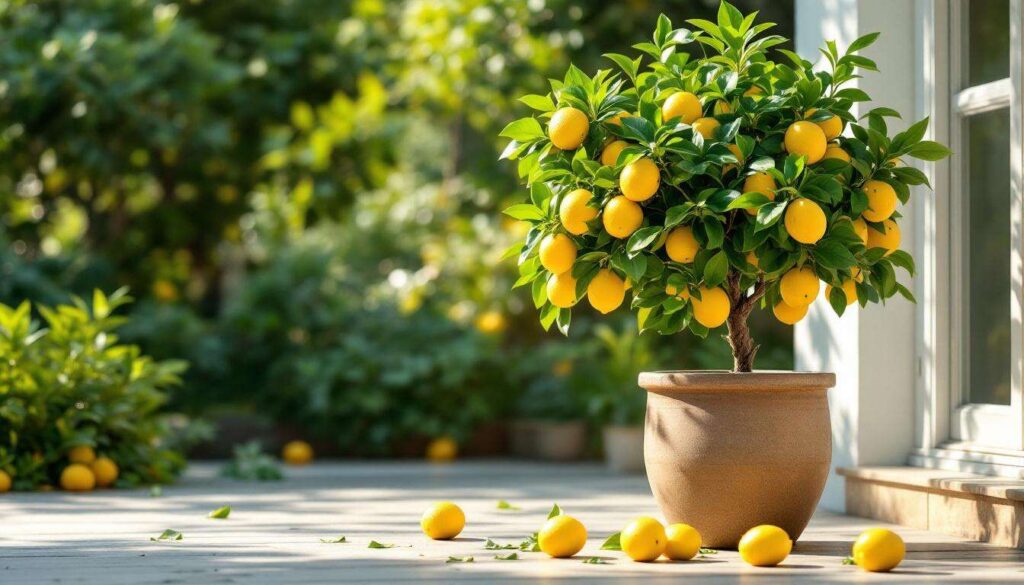
Growing citrus in containers has transformed home gardening, allowing enthusiasts to cultivate fresh fruit regardless of climate constraints or available outdoor space. The lemon tree stands out as one of the most rewarding potted plants, offering fragrant blossoms, glossy foliage, and tangy fruit throughout the year. However, achieving abundant harvests requires more than simply placing a tree in soil and watering occasionally. Nursery professionals employ specific techniques that dramatically increase fruit production, turning modest container plants into prolific producers. Understanding these methods empowers gardeners to maximize yields and enjoy homegrown lemons season after season.
Benefits of growing a lemon tree in a pot
Container cultivation offers remarkable advantages that traditional in-ground planting cannot match. Mobility ranks among the most significant benefits, enabling gardeners to relocate trees according to seasonal temperature fluctuations and sunlight availability.
Climate control and protection
Potted lemon trees provide exceptional flexibility for gardeners in regions with harsh winters or unpredictable weather patterns. Moving containers indoors during frost warnings protects delicate branches and developing fruit from damage. This portability extends the growing season considerably, allowing trees to thrive in zones where citrus typically struggles.
- Protection from unexpected temperature drops
- Ability to optimize sun exposure throughout the day
- Shelter from damaging winds and hail
- Prevention of pest infestations common in specific outdoor locations
Space efficiency for urban gardeners
Container growing makes lemon cultivation accessible to apartment dwellers and homeowners with limited yard space. A single potted tree on a balcony, patio, or sunny windowsill can produce dozens of lemons annually while occupying minimal square footage. This efficiency transforms previously unusable spaces into productive growing areas.
Soil and nutrient management
Controlling the growing medium represents another crucial advantage. Gardeners can customize soil composition to meet the specific pH requirements and drainage needs of citrus plants, something nearly impossible with native ground soil. This precision creates optimal conditions for root development and nutrient uptake, directly impacting fruit production.
These practical benefits establish the foundation for successful cultivation, but selecting appropriate containers proves equally essential for long-term productivity.
Choosing the right pot for your lemon tree
Container selection significantly influences tree health and fruiting capacity. The wrong pot restricts root growth, creates drainage problems, and ultimately limits harvest potential.
Size specifications for optimal growth
Lemon trees require adequate root space to support vigorous growth and fruit production. Young trees thrive in containers measuring 12 to 15 inches in diameter, while mature specimens need pots ranging from 18 to 24 inches across. Depth matters equally, with minimum measurements of 12 to 18 inches depending on tree size.
| Tree Age | Pot Diameter | Pot Depth |
|---|---|---|
| 1-2 years | 12-15 inches | 12-14 inches |
| 3-4 years | 16-18 inches | 14-16 inches |
| 5+ years | 20-24 inches | 16-18 inches |
Material considerations for container health
Different materials offer distinct advantages and drawbacks. Terracotta pots provide excellent breathability, preventing waterlogged soil but requiring more frequent watering. Plastic containers retain moisture longer and weigh less for easier mobility, though they may overheat in intense sun. Ceramic and glazed pots balance aesthetics with functionality but add considerable weight.
Drainage requirements
Proper drainage prevents root rot, the primary killer of potted citrus trees. Every container must feature multiple drainage holes at the bottom, typically three to five openings measuring at least half an inch in diameter. Elevating pots on feet or blocks ensures excess water escapes freely rather than pooling beneath the container.
Once the proper container is secured, creating the ideal growing environment becomes the next priority for maximizing fruit production.
Ideal conditions for a potted lemon tree
Environmental factors directly determine flowering frequency and fruit development. Replicating the Mediterranean climate that citrus naturally prefers ensures consistent harvests.
Sunlight exposure requirements
Lemon trees demand full sun exposure, requiring a minimum of six to eight hours of direct sunlight daily. South-facing locations provide optimal light in the Northern Hemisphere, while positioning near reflective surfaces like white walls amplifies available sunlight. Insufficient light results in reduced flowering and smaller, less flavorful fruit.
Temperature parameters for fruit set
Consistent temperatures between 70 and 85 degrees Fahrenheit promote vigorous growth and fruiting. Nighttime temperatures should remain above 55 degrees to prevent stress and fruit drop. When temperatures fall below 50 degrees, moving containers indoors becomes necessary to protect developing fruit and prevent leaf damage.
Humidity and air circulation
Moderate humidity levels between 40 and 60 percent support healthy foliage and reduce pest problems. Indoor environments often lack sufficient humidity, requiring regular misting or placement near humidifiers. Adequate air circulation prevents fungal diseases while strengthening branch structure.
- Position containers away from heating vents and air conditioners
- Ensure spacing between multiple plants for airflow
- Use oscillating fans indoors to simulate natural breezes
- Monitor for stagnant air pockets that encourage mold growth
Establishing these environmental conditions sets the stage for implementing targeted maintenance practices that boost fruit yields substantially.
Maintenance techniques to maximize fruit production
Regular care routines separate abundant harvests from disappointing results. Nursery professionals emphasize consistency in watering, fertilizing, and pruning as the cornerstone of productive citrus cultivation.
Watering schedules and soil moisture
Proper hydration proves critical yet frequently mismanaged. Lemon trees prefer deep, infrequent watering that saturates the root zone without creating waterlogged conditions. The top two inches of soil should dry between waterings, typically requiring irrigation every five to seven days during active growth periods. Container size, temperature, and humidity influence frequency significantly.
Fertilization programs for fruiting
Potted citrus depletes available nutrients faster than in-ground trees, making regular fertilization essential. Apply a balanced citrus-specific fertilizer with a 2-1-1 NPK ratio every four to six weeks during the growing season. Micronutrients including iron, zinc, and manganese prevent deficiency symptoms that reduce fruit quality and quantity.
| Season | Fertilization Frequency | Application Rate |
|---|---|---|
| Spring-Summer | Every 4 weeks | Full strength |
| Fall | Every 6 weeks | Half strength |
| Winter | Every 8 weeks | Quarter strength |
Pruning strategies for productivity
Strategic pruning directs energy toward fruit production rather than excessive vegetative growth. Remove dead, diseased, or crossing branches during late winter before new growth emerges. Thinning the canopy improves light penetration and air circulation, both critical for fruit development. Avoid heavy pruning during flowering periods, as this removes potential fruiting sites.
These maintenance fundamentals create the framework for implementing specialized techniques that specifically trigger blooming and fruiting cycles.
How to encourage blooming and fruiting
The nursery professional’s secret involves manipulating specific conditions that signal the tree to prioritize reproduction over vegetative growth.
Stress techniques for flower induction
Controlled stress prompts lemon trees to produce flowers and fruit. Reducing watering slightly during late winter creates mild drought stress that triggers blooming mechanisms. This technique requires careful monitoring to avoid excessive stress that damages the tree. Resume normal watering once flower buds appear.
Temperature manipulation methods
Exposing trees to cooler nighttime temperatures between 55 and 60 degrees for four to six weeks during winter initiates flowering hormones. This temperature differential mimics natural seasonal changes in citrus-growing regions. Indoor growers achieve this by placing containers in unheated rooms or garages with adequate light.
Hand pollination for increased fruit set
Indoor trees lack natural pollinators, requiring manual intervention. Transfer pollen between flowers using a small paintbrush or cotton swab, gently brushing the center of each blossom. Perform this task during mid-morning when pollen viability peaks.
- Identify fully opened flowers with visible stamens
- Collect pollen from multiple flowers on the brush
- Apply pollen to the stigma of other flowers
- Repeat every two to three days during blooming
Successfully implementing these blooming strategies leads naturally to considerations for sustaining productivity across multiple growing seasons.
Preparing your lemon tree for the next season
Long-term success requires strategic preparation during dormant periods. These practices ensure trees enter the growing season with maximum vigor and fruiting potential.
Repotting and root maintenance
Refresh potting soil every two to three years to replenish nutrients and prevent soil compaction. Spring represents the ideal repotting time, allowing roots to establish before summer heat arrives. Gently loosen circling roots and trim damaged sections, then replant in fresh citrus-specific potting mix.
Winter protection strategies
Cold protection prevents damage that reduces subsequent yields. Move containers indoors when temperatures approach 50 degrees, positioning near bright windows. Reduce watering frequency by half during winter dormancy while maintaining soil moisture. Monitor for pest infestations common in indoor environments, particularly spider mites and scale insects.
Seasonal assessment and planning
Evaluate tree performance annually to identify improvement opportunities. Document flowering dates, fruit quantities, and any problems encountered. Adjust fertilization schedules, container sizes, or placement based on observed results.
Mastering potted lemon cultivation combines understanding fundamental requirements with implementing professional techniques that optimize fruiting. Proper container selection, environmental management, consistent maintenance, and targeted blooming strategies transform ordinary container plants into abundant producers. The mobility and control offered by pot culture enable successful citrus growing across diverse climates and spaces. Strategic preparation during dormant periods sustains productivity year after year, ensuring fresh homegrown lemons become a reliable harvest. These nursery-proven methods empower gardeners to achieve remarkable results from compact spaces, proving that exceptional fruit production requires knowledge and technique rather than extensive acreage.