


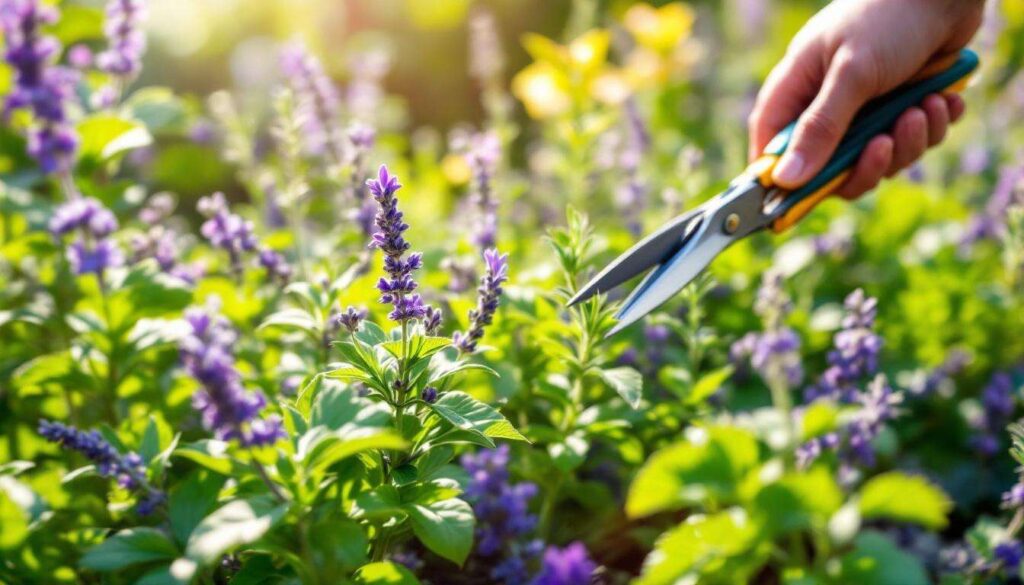
Aromatic herbs like lavender, rosemary, and sage transform gardens with their fragrant foliage and culinary versatility. These Mediterranean natives thrive when given proper attention at the right time, and early spring presents the ideal window for pruning. Trimming these plants before the growing season accelerates encourages vigorous, compact growth and prevents them from becoming woody and unproductive. Understanding the specific needs of each herb ensures a thriving garden filled with lush, aromatic plants that reward gardeners with abundant harvests throughout the season.
Introduction to the benefits of spring pruning of aromatic herbs
Spring pruning serves as a rejuvenation strategy for aromatic herbs that have weathered the dormant winter months. As temperatures rise and daylight increases, plants naturally channel energy into new growth. Strategic trimming at this critical juncture redirects that energy into producing dense, bushy foliage rather than allowing plants to grow tall and leggy.
Physiological advantages of early spring trimming
When gardeners prune aromatic herbs in early spring, they stimulate dormant buds along the stems to activate. This process creates multiple branching points, resulting in fuller plants with greater leaf production. The timing coincides with the plant’s natural growth cycle, minimizing stress while maximizing recovery potential.
- Enhanced air circulation reduces disease susceptibility
- Increased light penetration reaches lower branches
- Improved nutrient distribution throughout the plant structure
- Prevention of woody, unproductive growth patterns
Long-term health implications
Regular spring pruning extends the productive lifespan of aromatic herbs significantly. Plants that receive annual trimming maintain vigorous growth habits for years longer than neglected specimens. This practice prevents the hollow, woody centers that plague older lavender, rosemary, and sage plants, ensuring they remain productive and attractive landscape features.
These physiological benefits directly relate to understanding the specific timing requirements for each herb variety.
Why to prune lavender, rosemary, and sage in spring
The early spring window offers distinct advantages for pruning these three herbs, though each responds to trimming with unique characteristics. Timing considerations account for regional climate variations and the specific growth patterns of Mediterranean plants.
Optimal timing considerations
Early spring pruning should occur after the final frost threat passes but before new growth becomes substantial. This typically falls between late February and early April in most temperate zones. Pruning too early exposes tender new growth to frost damage, while delayed pruning wastes the plant’s energy on growth that will be removed.
| Herb | Ideal Pruning Window | Growth Response Time |
|---|---|---|
| Lavender | Late March to early April | 3-4 weeks |
| Rosemary | Early to mid-March | 2-3 weeks |
| Sage | Mid-March to early April | 2-3 weeks |
Climate-specific adjustments
Gardeners in warmer climates may begin pruning earlier, while those in cooler regions should wait until consistent warming trends establish. Monitoring soil temperature provides reliable guidance, with sustained temperatures above 50°F indicating suitable conditions for pruning activities.
Understanding these timing principles prepares gardeners to apply specific techniques for each herb variety.
Effective techniques for pruning lavender
Lavender requires careful pruning approaches that respect its growth structure while encouraging renewal. The goal involves creating a rounded, compact shape that produces abundant flowering stems.
Identifying the correct cutting points
Successful lavender pruning depends on cutting above the woody base while leaving green growth intact. Lavender rarely regenerates from old wood, making it essential to maintain living tissue throughout the plant. Gardeners should identify the point where woody stems transition to green, flexible growth and make cuts approximately one inch above this junction.
Step-by-step pruning process
Begin by removing any dead or damaged stems completely. Then shape the plant by cutting back approximately one-third of the previous season’s growth. Use sharp, clean pruning shears to make angled cuts that shed water away from the plant center.
- Remove spent flower stalks from the previous season
- Cut back green stems to create a uniform dome shape
- Avoid cutting into thick, brown woody tissue
- Maintain the plant’s natural rounded form
- Clear debris from the plant base to improve air circulation
These lavender-specific techniques differ from the approach required for rosemary’s distinct growth pattern.
Tips for renewing rosemary with pruning
Rosemary tolerates more aggressive pruning than lavender, offering gardeners greater flexibility in shaping and rejuvenating established plants. This hardy herb responds well to strategic cutting that encourages dense, productive growth.
Shaping strategies for upright varieties
Upright rosemary varieties benefit from pruning that maintains their vertical structure while preventing excessive height. Cut back the top third of the plant to encourage lateral branching. Focus on removing leggy stems that extend beyond the desired silhouette, making cuts just above healthy leaf nodes where new growth will emerge.
Managing prostrate and trailing forms
Prostrate rosemary varieties require different attention, with pruning focused on maintaining compact growth and preventing bare patches. Trim back wandering stems to promote density, cutting back to strong lateral branches. Remove any vertical shoots that disrupt the low-growing habit.
| Rosemary Type | Pruning Intensity | Primary Goal |
|---|---|---|
| Upright varieties | Moderate to heavy | Control height, encourage branching |
| Prostrate varieties | Light to moderate | Maintain density, control spread |
Similar principles apply to sage, though this herb presents its own unique pruning requirements.
Knowing how to prune sage for better development
Sage develops a woody base more rapidly than lavender or rosemary, making regular spring pruning essential for maintaining productive plants. Proper technique prevents premature aging while maximizing leaf production.
Addressing woody growth patterns
Mature sage plants often develop thick, woody stems with limited foliage. Spring pruning combats this tendency by cutting back to approximately four inches above ground level. This severe pruning stimulates dormant buds near the base to produce fresh, leafy stems. While this approach appears drastic, sage responds with vigorous regrowth that produces superior culinary leaves.
Selective pruning for younger plants
Younger sage plants require gentler treatment that shapes growth without shocking the plant. Remove approximately one-third of the overall height, focusing on stems that appear weak or poorly positioned. Pinch back growing tips throughout the early growing season to encourage bushier development.
- Cut back to strong, outward-facing buds
- Remove any stems showing winter damage
- Thin crowded growth to improve air circulation
- Shape the plant into a rounded mound
- Avoid leaving tall, isolated stems that will become woody
Proper pruning techniques must be supported by appropriate aftercare to ensure successful recovery and growth.
Post-pruning care to promote growth
The period immediately following spring pruning determines how effectively herbs recover and respond to trimming. Strategic aftercare accelerates recovery while establishing conditions for optimal growth throughout the growing season.
Watering and nutrition requirements
Freshly pruned herbs benefit from consistent moisture without waterlogging. Water deeply but infrequently, allowing soil to dry slightly between waterings. Apply a balanced, slow-release fertilizer or compost around the plant base approximately two weeks after pruning, once new growth becomes visible. Avoid high-nitrogen fertilizers that promote excessive foliage at the expense of essential oils and flavor compounds.
Protection and monitoring strategies
Monitor pruned plants closely for signs of stress or disease. Watch for new growth emerging from cut stems within two to three weeks. If late cold snaps threaten, protect tender new growth with lightweight row covers. Remove any dead material that becomes apparent as new growth develops.
- Mulch lightly around plants to conserve moisture
- Ensure adequate drainage to prevent root rot
- Inspect regularly for pest activity on tender new growth
- Avoid overhead watering that promotes fungal diseases
- Provide stakes or support for top-heavy regrowth
Spring pruning of lavender, rosemary, and sage represents an essential gardening practice that transforms these aromatic herbs from woody, sparse plants into lush, productive specimens. By understanding the specific needs of each herb and timing interventions to coincide with natural growth cycles, gardeners ensure vigorous development throughout the growing season. The techniques outlined provide a framework for successful pruning that respects each plant’s unique characteristics while promoting the dense, bushy growth that maximizes both ornamental appeal and culinary harvest. Combined with appropriate post-pruning care, these practices extend the productive lifespan of aromatic herbs while maintaining their health and vigor for years to come.