

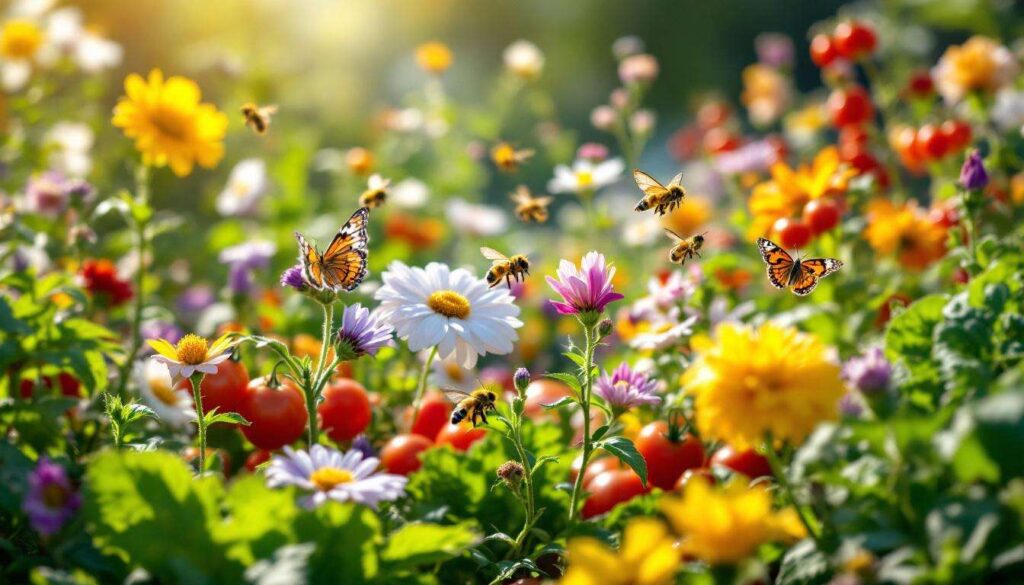
Vegetable gardens face constant challenges from unwanted pests while simultaneously needing beneficial insects for pollination and natural pest control. Finding a single plant that addresses both concerns seems almost too good to be true, yet French marigold (Tagetes patula) stands out as the exceptional solution. This vibrant flowering plant has earned its reputation among experienced gardeners for its remarkable dual action: attracting helpful pollinators and predatory insects while simultaneously repelling destructive pests through its natural chemical compounds. Understanding how to harness these properties can transform your vegetable garden into a thriving, balanced ecosystem.
The miracle plant for your veg patch in 2026
French marigold represents one of the most effective companion plants available to vegetable gardeners. This compact annual produces brilliant orange, yellow, and red blooms throughout the growing season while releasing distinctive aromatic compounds from its foliage and roots. The plant’s effectiveness stems from thiophenes, natural chemicals that interfere with pest behavior and reproduction.
Key characteristics of French marigold
This plant offers multiple advantages that make it indispensable for vegetable cultivation:
- Height ranges from 6 to 18 inches, making it suitable for borders and intercropping
- Continuous blooming from late spring through first frost
- Minimal maintenance requirements with moderate water needs
- Adaptability to various soil types and growing conditions
- Cost-effective seed propagation for large-scale planting
Scientific validation of benefits
| Research Area | Documented Effect | Impact Level |
|---|---|---|
| Nematode reduction | Root exudates suppress populations | 60-90% decrease |
| Aphid deterrence | Scent masking of host plants | Moderate to high |
| Pollinator attraction | Nectar availability for beneficial insects | High |
These scientifically documented benefits explain why experienced gardeners consistently incorporate marigolds into their vegetable gardens. The plant’s multifaceted approach to garden health extends beyond simple pest deterrence to create a more resilient growing environment.
How this plant attracts garden allies
French marigold serves as a magnet for beneficial insects that provide essential services in vegetable gardens. The bright flowers produce accessible nectar and pollen that support various species contributing to garden health and productivity.
Beneficial insects attracted to marigolds
The following helpful creatures regularly visit marigold plantings:
- Hoverflies: adults feed on nectar while larvae consume aphids voraciously
- Ladybugs: both adults and larvae prey on soft-bodied pests
- Lacewings: larvae known as “aphid lions” eliminate substantial pest populations
- Parasitic wasps: lay eggs in pest insects, providing biological control
- Ground beetles: nocturnal predators of slugs and caterpillars
Creating a beneficial insect habitat
Maximizing the attraction of garden allies requires strategic planting and maintenance practices. Plant marigolds in clusters rather than single specimens to create visual targets for flying insects. Allow some flowers to go to seed, providing food sources for beneficial species throughout their life cycles. Avoid pesticide applications near marigold plantings, as chemical treatments eliminate both harmful and helpful insects indiscriminately.
The presence of these beneficial insects naturally leads to improved pest management, creating a foundation for understanding the plant’s direct repellent properties.
Repellent properties against pests
French marigold produces biochemical compounds that actively repel or suppress various garden pests. These natural defenses work through multiple mechanisms, including scent masking, toxic root exudates, and direct chemical deterrence.
Pests effectively managed by marigolds
| Pest Type | Repellent Mechanism | Effectiveness |
|---|---|---|
| Root-knot nematodes | Alpha-terthienyl in roots | Excellent |
| Whiteflies | Aromatic compound confusion | Good |
| Aphids | Scent masking of vegetables | Moderate to good |
| Cabbage worms | Visual and chemical deterrence | Moderate |
| Tomato hornworms | Confusing host plant location | Moderate |
Understanding the nematode connection
The most remarkable aspect of French marigold involves its ability to suppress root-knot nematodes, microscopic worms that devastate vegetable crops. When marigolds grow, their roots release alpha-terthienyl, a compound toxic to these parasites. Planting marigolds as a cover crop or companion significantly reduces nematode populations in subsequent growing seasons, providing long-term soil health benefits.
Successfully implementing these repellent properties requires proper cultivation techniques and strategic placement throughout the garden.
Guide for optimal cultivation and care
Growing French marigold successfully involves straightforward practices accessible to gardeners of all experience levels. These hardy plants tolerate various conditions but perform best when basic requirements are met.
Planting requirements and timing
Start seeds indoors 6-8 weeks before the last expected frost, or direct sow after soil temperatures reach 60°F. Space plants 8-12 inches apart in locations receiving at least six hours of direct sunlight daily. Well-draining soil with moderate fertility produces the best results, though marigolds adapt to less-than-ideal conditions.
Maintenance throughout the season
- Water deeply when soil becomes dry to the touch, typically once or twice weekly
- Deadhead spent blooms regularly to encourage continuous flowering
- Apply thin mulch layer to retain moisture and suppress weeds
- Fertilize sparingly, as excessive nutrients reduce flowering
- Monitor for spider mites during hot, dry periods
Common cultivation mistakes to avoid
Overwatering represents the primary threat to marigold health, causing root rot and fungal diseases. Heavy clay soils require amendment with compost to improve drainage. Planting too early exposes seedlings to frost damage, while excessive shade results in leggy growth and reduced flowering. Crowding plants limits air circulation, increasing disease susceptibility.
Once established with proper care, marigolds work most effectively when thoughtfully positioned among other garden plants.
Harmonious integration with other garden plants
Strategic placement of French marigold throughout the vegetable garden maximizes both its protective and attractive properties. Companion planting principles guide effective integration that benefits multiple crops simultaneously.
Ideal vegetable companions
Certain vegetables particularly benefit from marigold proximity:
- Tomatoes: marigolds deter whiteflies and confuse hornworm moths
- Cucumbers and squash: protection from cucumber beetles and aphids
- Beans and peas: attraction of pollinators while deterring Mexican bean beetles
- Brassicas: reduced cabbage worm and aphid pressure
- Root vegetables: nematode suppression benefits carrots, potatoes, and beets
Planting patterns for maximum effect
Border plantings create protective perimeters around vegetable beds, while intercropping places marigolds directly among vegetable rows. For nematode control, plant marigolds densely in affected areas during the season before growing susceptible crops. Rotate marigold positions annually to distribute soil benefits throughout the garden.
These practical integration strategies contribute to broader environmental benefits that extend beyond individual garden plots.
Ecological impact and sustainable benefits
Incorporating French marigold into vegetable gardens supports environmentally responsible growing practices that reduce reliance on synthetic inputs. This approach aligns with sustainable agriculture principles while maintaining productive harvests.
Reduction in chemical pesticide use
Gardens utilizing marigolds as companion plants typically require significantly fewer pesticide applications. This reduction protects beneficial insects, prevents chemical runoff into water sources, and eliminates pesticide residues on food crops. The cost savings from reduced chemical purchases offset the minimal investment in marigold seeds.
Biodiversity enhancement
Marigold plantings increase garden biodiversity by supporting various beneficial insects, creating more stable ecosystems less susceptible to pest outbreaks. This diversity extends to soil organisms, as marigold roots support beneficial mycorrhizal fungi while suppressing harmful nematodes. Enhanced biodiversity improves overall garden resilience against environmental stresses and disease pressure.
Long-term soil health improvements
Annual marigold incorporation as green manure adds organic matter while providing natural pest suppression. The decomposing plant material enriches soil structure and nutrient content. Multi-year marigold integration demonstrably reduces soil-borne pest populations, creating healthier growing conditions for subsequent crops.
French marigold delivers exceptional value for vegetable gardeners through its proven ability to attract beneficial insects while repelling destructive pests. The plant’s ease of cultivation, minimal maintenance requirements, and multiple mechanisms of action make it an essential component of successful organic gardening. Strategic placement throughout the vegetable garden, combined with proper care practices, harnesses these natural properties to create productive, sustainable growing spaces. The environmental benefits extend beyond individual gardens, contributing to broader ecological health through reduced chemical use and enhanced biodiversity. Incorporating this versatile companion plant represents a simple yet powerful step toward more resilient and productive vegetable cultivation.