


Indoor air quality becomes a pressing concern during winter months when homes remain sealed against the cold. Excess moisture accumulates in poorly ventilated spaces, creating ideal conditions for mold growth that threatens both property and health. While mechanical dehumidifiers offer one solution, budget-conscious homeowners can turn to nature’s own air purifiers. Several affordable houseplants under $10 possess remarkable abilities to absorb excess moisture while adding aesthetic value to living spaces. These botanical allies work silently through transpiration and absorption processes, reducing humidity levels naturally without electricity costs or maintenance fees.
The benefits of plants on indoor humidity
Natural moisture regulation through transpiration
Plants function as biological dehumidifiers through their natural metabolic processes. During photosynthesis, they absorb water through roots and release oxygen while retaining moisture within their tissues. Certain species excel at drawing humidity from surrounding air through their leaves, effectively lowering ambient moisture levels. This transpiration process creates a continuous cycle where plants extract excess water vapor, particularly beneficial in damp basements, bathrooms, and kitchens where mold typically flourishes.
Health advantages beyond humidity control
Beyond moisture management, these botanical companions deliver multiple health benefits:
- Improved air quality through filtration of volatile organic compounds
- Reduced respiratory irritation from mold spores
- Enhanced oxygen production during daylight hours
- Natural stress reduction through biophilic connection
- Better sleep quality in bedrooms with appropriate species
Research demonstrates that maintaining optimal humidity levels between 30-50% prevents mold proliferation while keeping respiratory systems comfortable. Plants contribute to this balance without the harsh chemicals found in commercial solutions.
Economic and environmental considerations
Investing in humidity-absorbing plants offers long-term financial advantages compared to electric dehumidifiers. The initial purchase price remains minimal, typically under $10 per plant, with negligible ongoing costs limited to occasional watering and basic soil amendments. These green solutions consume no electricity, produce no noise, and require no filter replacements. Additionally, they propagate easily, allowing homeowners to expand their collection without additional purchases.
| Solution Type | Initial Cost | Annual Operating Cost | Environmental Impact |
|---|---|---|---|
| Electric Dehumidifier | $150-300 | $50-100 | High energy consumption |
| Houseplants | $5-10 each | $2-5 | Carbon negative |
Understanding these fundamental advantages sets the foundation for selecting specific species that deliver maximum moisture control within budget constraints.
Choosing effective and economical plants
Criteria for moisture-absorbing varieties
Not all houseplants demonstrate equal capacity for humidity absorption. The most effective varieties share specific characteristics that enhance their dehumidifying properties. Look for plants with large leaf surfaces that facilitate greater transpiration rates, dense foliage that increases overall absorption area, and tropical origins indicating adaptation to high-moisture environments. Species with thick, fleshy leaves often store absorbed water efficiently, preventing it from returning to the air.
Budget-friendly purchasing strategies
Savvy shoppers discover affordable plant options through multiple channels:
- Local nurseries offering seasonal clearance sales
- Big-box home improvement stores with garden centers
- Online marketplaces featuring small growers
- Community plant swaps and gardening groups
- Grocery store floral departments with houseplant sections
Purchasing smaller specimens or propagating from cuttings dramatically reduces costs while providing satisfaction from nurturing growth. Many humidity-controlling plants propagate readily in water, allowing one purchase to yield multiple plants within months.
Placement considerations for maximum effectiveness
Strategic positioning amplifies a plant’s dehumidifying impact. Concentrate specimens in areas prone to moisture accumulation such as bathrooms, laundry rooms, and basement spaces. Group multiple plants together to create microclimates that enhance collective moisture absorption. Ensure adequate light reaches each plant according to species requirements, as photosynthetic activity directly correlates with transpiration rates. Proper placement transforms these affordable purchases into hardworking humidity warriors throughout winter months.
With selection criteria established, examining specific species reveals which plants deliver optimal performance for moisture control.
The absorption power of ivy
English ivy’s moisture management capabilities
English ivy (Hedera helix) ranks among the most effective humidity-absorbing houseplants available under $10. This vigorous climber features dense foliage with waxy leaves that actively pull moisture from surrounding air. Studies conducted by horticultural researchers demonstrate that ivy can reduce indoor humidity levels by up to 12% in enclosed spaces, making it particularly valuable in bathrooms and laundry areas where steam accumulates regularly.
Growth habits and care requirements
This versatile plant adapts to various light conditions, thriving in bright indirect light but tolerating lower illumination levels. Ivy prefers consistently moist soil without waterlogging, requiring watering when the top inch of soil feels dry. Temperature tolerance ranges from 50-70°F, making it ideal for cooler rooms where mold typically develops. The trailing growth habit allows creative displays:
- Hanging baskets in high-humidity corners
- Climbing supports near problem moisture areas
- Cascading from shelves above damp zones
- Ground cover in large container arrangements
Additional benefits and precautions
Beyond humidity control, English ivy filters airborne mold spores and other particulates, creating cleaner indoor environments. However, pet owners should note that ivy contains compounds toxic to cats and dogs if ingested. Place specimens out of reach or choose alternative species in homes with curious animals. Regular pruning maintains compact growth and encourages denser foliage, enhancing moisture absorption capacity.
While ivy excels in many situations, another affordable option offers unique advantages for specific environments.
The purifying virtues of the dwarf palm
Bamboo palm’s dual-action benefits
The bamboo palm (Chamaedorea seifrizii), also called dwarf palm, combines exceptional air purification with significant humidity regulation. This compact palm species typically sells for under $10 in small pot sizes and grows slowly, maintaining manageable proportions for years. Its feathery fronds contain numerous leaflets that maximize surface area for moisture absorption while simultaneously filtering formaldehyde, benzene, and trichloroethylene from indoor air.
Ideal growing conditions
Bamboo palms flourish in low to medium light, making them perfect for rooms without abundant natural illumination where mold often thrives unnoticed. These tropical natives prefer consistently moist soil and benefit from occasional misting, which seems counterintuitive but actually helps them process absorbed humidity more efficiently. Maintain temperatures between 65-80°F and provide adequate drainage to prevent root rot.
| Care Aspect | Requirement | Frequency |
|---|---|---|
| Watering | Keep soil moist | 2-3 times weekly |
| Light | Indirect, filtered | Continuous |
| Fertilizing | Balanced liquid feed | Monthly in growing season |
| Misting | Light spray | 2-3 times weekly |
Long-term value and growth potential
As bamboo palms mature, their moisture-absorbing capacity increases proportionally with foliage volume. A single plant purchased for under $10 can grow to several feet tall over time, significantly amplifying its dehumidifying effect. These palms rarely suffer from pest problems and tolerate occasional neglect better than many houseplants, making them ideal for busy households seeking low-maintenance solutions to winter moisture issues.
Another equally affordable option provides different advantages for combating mold in various household locations.
The spider plant: ally against mold
Chlorophytum comosum’s moisture absorption
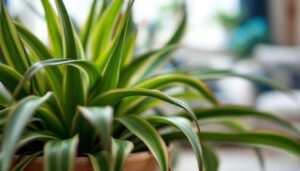
The spider plant represents perhaps the most budget-friendly and resilient option for humidity control. Available at most garden centers for $5-8, this hardy species produces cascading foliage with distinctive white striping that adds visual interest while working tirelessly to reduce moisture levels. Spider plants absorb water through their extensive root systems and release it gradually through transpiration, effectively moderating humidity fluctuations that promote mold growth.
Exceptional adaptability and propagation
Spider plants tolerate a wide range of conditions, surviving in bright indirect light or partial shade, with temperatures from 55-80°F. They forgive inconsistent watering schedules, though they perform best with regular moisture. The most remarkable feature involves their prolific production of plantlets on long stems:
- Each mature plant generates multiple offshoots annually
- Plantlets root easily in water or soil
- One purchase yields dozens of plants within two years
- Sharing propagations builds community connections
- Strategic placement throughout the home multiplies humidity control
Placement strategies for mold prevention
Position spider plants in hanging baskets near ceiling corners where warm, moist air accumulates. Their trailing habit and air-purifying capabilities make them particularly effective in bathrooms, where shower steam creates ideal mold conditions. Place specimens on high shelves in basements and laundry rooms, allowing gravity to assist in drawing humid air through their foliage. The combination of affordability, ease of care, and rapid propagation makes spider plants unmatched for whole-home humidity management on minimal budgets.
Regardless of which species homeowners select, proper maintenance ensures these plants deliver maximum moisture-controlling benefits throughout winter.
Easy maintenance of affordable houseplants
Fundamental care principles
Maintaining humidity-absorbing plants requires minimal effort and expense. Establish a consistent watering schedule based on each species’ needs, checking soil moisture before watering to prevent overwatering that paradoxically increases humidity. Use room-temperature water to avoid shocking root systems, and ensure pots have drainage holes to prevent standing water. Rotate plants quarterly to promote even growth and maximize light exposure on all sides.
Seasonal adjustments for winter conditions
During winter months, houseplant care shifts slightly to accommodate reduced light and heating system effects:
- Decrease watering frequency as growth slows
- Monitor for dry air from heating that may stress plants
- Avoid placing specimens near heat vents or cold drafts
- Reduce fertilization to match dormant growth patterns
- Inspect regularly for pest problems common in dry indoor air
Troubleshooting common issues
Even resilient species occasionally encounter problems that diminish their dehumidifying effectiveness. Yellow leaves typically indicate overwatering or poor drainage, while brown tips suggest insufficient humidity or mineral buildup from tap water. Address these issues promptly by adjusting watering practices or switching to filtered water. Remove dead foliage immediately to prevent fungal problems and maintain aesthetic appeal.
| Problem | Likely Cause | Solution |
|---|---|---|
| Yellow leaves | Overwatering | Reduce watering frequency |
| Brown tips | Low humidity/minerals | Use filtered water |
| Leggy growth | Insufficient light | Move to brighter location |
| Pest infestation | Dry air/stressed plant | Increase humidity, treat organically |
Maximizing long-term performance
Annual repotting into slightly larger containers with fresh potting mix revitalizes moisture-absorbing plants and enhances their capacity to regulate humidity. Prune overgrown specimens to maintain desired shapes and encourage bushier growth with more foliage surface area. Group plants together to create beneficial microclimates where they collectively manage humidity more effectively than isolated specimens. These simple maintenance practices ensure affordable houseplants continue fighting winter mold for years.
Combating winter mold through strategic houseplant placement offers an economical, sustainable alternative to mechanical dehumidifiers. English ivy, bamboo palms, and spider plants each bring unique strengths to humidity management while remaining accessible to budget-conscious households. These botanical allies require minimal investment and maintenance while delivering continuous moisture control throughout cold months when sealed homes trap excess humidity. By selecting appropriate species, positioning them strategically, and providing basic care, homeowners transform living spaces into healthier environments where mold struggles to establish itself. The modest expense of under $10 per plant yields substantial returns in improved air quality, reduced mold risk, and enhanced aesthetic appeal that mechanical solutions cannot match.