

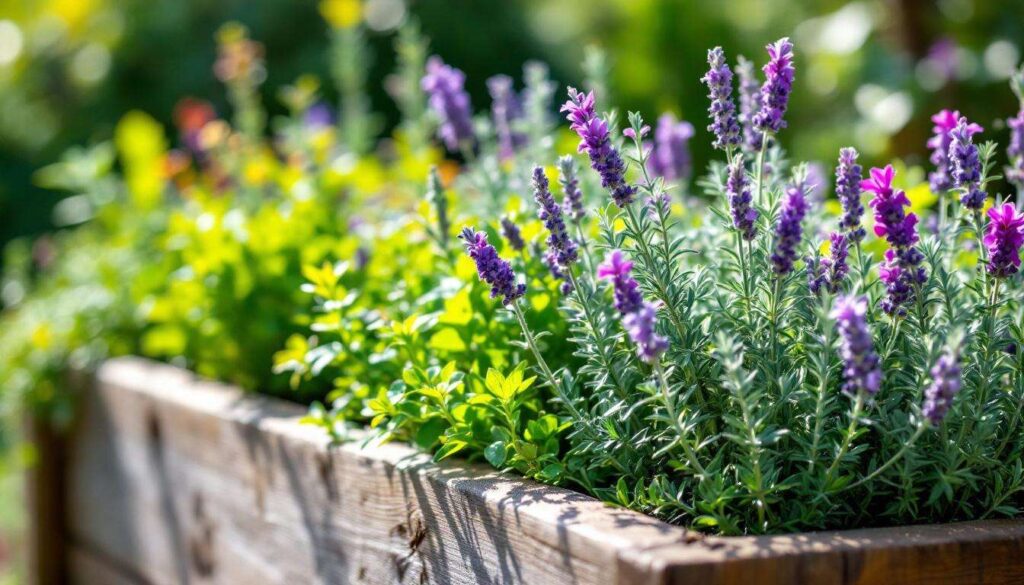
Growing your own herbes de Provence transforms any outdoor space into a fragrant Mediterranean retreat while providing fresh ingredients for your kitchen throughout the seasons. These classic herbs, dominated by thyme, rosemary, and lavender, thrive in raised bed gardens where drainage and soil conditions can be carefully controlled. Whether you’re an experienced gardener or just beginning your journey with homegrown ingredients, cultivating these aromatic plants offers both culinary rewards and visual appeal. The combination of these three essential herbs creates a low-maintenance garden that delivers consistent harvests and fills your outdoor area with intoxicating scents reminiscent of the French countryside.
Introduction to herbes de Provence: benefits and uses
The traditional blend and its origins
Herbes de Provence represents a quintessential French seasoning blend that originated in the southeastern region of France. While commercial versions may include additional herbs like oregano, marjoram, and savory, the core trio of thyme, rosemary, and lavender forms the foundation of this aromatic mixture. These herbs have been cultivated in Provence for centuries, where the Mediterranean climate provides ideal growing conditions. By focusing on these three primary herbs, home gardeners can create an authentic base for this beloved seasoning while keeping their garden manageable and productive.
Health benefits of growing your own herbs
Cultivating herbes de Provence at home offers numerous advantages beyond convenience and cost savings:
- Antioxidant properties: all three herbs contain powerful compounds that support overall health
- Digestive support: thyme and rosemary aid digestion when incorporated into meals
- Stress reduction: lavender’s calming aroma promotes relaxation and mental clarity
- Chemical-free guarantee: home cultivation eliminates concerns about pesticides and preservatives
- Maximum freshness: harvesting minutes before use preserves essential oils and flavor intensity
Culinary applications
These versatile herbs enhance countless dishes across various cuisines. Thyme pairs beautifully with roasted vegetables, poultry, and fish, while rosemary elevates bread, potatoes, and grilled meats. Lavender, though less common in savory cooking, adds sophisticated floral notes to desserts, teas, and even cocktails. The combination works exceptionally well in marinades, compound butters, and slow-cooked stews where the herbs have time to infuse their distinctive flavors throughout the dish.
Understanding these benefits and applications sets the stage for creating your own productive herb garden, starting with selecting the optimal location for your raised bed.
Choosing the right location for your raised bed garden
Sunlight requirements
Mediterranean herbs demand full sun exposure to develop their characteristic flavors and aromatic oils. Position your raised bed where it receives at least six to eight hours of direct sunlight daily. South-facing locations typically provide the most consistent light throughout the growing season. These sun-loving plants struggle in shaded conditions, producing leggy growth with diminished fragrance and flavor. If your yard has limited sunny spots, prioritize herb placement over ornamental plants that tolerate partial shade more readily.
Drainage and soil considerations
Proper drainage ranks as the single most critical factor for successfully growing herbes de Provence. These plants evolved in rocky, well-drained Mediterranean soils and quickly succumb to root rot in waterlogged conditions. Raised beds naturally improve drainage compared to ground-level gardens, but location still matters. Avoid low-lying areas where water pools after rainfall. The ideal spot features a slight slope or naturally well-draining soil beneath the raised bed structure.
Accessibility and practical placement
Consider these practical factors when selecting your raised bed location:
- Kitchen proximity: placing herbs near your cooking space encourages regular harvesting and use
- Water access: ensure a hose or watering can reaches the bed easily during establishment
- Wind protection: some shelter from harsh winds prevents excessive moisture loss
- Visual appeal: position the bed where you’ll enjoy the plants’ beauty and fragrance
- Future expansion: leave space for additional beds if your herb gardening ambitions grow
Once you’ve identified the perfect spot with adequate sunlight and drainage, you’re ready to begin the planting process with proper techniques for each herb variety.
Planting thyme, rosemary, and lavender: practical tips
Preparing your raised bed
Fill your raised bed with a well-draining soil mixture specifically formulated for Mediterranean herbs. Combine equal parts quality potting soil, coarse sand or perlite, and compost to create an ideal growing medium. The sand component ensures excess water drains quickly while the compost provides essential nutrients. Aim for a soil depth of at least twelve inches to accommodate the herbs’ root systems. Before planting, test the drainage by watering thoroughly and observing how quickly moisture percolates through the soil.
Spacing and arrangement strategies
Proper spacing prevents overcrowding and ensures adequate air circulation, which reduces disease pressure. Follow these guidelines for optimal plant placement:
| Herb | Spacing Between Plants | Mature Size | Growth Habit |
|---|---|---|---|
| Thyme | 12-15 inches | 6-12 inches tall | Low, spreading |
| Rosemary | 24-36 inches | 3-5 feet tall | Upright, bushy |
| Lavender | 18-24 inches | 2-3 feet tall | Rounded, mounding |
Position rosemary at the back or center of the bed since it grows tallest, with lavender in the middle tier and thyme along the edges where it can cascade over the sides.
Planting techniques for each herb
Thyme: this herb establishes quickly from transplants or divisions. Plant at the same depth as the nursery container, gently loosening the root ball before setting it in the prepared hole. Water thoroughly after planting but allow the soil to dry between subsequent waterings.
Rosemary: choose young plants rather than attempting seed propagation, which proves unreliable. Remove the bottom third of leaves from the stem and plant slightly deeper than the original container to encourage additional root development along the buried stem portion.
Lavender: select varieties suited to your climate zone, as some types tolerate cold better than others. Plant in late spring after frost danger passes, positioning the crown slightly above soil level to prevent stem rot during wet periods.
With your herbs properly planted and positioned, establishing a consistent care routine ensures they develop into productive, long-lived plants.
Care and maintenance for a thriving herb garden
Watering requirements and techniques
Mediterranean herbs prefer moderate drought conditions once established, making them remarkably low-maintenance. During the first growing season, water newly planted herbs twice weekly, allowing soil to dry between applications. Established plants typically require watering only during extended dry periods. The key principle: underwater rather than overwater. Excessive moisture dilutes essential oils, reduces flavor intensity, and promotes fungal diseases. Check soil moisture by inserting your finger two inches deep; water only when dry at this depth.
Fertilization and soil amendments
These herbs thrive in relatively poor soils and require minimal fertilization. Excessive nutrients, particularly nitrogen, encourage lush foliage growth at the expense of aromatic oil production. Apply a light dressing of compost once annually in early spring. Avoid synthetic fertilizers entirely, as they disrupt the plants’ natural growth patterns. If plants show yellowing leaves or stunted growth, a weak compost tea application provides gentle nutritional support without overwhelming the herbs.
Pruning and shaping techniques
Regular pruning maintains compact, productive plants while preventing woody, unproductive growth:
- Thyme: trim back by one-third after flowering to encourage fresh growth and prevent center dieback
- Rosemary: prune lightly throughout the growing season, removing no more than one-third of growth at a time
- Lavender: cut back spent flower stalks immediately after blooming and shape plants in early spring before new growth emerges
- General maintenance: remove dead, damaged, or diseased stems promptly to maintain plant health
Seasonal considerations and winter protection
Climate zone determines winter care requirements. In mild climates, these herbs remain evergreen and productive year-round with minimal intervention. Gardeners in colder regions should apply a thick mulch layer around plants after the first hard freeze, avoiding direct contact with stems. Rosemary proves least cold-hardy and may require container cultivation in zones below 7, allowing you to bring plants indoors during winter months. Proper seasonal care ensures your herbs survive to provide harvests for years to come.
Maintaining healthy, vigorous plants naturally leads to abundant harvests that require proper techniques to preserve their quality and flavor.
Harvesting and preserving your aromatic herbs
Optimal harvesting times and methods
Timing significantly impacts herb flavor and potency. Harvest in mid-morning after dew evaporates but before intense afternoon heat diminishes essential oil concentration. For maximum flavor, collect herbs just before flowering when oil content peaks. Use sharp, clean scissors or pruning shears to make clean cuts that heal quickly. Never remove more than one-third of a plant’s growth during a single harvest, allowing sufficient foliage to remain for continued photosynthesis and vigor.
Drying techniques for long-term storage
Proper drying preserves herb quality and prevents mold development during storage:
- Air drying: bundle stems together and hang upside down in a dark, well-ventilated space for two to three weeks
- Screen drying: spread individual leaves on mesh screens in a single layer, turning occasionally until completely crisp
- Oven drying: arrange herbs on baking sheets at the lowest temperature setting, checking frequently to prevent scorching
- Dehydrator method: use herb-specific settings for consistent, efficient drying with minimal flavor loss
Store completely dried herbs in airtight glass containers away from light and heat. Properly dried and stored herbes de Provence maintain potency for up to one year.
Freezing and other preservation methods
Freezing offers an alternative that better preserves color and certain flavor compounds. Chop fresh herbs finely and pack into ice cube trays, covering with olive oil or water before freezing. These herb cubes add instant flavor to soups, sauces, and sautéed dishes. Another option involves freezing whole sprigs on baking sheets before transferring to freezer bags for long-term storage. Herb-infused oils, vinegars, and butters provide additional preservation methods that create ready-to-use flavor enhancers for various culinary applications.
With preserved herbs readily available in your pantry, exploring creative ways to incorporate them into everyday cooking becomes an enjoyable culinary adventure.
Recipes and ideas to enjoy herbs year-round
Classic herbes de Provence blend
Create your signature blend by combining dried herbs in these proportions: three parts thyme, two parts rosemary, and one part lavender. Crush the mixture lightly to release aromatic oils, then store in an airtight container. This versatile seasoning enhances roasted chicken, grilled vegetables, focaccia bread, and tomato-based sauces. The homemade version surpasses commercial blends in freshness and allows customization to suit your taste preferences.
Savory applications
Incorporate your homegrown herbs into these delicious preparations:
- Herb-crusted proteins: press fresh thyme and rosemary onto lamb chops, pork tenderloin, or salmon fillets before roasting
- Infused oils: steep herbs in quality olive oil for two weeks to create flavorful finishing oils for salads and pasta
- Compound butters: blend softened butter with minced herbs for spreading on bread or melting over grilled steaks
- Roasted vegetables: toss root vegetables with olive oil and fresh herbs before roasting until caramelized
- Marinades: combine herbs with citrus juice, garlic, and oil for tenderizing and flavoring meats
Sweet and beverage creations
Lavender particularly shines in desserts and drinks. Infuse cream with lavender buds for panna cotta or ice cream bases. Add a small amount to shortbread cookie dough for sophisticated afternoon treats. Create refreshing beverages by steeping herbs in hot water for tea or muddling them into cocktails and mocktails. Lavender lemonade offers a refreshing summer drink, while rosemary simple syrup elevates gin-based cocktails with herbaceous complexity.
Growing herbes de Provence at home connects you with centuries of culinary tradition while providing fresh, flavorful ingredients that elevate everyday cooking. The combination of thyme, rosemary, and lavender in a raised bed garden offers year-round harvests with minimal maintenance requirements. These hardy Mediterranean herbs thrive in well-drained soil and full sun, rewarding gardeners with abundant aromatic foliage perfect for both immediate use and long-term preservation. Whether you’re seasoning a simple roasted chicken or crafting sophisticated herb-infused creations, your homegrown harvest delivers unmatched freshness and flavor that transforms ordinary meals into memorable culinary experiences.