

Hedge trimming in early March represents a critical window for garden maintenance that balances plant health with wildlife protection. This timing allows homeowners to shape their hedges before the spring nesting season begins while encouraging vigorous new growth. Proper pruning during this period not only creates denser, more attractive foliage but also demonstrates responsible stewardship of the birds that depend on hedgerows for shelter and breeding sites. Understanding the techniques and timing of early spring hedge maintenance can transform ordinary hedges into thriving privacy screens that support local ecosystems.
Importance of trimming before spring
Optimal growth stimulation
Early March pruning takes advantage of dormancy periods when plants conserve energy in their root systems rather than their branches. Cutting hedges during this time triggers a biological response that redirects stored nutrients toward producing new shoots once temperatures rise. This strategic timing results in bushier growth patterns that fill gaps and create uniform hedge surfaces throughout the growing season.
The physiological benefits of pre-spring trimming include:
- Reduced stress on plants compared to cutting during active growth phases
- Minimized sap loss that can weaken hedge vitality
- Enhanced lateral branching that increases foliage density
- Improved light penetration to lower branches that prevents bare spots
- Stronger structural development before summer heat arrives
Disease prevention advantages
Trimming before the spring flush of growth helps prevent fungal diseases that thrive in warm, humid conditions. Fresh cuts made in early March heal faster in cooler temperatures with less risk of infection. The lower humidity levels typical of late winter reduce pathogen activity, allowing pruning wounds to callus over before disease pressure increases. This proactive approach protects hedge health throughout the year and reduces the need for chemical interventions.
| Trimming Period | Disease Risk | Healing Time | Growth Response |
|---|---|---|---|
| Early March | Low | 2-3 weeks | Vigorous |
| Late Spring | High | 4-6 weeks | Moderate |
| Summer | Very High | 6-8 weeks | Weak |
These advantages make early March the preferred time for major hedge shaping projects, setting the foundation for healthy growth patterns that extend well beyond the immediate season.
Protecting birds during trimming
Nesting season awareness
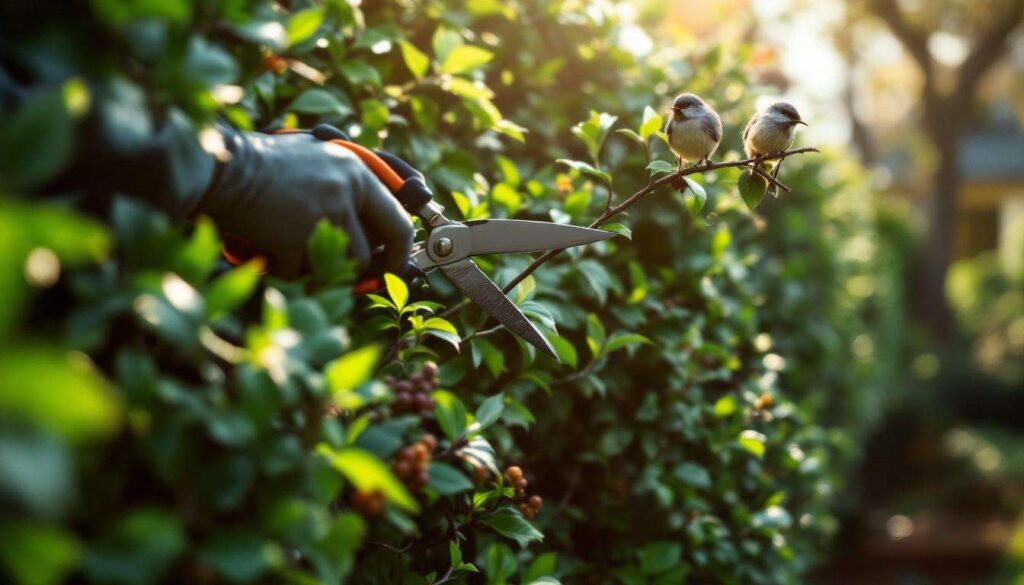
Birds typically begin nest construction between mid-March and August, with peak activity starting as temperatures warm. Trimming hedges before this critical period prevents the destruction of active nests and avoids disturbing breeding pairs that have already established territories. This timing consideration aligns with wildlife protection laws in many regions that prohibit hedge cutting during nesting season, making early March compliance both ethical and legally sound.
Pre-trimming inspection protocols
Before beginning any hedge work, conducting a thorough visual inspection helps identify early nesting activity. Some bird species, particularly resident populations, may start nest building earlier than expected during mild winters. Walking the entire hedge length and examining dense sections for nest materials, accumulated twigs, or bird activity provides essential information for responsible trimming decisions.
Effective inspection includes:
- Checking from multiple angles to spot concealed nests
- Listening for alarm calls that indicate nearby nesting sites
- Looking for fresh droppings or feathers that signal occupancy
- Examining the hedge base for ground-nesting species
- Postponing work if any nesting evidence appears
Creating wildlife-friendly hedge structures
Even when trimming at appropriate times, maintaining habitat value requires thoughtful cutting patterns. Leaving some sections slightly longer or creating varied hedge heights provides diverse nesting opportunities for different bird species. This approach balances aesthetic preferences with ecological responsibility, ensuring hedges continue serving as valuable wildlife corridors while meeting landscape maintenance goals.
Understanding these protective measures ensures that hedge maintenance supports rather than harms local bird populations, creating gardens that thrive alongside the wildlife they shelter.
Pruning techniques for dense foliage
The tapered cutting method
Creating hedges with a slightly tapered profile where the base is wider than the top ensures sunlight reaches lower branches. This technique prevents the common problem of bare, woody growth at ground level while promoting dense foliage from top to bottom. The ideal taper angle ranges from 10 to 15 degrees, subtle enough to maintain formal appearance while providing significant growth benefits.
Strategic branch removal
Dense hedge growth requires selective thinning alongside surface trimming. Removing some interior branches improves air circulation and light penetration, which paradoxically encourages bushier exterior growth. This process involves cutting back select branches to their point of origin rather than simply shearing the hedge surface, creating space for new shoots to develop vigor.
Key thinning principles include:
- Removing no more than one-quarter of interior branches annually
- Targeting crossing or rubbing branches first
- Cutting dead wood back to healthy tissue
- Maintaining natural growth patterns specific to hedge species
- Avoiding excessive thinning that creates gaps
Equipment selection for clean cuts
Sharp, appropriate tools make critical differences in hedge response to pruning. Clean cuts heal faster and stimulate more productive growth than ragged tears from dull blades. Manual hedge shears work best for small hedges and detail work, while electric or gas-powered trimmers handle larger projects efficiently. Regardless of tool choice, blade sharpness determines cutting quality and ultimately affects foliage density.
| Tool Type | Best For | Cut Quality | Maintenance Need |
|---|---|---|---|
| Manual Shears | Small hedges, precision work | Excellent | Moderate |
| Electric Trimmer | Medium hedges, residential use | Good | Low |
| Gas Trimmer | Large hedges, professional work | Good | High |
These technical approaches transform basic hedge cutting into a horticultural practice that produces superior results, creating the foundation for lush, healthy hedgerows that improve with each growing season.
Choosing the right time to trim
Weather condition considerations
Within the early March window, selecting specific weather conditions optimizes trimming outcomes. Dry days with moderate temperatures between 40 and 60 degrees Fahrenheit provide ideal circumstances for both worker comfort and plant response. Avoiding frost periods prevents cold damage to fresh cuts, while steering clear of wet conditions reduces disease transmission through pruning tools and minimizes mud compaction around hedge bases.
Species-specific timing variations
Different hedge species have varying dormancy periods and growth initiation times that affect optimal pruning windows. Deciduous hedges like privet and beech tolerate aggressive early March pruning, while some evergreens prefer slightly later timing. Understanding these species-specific requirements prevents accidental damage and maximizes the density-promoting benefits of pre-spring trimming.
Timing guidelines by common hedge types:
- Privet and hornbeam: early to mid-March for major shaping
- Boxwood: late February through early March before new growth
- Yew and holly: early March, avoiding extreme cold snaps
- Laurel: mid to late March as temperatures stabilize
- Conifer hedges: late March to early April for best results
Frequency planning for maintenance cycles
The early March trim establishes the foundation for annual hedge maintenance schedules. Most formal hedges benefit from a second light trimming in mid-summer to maintain shape, while informal hedges may require only the spring cut. Planning this maintenance frequency based on hedge growth rate and desired formality helps homeowners allocate time and resources effectively throughout the growing season.
Proper timing decisions create the framework for successful hedge management that aligns plant biology with practical maintenance schedules and wildlife protection priorities.
Tips for maintaining your hedges
Post-trimming care essentials
After completing early March pruning, applying appropriate aftercare accelerates recovery and promotes the desired dense growth response. A balanced fertilizer application provides nutrients for new shoot development, while a layer of organic mulch conserves moisture and moderates soil temperature. These supportive measures help hedges transition from dormancy to active growth with minimal stress.
Essential post-trim maintenance includes:
- Applying slow-release fertilizer at manufacturer-recommended rates
- Watering deeply if spring rainfall proves insufficient
- Spreading 2-3 inches of mulch around hedge bases
- Removing trimming debris to prevent pest harboring
- Monitoring for signs of stress or disease in following weeks
Long-term hedge health strategies
Sustainable hedge maintenance extends beyond annual trimming cycles to include soil management, pest monitoring, and structural assessment. Testing soil pH every few years ensures hedges receive nutrients in available forms, while regular inspection for pest damage allows early intervention before problems escalate. This holistic approach maintains hedge vigor that supports dense foliage production year after year.
Record keeping for improved results
Documenting trimming dates, weather conditions, and subsequent growth responses creates valuable reference information for future maintenance decisions. Simple notes about which sections grew most vigorously or where gaps developed help refine techniques over time. This observational practice transforms routine hedge care into an evolving skill that produces increasingly better results with each passing season.
Garden maintenance represents an ongoing commitment where early March hedge trimming serves as a cornerstone practice. The combination of proper timing, wildlife-conscious methods, and density-promoting techniques creates hedges that fulfill both aesthetic and ecological functions. Sharp tools, appropriate weather selection, and consistent aftercare transform basic pruning into a horticultural practice that yields increasingly impressive results. By respecting nesting seasons while maximizing growth responses, homeowners develop hedgerows that provide privacy, beauty, and habitat value throughout the year. These practices establish sustainable maintenance patterns that improve hedge health and appearance with each successive growing season.