

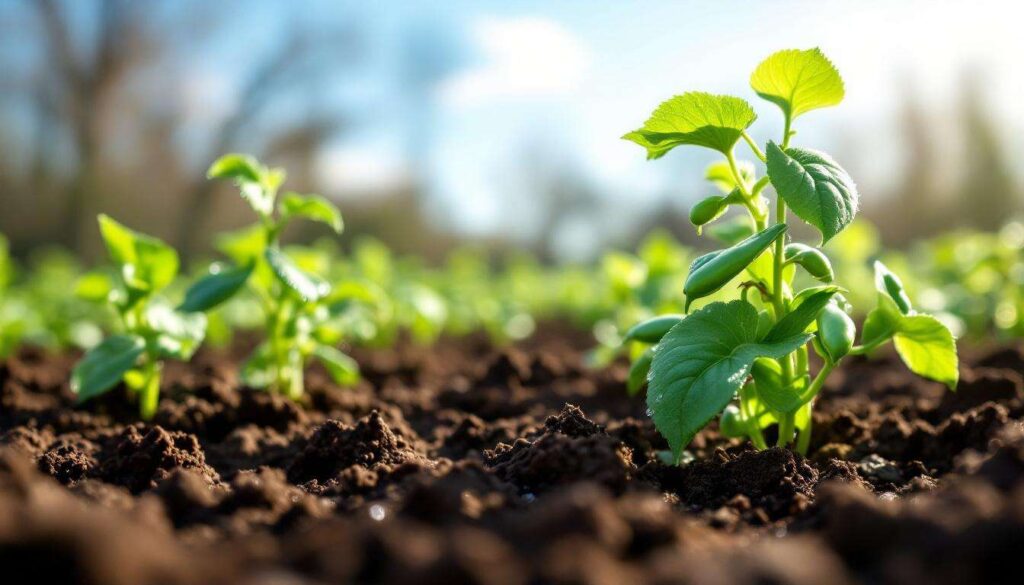
As spring temperatures rise and frost danger passes, gardeners eagerly anticipate the planting season for warm-weather crops. Green beans and green peas stand among the most rewarding legumes to cultivate, offering fresh produce throughout summer while enriching soil with nitrogen. These versatile vegetables thrive when direct-sown into prepared beds once soil temperatures reach appropriate levels in April, making them ideal choices for both novice and experienced gardeners seeking reliable harvests.
Preparing the soil for green bean and pea sowing
Testing soil temperature and drainage
Successful germination of green beans and peas depends heavily on proper soil conditions. Before sowing, check that soil temperature has reached at least 50°F for peas and 60°F for green beans. Use a soil thermometer inserted two inches deep to obtain accurate readings during mid-morning hours. Poor drainage can lead to seed rot, so assess water movement by digging a test hole and filling it with water to observe drainage patterns.
Amending and enriching the planting area
Legumes require well-draining, moderately fertile soil with a pH between 6.0 and 7.0. Several weeks before planting, incorporate the following amendments:
- Aged compost at two to three inches depth for organic matter
- Bone meal or rock phosphate for phosphorus content
- Greensand or kelp meal for trace minerals
- Lime if soil tests reveal acidic conditions below 6.0
Avoid excessive nitrogen fertilizers, as legumes fix their own nitrogen through symbiotic relationships with soil bacteria. Over-fertilization promotes leafy growth at the expense of pod production.
Creating proper bed structure
Form raised rows or beds approximately four to six inches high to improve drainage and warm soil more quickly in spring. Space rows 18 to 24 inches apart for bush varieties and 30 to 36 inches for pole beans. Rake the surface smooth, removing rocks and debris that might impede seedling emergence. The prepared bed should have a fine, crumbly texture that allows easy seed placement and root penetration.
With soil properly prepared and warmed, selecting appropriate varieties becomes the next critical decision for garden success.
Choosing the right varieties for your garden
Bush versus pole bean options
Green beans come in two primary growth habits, each offering distinct advantages. Bush beans grow compactly, reaching 18 to 24 inches tall without support structures, and produce concentrated harvests over two to three weeks. Popular bush varieties include Provider, Contender, and Blue Lake Bush. Pole beans climb six to eight feet on trellises or poles, producing continuously throughout the growing season and maximizing vertical garden space. Kentucky Wonder, Blue Lake Pole, and Fortex represent reliable pole varieties.
Pea variety selection considerations
Peas offer three distinct types suited to different culinary uses:
| Pea Type | Characteristics | Recommended Varieties |
|---|---|---|
| Shelling Peas | Removed from pods before eating | Green Arrow, Lincoln, Wando |
| Snap Peas | Edible pods with full peas inside | Sugar Snap, Super Sugar Snap |
| Snow Peas | Flat pods harvested before peas develop | Oregon Sugar Pod, Mammoth Melting |
Climate and disease resistance factors
Select varieties bred for regional climate conditions and common disease pressures. Heat-tolerant bean varieties like Jade and Provider perform well in warmer zones, while peas such as Wando tolerate temperature fluctuations better than standard varieties. Check seed catalogs for resistance to powdery mildew, bean mosaic virus, and fusarium wilt, which commonly affect legumes in various growing regions.
Armed with suitable varieties, proper sowing techniques ensure strong germination and establishment.
Direct sowing techniques in April
Timing considerations for your region
April planting schedules vary significantly by USDA hardiness zone and local microclimates. In zones 7 and warmer, early April typically provides suitable conditions for peas, while green beans follow two to three weeks later. Gardeners in zones 5 and 6 should wait until mid to late April for peas and early May for beans. Monitor ten-day weather forecasts to avoid sowing immediately before cold snaps that could damage emerging seedlings.
Proper seed placement and spacing
Follow these specific sowing guidelines for optimal results:
- Plant pea seeds one inch deep and two inches apart in rows
- Sow bush bean seeds one inch deep and three to four inches apart
- Place pole bean seeds one inch deep with four to six inches between plants
- Firm soil gently over seeds to ensure good seed-to-soil contact
- Water thoroughly but gently to avoid displacing seeds
Inoculation for improved nitrogen fixation
Treating seeds with rhizobium inoculant before planting enhances nitrogen-fixing capabilities, particularly in beds where legumes have not grown previously. This powdered bacterial culture costs little and significantly improves plant vigor. Moisten seeds slightly, dust with inoculant powder, and plant immediately. Store unused inoculant in cool, dark conditions for future plantings.
Once seeds are in the ground, attentive care during early growth stages determines harvest success.
Caring for young plants for optimal growth
Watering requirements and techniques
Maintain consistent soil moisture during germination and early growth without waterlogging. Young legumes require approximately one inch of water weekly, delivered through deep, infrequent watering rather than shallow daily applications. Drip irrigation or soaker hoses provide ideal moisture delivery, keeping foliage dry and reducing disease pressure. Mulch with two to three inches of straw or shredded leaves once plants reach four inches tall to conserve moisture and suppress weeds.
Support structures for climbing varieties
Install trellises, poles, or netting for pole beans and tall pea varieties when plants reach six inches in height. Common support options include:
- Bamboo teepees with six to eight poles tied at the top
- Cattle panel arches creating walk-through tunnels
- String trellises attached to sturdy posts
- Wire mesh fencing secured to wooden frames
Pest and disease management strategies
Monitor regularly for common legume pests including aphids, Mexican bean beetles, and pea weevils. Hand-pick larger insects during morning inspections when they move slowly. Apply insecticidal soap for aphid infestations, covering leaf undersides thoroughly. Row covers provide excellent protection during vulnerable seedling stages while allowing light and water penetration. Remove and destroy plants showing signs of viral diseases or severe fungal infections to prevent spread to healthy specimens.
With proper care established, attention turns to maximizing and preserving the harvest.
Harvesting and preserving your garden legumes
Determining optimal harvest timing
Green beans reach peak quality when pods snap crisply and seeds remain small inside, typically 50 to 60 days after sowing. Harvest every two to three days to encourage continued production and prevent over-mature pods. Peas require more specific timing: shell peas when pods feel full and rounded, snap peas when pods are plump but before peas bulge noticeably, and snow peas when pods are flat with barely visible peas inside.
Proper harvesting techniques
Use both hands when picking to avoid damaging plants or dislodging shallow roots. Hold the stem with one hand while gently pulling pods with the other. Harvest during morning hours after dew dries but before heat builds, when pods contain maximum moisture and flavor. Collect beans and peas in breathable containers rather than sealed plastic bags to prevent moisture accumulation and spoilage.
Storage and preservation methods
Fresh legumes maintain quality for several days when stored properly. Refrigerate unwashed beans and peas in perforated plastic bags in the crisper drawer. For longer-term storage, consider these preservation techniques:
| Method | Preparation | Storage Duration |
|---|---|---|
| Blanching and Freezing | Blanch 3 minutes, cool, freeze in portions | 8-12 months |
| Pressure Canning | Process in pressure canner per USDA guidelines | 12-18 months |
| Dehydrating | Blanch, dry at 125°F until brittle | 6-12 months |
Growing green beans and peas through direct sowing in April provides gardeners with nutritious, homegrown produce while improving soil health through natural nitrogen fixation. Success depends on proper soil preparation, variety selection matched to regional conditions, correct sowing techniques, and attentive care during growth stages. By following these proven practices and harvesting at peak maturity, gardeners can enjoy abundant legume harvests throughout the growing season while building skills for future vegetable gardening endeavors.