

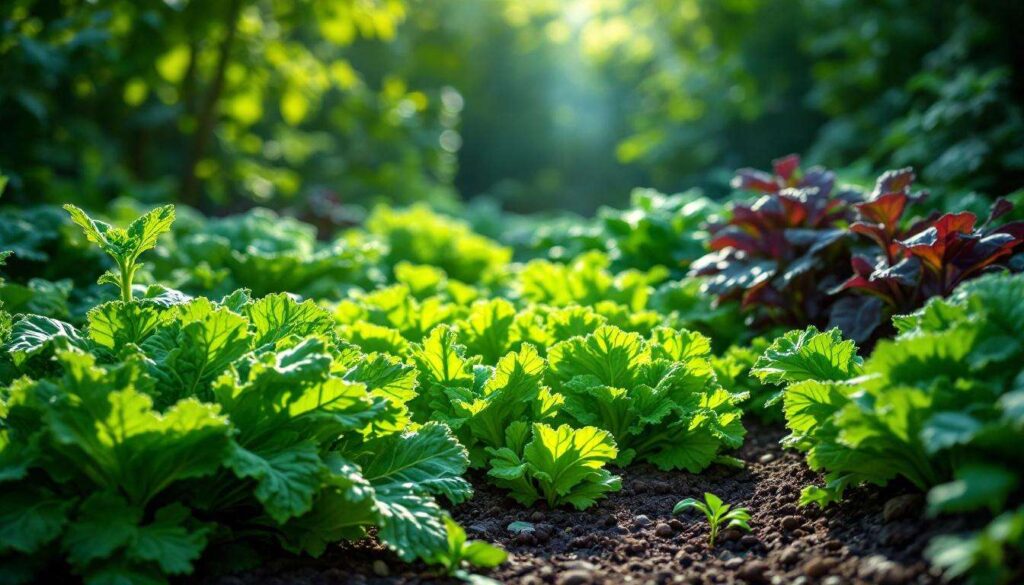
Many gardeners assume that a productive vegetable patch requires full sun exposure throughout the day. However, numerous vegetables thrive in partial shade or dappled sunlight, making them perfect candidates for gardens with limited sun exposure. Whether your garden is surrounded by tall trees, bordered by buildings, or simply receives fewer than six hours of direct sunlight daily, you can still cultivate a bountiful harvest. Understanding which vegetables tolerate shade and how to maximize their potential transforms a seemingly challenging growing space into a productive garden area. The key lies in selecting the right varieties and providing appropriate care tailored to lower light conditions.
Shade-tolerant vegetables: a smart choice for your garden
Understanding shade levels in your garden
Before selecting vegetables for your shady patch, it is essential to assess the type of shade your garden receives. Partial shade typically means the area gets three to six hours of sunlight daily, while full shade indicates fewer than three hours. Dappled shade occurs when sunlight filters through tree canopies, creating a constantly shifting light pattern. Most shade-tolerant vegetables perform best in partial shade rather than complete darkness, as they still require some light for photosynthesis and growth.
Why some vegetables tolerate shade better than others
Vegetables that naturally grow in cooler climates or originate from forest understories have adapted to lower light conditions. Leafy greens and brassicas, for instance, evolved in environments where they competed with taller plants for sunlight. These vegetables prioritize leaf production over fruit development, which requires less energy and therefore less intense sunlight. Understanding this biological adaptation helps gardeners make informed choices about which crops to plant in shadier locations.
- Leafy vegetables require less energy for growth than fruiting plants
- Root vegetables can tolerate shade as their edible parts develop underground
- Cool-season crops naturally prefer less intense sunlight
- Shade can actually prevent bolting in heat-sensitive vegetables
Recognizing these advantages sets the foundation for understanding how reduced sunlight can actually benefit certain vegetable varieties.
Benefits of slow-growing vegetables lacking sunlight
Extended harvest periods and improved flavor
Vegetables grown in shade typically develop at a slower pace compared to their sun-grown counterparts, but this gradual growth offers distinct advantages. The reduced growth rate allows plants to concentrate nutrients and develop more complex flavors. Lettuce and spinach grown in partial shade often taste less bitter and remain tender for longer periods before bolting. This extended harvest window provides gardeners with a steady supply of fresh produce rather than an overwhelming abundance that arrives all at once.
Reduced water requirements and heat stress
Shaded areas naturally retain moisture longer than sun-exposed locations, which translates to reduced watering needs. Plants in these conditions experience less evapotranspiration, meaning they lose less water through their leaves. This moisture retention creates a more stable growing environment and reduces the risk of heat stress during warm weather. For gardeners in regions with water restrictions or those seeking to conserve resources, shade-grown vegetables offer an environmentally friendly solution.
| Growing Condition | Full Sun | Partial Shade |
|---|---|---|
| Watering Frequency | Daily or twice daily | Every 2-3 days |
| Bolting Risk | High in hot weather | Significantly reduced |
| Leaf Tenderness | Can become tough | Remains tender longer |
These practical benefits make shade gardening not just viable but often preferable for specific crops, particularly during warmer months.
Spinach: a tasty solution for shaded areas
Why spinach thrives in partial shade
Spinach ranks among the most shade-tolerant vegetables available to home gardeners. This leafy green actually prefers cooler conditions and benefits from protection against intense afternoon sun. In full sun, spinach quickly bolts when temperatures rise, sending up flower stalks and turning leaves bitter. Partial shade extends the productive period significantly, allowing for multiple harvests from the same planting. The reduced light intensity encourages leaf production rather than reproductive growth, which is exactly what gardeners seek from this crop.
Best practices for growing spinach in shade
To maximize spinach production in shaded areas, gardeners should focus on soil preparation and consistent moisture. Enriching the soil with compost provides the nutrients spinach needs to compensate for reduced photosynthesis. Succession planting every two weeks ensures a continuous harvest throughout the growing season. Choose varieties specifically bred for shade tolerance or slow-bolting characteristics for optimal results.
- Plant seeds directly in soil enriched with organic matter
- Maintain consistent soil moisture without waterlogging
- Harvest outer leaves regularly to encourage continued production
- Consider varieties like Bloomsdale or Space for shade tolerance
With proper care, spinach becomes a reliable producer in gardens where other vegetables might struggle, making it an ideal starting point for shade gardening.
Growing lettuce in the shade for guaranteed success
Lettuce varieties that excel without full sun
Lettuce represents perhaps the most versatile shade-tolerant vegetable for home gardens. Loose-leaf varieties particularly thrive in partial shade, producing tender, flavorful leaves throughout the growing season. Romaine, butterhead, and oak-leaf types all perform admirably with just three to four hours of sunlight daily. The cooler conditions in shaded areas prevent the bitterness that often develops in sun-stressed lettuce, resulting in sweeter, more palatable greens.
Preventing common lettuce problems in low-light conditions
While lettuce tolerates shade well, gardeners must address specific challenges associated with reduced sunlight. Air circulation becomes crucial in shaded, potentially damp environments to prevent fungal diseases. Spacing plants appropriately and avoiding overhead watering helps minimize disease pressure. Additionally, slug and snail populations often increase in shaded areas, requiring vigilant monitoring and control measures.
| Lettuce Type | Shade Tolerance | Days to Maturity |
|---|---|---|
| Loose-leaf | Excellent | 45-55 days |
| Butterhead | Very good | 55-65 days |
| Romaine | Good | 60-70 days |
These considerations ensure healthy lettuce production even in challenging light conditions, leading naturally to other members of the brassica family that share similar shade tolerance.
Cabbages and Brassica family vegetables without full sun
Kale and collards: shade-loving nutritional powerhouses
Members of the brassica family demonstrate remarkable adaptability to partial shade, with kale and collards leading the pack. These nutrient-dense vegetables actually develop sweeter flavors when grown in cooler, shadier conditions. Kale becomes less bitter and more tender, while collards remain productive well into late autumn. Both vegetables tolerate frost, making them ideal for extending the harvest season in shaded areas that remain cool longer into spring and warm up more slowly in fall.
Growing broccoli and cauliflower in reduced sunlight
While broccoli and cauliflower require more sunlight than leafy brassicas, they still produce acceptable yields in partial shade conditions. These vegetables benefit from morning sun exposure, which provides energy for head formation while afternoon shade protects them from heat stress. Gardeners should expect smaller heads and slightly longer maturation times, but the quality often surpasses sun-grown specimens due to reduced stress.
- Kale produces continuously when harvested leaf-by-leaf
- Brussels sprouts develop sweeter flavor after light frost exposure
- Cabbage forms solid heads even with reduced sunlight
- Bok choy and Asian greens thrive in dappled shade
The versatility of brassicas in shade makes them essential components of any low-light vegetable garden, complementing other leafy greens like chard.
The advantages of planting chard in the shade
Why chard outperforms in partial shade
Swiss chard stands out as an exceptionally productive shade-tolerant vegetable that deserves wider recognition among home gardeners. This colorful green produces abundantly throughout the growing season, tolerating both heat and cold better than many alternatives. In partial shade, chard develops vibrant stem colors and tender leaves while avoiding the toughness that can occur in full sun. The plant’s deep root system allows it to access moisture and nutrients even in competitive shaded environments beneath trees.
Maximizing chard production in low-light areas
To achieve optimal results with shade-grown chard, gardeners should focus on variety selection and harvest techniques. Rainbow or Bright Lights varieties provide visual interest while producing reliably in reduced light. Harvesting outer leaves regularly encourages continuous production and prevents plants from becoming overgrown. Chard tolerates neglect better than most vegetables, making it ideal for gardeners who cannot provide daily attention to their shaded plots.
- Plant chard in spring or late summer for extended harvests
- Remove only outer leaves to maintain plant productivity
- Mulch around plants to retain moisture in shaded conditions
- Expect slower but steadier growth compared to sun-grown plants
Shady vegetable patches need not be unproductive spaces. By selecting appropriate vegetables like spinach, lettuce, brassicas, and chard, gardeners transform challenging growing areas into valuable food-producing zones. These shade-tolerant crops offer extended harvest periods, reduced water requirements, and often superior flavor compared to their sun-stressed counterparts. Success in shade gardening requires understanding light conditions, choosing suitable varieties, and adjusting care practices to accommodate slower growth rates. With proper planning and attention to these shade-loving vegetables, even the most light-challenged garden spaces can contribute meaningfully to the home harvest throughout the growing season.