


Gardeners across the country face an ongoing battle with one of nature’s most persistent pests: slugs. These slimy invaders can decimate vegetable patches, flower beds, and ornamental plants overnight, leaving behind telltale trails of destruction and frustration. While chemical solutions flood the market, many environmentally conscious gardeners seek natural alternatives that protect both their plants and the ecosystem. One surprisingly simple method has gained traction among experienced horticulturists: using ordinary wooden planks as strategic traps. This low-cost, chemical-free approach harnesses slug behavior to create an effective control system that requires minimal effort yet delivers impressive results.
Understanding the problem of garden slugs
The scope of slug damage in home gardens
Slugs represent a significant threat to garden productivity, particularly during wet seasons when their populations explode. These mollusks feed primarily at night, consuming tender seedlings, lettuce leaves, hostas, and ripening fruits. A single slug can consume up to 40% of its body weight in plant material each night, and with populations often numbering in the hundreds per garden, the cumulative damage becomes substantial. The problem intensifies because slugs reproduce rapidly, with each individual laying between 20 and 100 eggs multiple times throughout the growing season.
Why traditional methods often fall short
Conventional slug control methods present various challenges for gardeners:
- Chemical pellets pose risks to pets, wildlife, and beneficial insects
- Beer traps require frequent refilling and attract slugs from neighboring areas
- Copper barriers prove expensive for larger gardens
- Hand-picking demands time and tolerance most gardeners lack
- Salt applications damage soil structure and harm plants
These limitations have driven gardeners to explore alternative approaches that balance effectiveness with environmental responsibility and practical implementation. The wooden plank method addresses these concerns while capitalizing on natural slug behavior patterns.
Why wooden planks are effective
The science behind slug attraction to wood
Slugs seek dark, moist environments during daylight hours to avoid desiccation and predators. Wooden planks create ideal refuge conditions that exploit this biological imperative. When placed on soil, planks trap moisture underneath while blocking sunlight, generating the cool, damp microclimate slugs instinctively seek. The rough texture of wood also provides grip for their muscular foot, making the underside particularly attractive. This natural attraction transforms ordinary lumber into highly effective collection points where slugs congregate predictably.
Advantages over commercial solutions
| Feature | Wooden Planks | Chemical Pellets | Beer Traps |
|---|---|---|---|
| Cost | Nearly free | $15-25/season | $10-20/season |
| Environmental impact | Zero | Moderate to high | Low |
| Pet safety | Completely safe | Potentially toxic | Safe |
| Maintenance | Daily checks | Weekly application | Daily refilling |
The wooden plank method requires no ongoing purchases, produces no waste, and allows gardeners to control slug populations without introducing chemicals into their growing environment. This approach also enables precise monitoring of infestation levels, providing valuable data about population trends and control effectiveness.
Understanding the trap mechanism
The method functions as a concentrator rather than a killer, gathering slugs in predictable locations where removal becomes straightforward. Unlike attractants that draw slugs from beyond your property, planks simply redirect existing populations to convenient collection points. This distinction matters because you’re managing your own slug population rather than creating a destination for neighborhood pests. Proper implementation of this trapping strategy leads directly to the practical considerations of setup and placement.
How to prepare and install your planks
Selecting appropriate materials
Choose untreated wood planks measuring approximately 12 to 18 inches long and 6 to 10 inches wide. Avoid pressure-treated lumber, which contains chemicals that may leach into soil and harm plants. Ideal materials include:
- Cedar boards (naturally rot-resistant)
- Pine planks (affordable and effective)
- Reclaimed wood from pallets or construction scraps
- Plywood pieces at least ½ inch thick
The wood should be thick enough to remain flat but not so heavy that daily lifting becomes burdensome. Surface roughness enhances effectiveness, so avoid sanded or finished lumber.
Strategic placement techniques
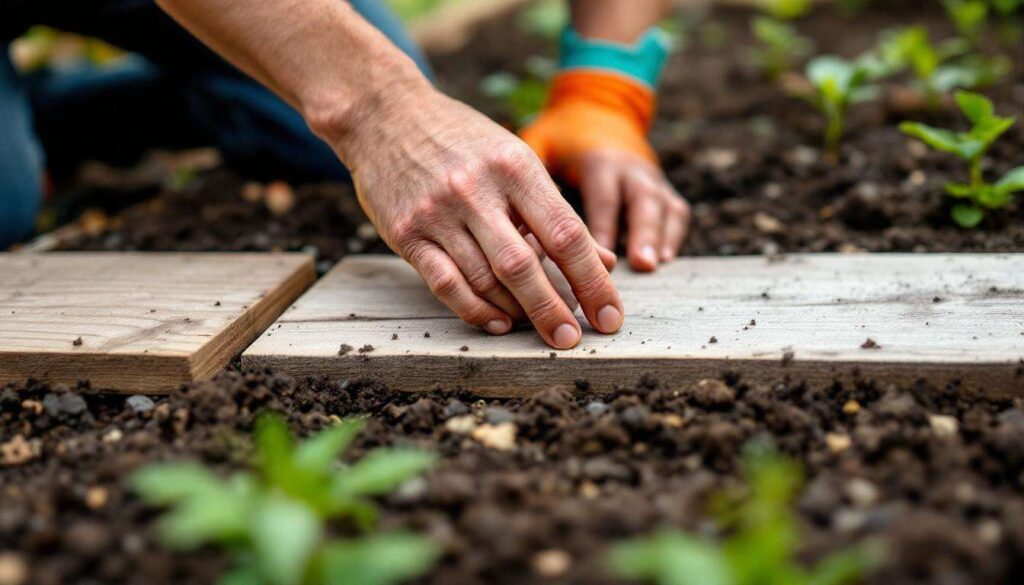
Position planks in areas showing high slug activity, typically near vulnerable plants, along garden edges, or in consistently moist locations. Space traps approximately 3 to 5 feet apart throughout affected areas. Place planks directly on soil rather than mulch to maximize moisture retention underneath. Water the ground beneath each plank before setting it down to create immediate attraction. Avoid placing planks in full sun, as excessive heat reduces their appeal and may kill trapped slugs before collection, creating unpleasant odors.
Timing and initial setup
Install your plank traps in early evening when slugs begin their nightly foraging. This timing allows the traps to be in place as slugs emerge and seek daytime refuges before dawn. Check traps each morning, ideally within two hours of sunrise, when slugs remain concentrated underneath. This daily routine becomes second nature and requires only minutes per garden section once established.
Maintenance and precautions
Daily collection procedures
Approach your planks carefully each morning to avoid disturbing slugs before collection. Lift each plank quickly and have a collection container ready with soapy water or salt. Scrape slugs into the container using a stick or old spatula. Common disposal methods include:
- Dropping slugs into soapy water (causes rapid death)
- Placing them in sealed bags for trash disposal
- Relocating them far from gardens (less effective)
- Feeding them to chickens or ducks if available
Replace planks immediately after collection to maintain the trap’s effectiveness throughout the day.
Wood maintenance and longevity
Inspect planks weekly for signs of decay or warping. Rotate planks occasionally to prevent excessive moisture damage. During dry periods, water beneath planks to maintain their attractiveness. Most untreated wood planks remain functional for one to two seasons before requiring replacement. Cedar boards may last three or more years with proper care. The minimal investment makes replacement economically insignificant compared to ongoing chemical purchases.
Safety considerations
Always wear gloves when handling slugs or planks, as some individuals experience skin irritation from slug mucus. Keep collection containers away from pets and children. Dispose of collected slugs promptly to prevent escape and odor development. Mark plank locations clearly to prevent tripping hazards in the garden. These simple precautions complement additional strategies that enhance overall slug control effectiveness.
Other complementary methods to keep slugs away
Physical barriers and deterrents
Combine wooden plank traps with protective barriers around particularly vulnerable plants. Effective supplementary methods include crushed eggshells, diatomaceous earth rings, and copper tape around raised beds. These create zones of protection while planks handle population reduction in surrounding areas. The dual approach provides both immediate protection and long-term population management.
Cultural practices that reduce slug habitat
Modify garden conditions to make the environment less hospitable to slugs:
- Remove debris, stones, and excess mulch where slugs hide
- Water gardens in morning rather than evening
- Space plants adequately to improve air circulation
- Eliminate weedy areas that provide daytime shelter
- Keep grass trimmed along garden borders
Encouraging natural predators
Attract and support slug-eating wildlife including ground beetles, birds, frogs, and toads. Create habitat features like small water sources, brush piles, and native plantings that shelter these beneficial creatures. Avoid broad-spectrum pesticides that harm predator populations. This ecological approach works synergistically with trapping to establish sustainable, long-term control. Real-world experiences from fellow gardeners demonstrate how these combined strategies perform in diverse conditions.
Results and testimonials from gardeners
Documented success rates
Gardeners implementing the wooden plank method report significant reductions in slug damage within the first week. Many observe collecting 10 to 30 slugs per plank daily during peak season, with numbers declining steadily as populations decrease. After consistent use for three to four weeks, most gardeners note a 70 to 90 percent reduction in visible slug activity and corresponding plant damage.
Practical experiences from home gardeners
A vegetable gardener from the Pacific Northwest shared that wooden planks saved her lettuce crop after years of frustration with chemical solutions. Another gardener reported that combining planks with evening watering schedule changes eliminated slug problems in his hosta collection. Community garden coordinators have implemented plank systems across multiple plots, noting improved yields and reduced complaints about slug damage. These testimonials consistently emphasize the method’s simplicity and reliability across different garden types and climates.
The wooden plank method offers gardeners a practical, economical, and environmentally sound solution to persistent slug problems. By understanding slug behavior and creating strategic collection points, this approach transforms a frustrating pest challenge into a manageable daily routine. The technique requires no special equipment, produces no environmental harm, and delivers measurable results that protect gardens throughout the growing season. Combined with complementary cultural practices and natural predator encouragement, wooden planks provide the foundation for sustainable, long-term slug management that respects both garden productivity and ecological balance.