

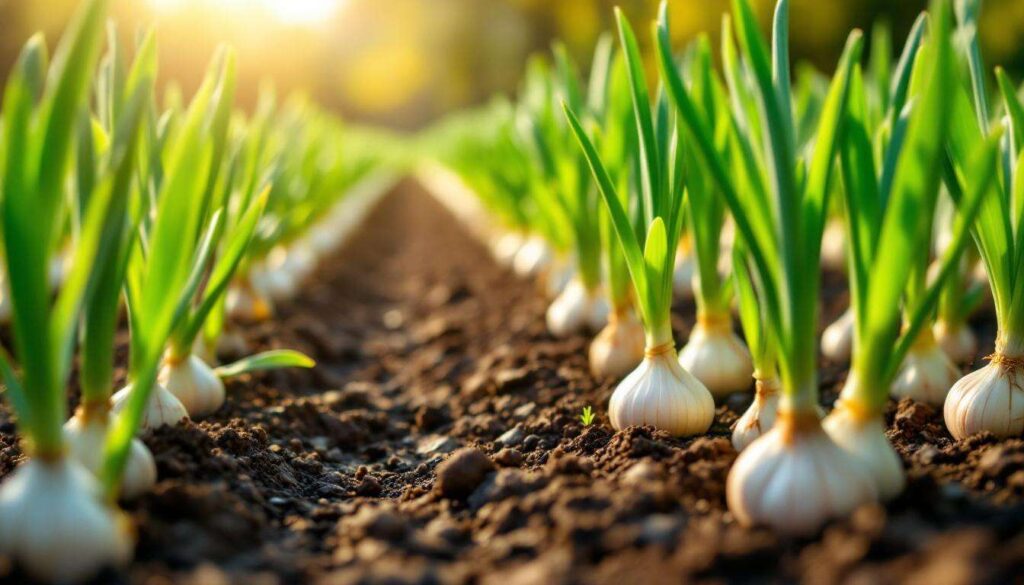
Growing your own garlic and onions transforms the vegetable garden into a source of fresh, flavorful ingredients that elevate every meal. These aromatic bulbs rank among the most rewarding crops for home gardeners, offering exceptional yields from minimal space while requiring relatively straightforward care. Planting sets in early spring positions gardeners to harvest robust bulbs by midsummer, providing months of culinary enjoyment. The process connects growers directly to their food supply, delivering superior taste compared to store-bought alternatives while building essential gardening skills. Understanding proper cultivation techniques ensures abundant harvests that can sustain households well beyond the growing season.
Introduction to the benefits of growing garlic and onions
Nutritional and culinary advantages
Garlic and onions deliver exceptional nutritional value alongside their distinctive flavors. These allium vegetables contain powerful compounds like allicin and quercetin that support immune function and cardiovascular health. Home-grown varieties offer superior taste intensity compared to commercial options, which often sacrifice flavor for extended shelf life and uniform appearance.
- Enhanced flavor profiles that deepen during proper curing
- Higher concentrations of beneficial sulfur compounds
- Freedom from chemical treatments applied to commercial bulbs
- Immediate availability for fresh culinary applications
Economic and practical considerations
Establishing a garlic and onion patch represents a cost-effective investment for any household. A single pound of garlic sets typically yields eight to ten pounds of finished bulbs, while onion sets produce even more impressive returns. The initial purchase price recovers quickly, and gardeners can save their own bulbs for replanting, creating a self-sustaining cycle.
| Crop | Initial investment | Average yield | Return ratio |
|---|---|---|---|
| Garlic sets | $12-15 per pound | 8-10 pounds | 8:1 |
| Onion sets | $8-10 per pound | 15-20 pounds | 15:1 |
These impressive returns make allium cultivation particularly attractive for budget-conscious gardeners seeking maximum productivity from limited growing space. Beyond economics, the satisfaction of harvesting homegrown staples provides intangible rewards that enhance the gardening experience.
Choosing garlic and onion varieties suited to your region
Garlic variety selection
Selecting appropriate garlic varieties requires understanding the distinction between hardneck and softneck types. Hardneck varieties produce flowering stalks called scapes and thrive in colder climates, requiring extended chilling periods for proper bulb development. Softneck varieties adapt better to milder regions and typically store longer, making them ideal for warm-climate gardeners.
- Hardneck varieties: Music, German Extra Hardy, Chesnok Red
- Softneck varieties: California Early, Inchelium Red, Nootka Rose
- Elephant garlic: technically a leek, produces massive mild-flavored cloves
Onion variety considerations
Onion selection depends primarily on day-length requirements that correspond to regional latitude. Long-day varieties require 14-16 hours of daylight and suit northern gardens, while short-day types need only 10-12 hours and perform best in southern regions. Intermediate varieties bridge the gap for mid-latitude gardeners.
| Day-length type | Recommended regions | Popular varieties |
|---|---|---|
| Long-day | Northern states (37°N and above) | Walla Walla, Copra, Patterson |
| Short-day | Southern states (below 35°N) | Texas 1015Y, Vidalia, Red Creole |
| Intermediate | Transitional zones (35-37°N) | Candy, Super Star, Red Candy Apple |
Understanding these regional adaptations prevents disappointing results and ensures bulbs develop properly according to local growing conditions.
Preparing the soil for optimal growth
Soil composition and amendments
Garlic and onions demand well-drained, fertile soil with a pH between 6.0 and 7.0 for optimal development. Heavy clay soils require significant amendment with organic matter to prevent waterlogging, which causes bulb rot. Sandy soils benefit from compost additions that improve moisture retention and nutrient availability.
- Incorporate 2-3 inches of aged compost into the top 8 inches of soil
- Add balanced organic fertilizer at rates recommended on packaging
- Test soil pH and adjust with lime or sulfur as needed
- Ensure excellent drainage to prevent fungal diseases
Bed preparation timing and techniques
Preparing beds several weeks before planting allows amendments to integrate thoroughly and soil structure to settle. Working soil when excessively wet damages structure and creates compaction problems that persist throughout the season. The ideal preparation window occurs when soil crumbles easily in hand without forming sticky clumps.
Creating raised beds offers distinct advantages for allium cultivation, particularly in regions with heavy rainfall or poor natural drainage. Elevated planting areas warm faster in spring, extend the growing season, and provide superior control over soil composition. Even modest six-inch elevation significantly improves results compared to flat planting.
Planting techniques for effective development
Proper spacing and depth
Correct planting depth and spacing directly influence final bulb size and quality. Garlic cloves should sit 2-3 inches deep with pointed ends facing upward, while onion sets require only 1-2 inches of coverage. Adequate spacing prevents competition for nutrients and light, allowing each plant to develop fully.
| Crop | Planting depth | Spacing between plants | Row spacing |
|---|---|---|---|
| Garlic | 2-3 inches | 4-6 inches | 12-18 inches |
| Onions | 1-2 inches | 3-4 inches | 12-15 inches |
Timing considerations for spring planting
Early spring planting capitalizes on cool soil temperatures that encourage strong root establishment before summer heat arrives. The optimal window typically opens 4-6 weeks before the last expected frost date, when soil temperatures reach 40-50°F. Planting too late reduces bulb development time and compromises final size.
Monitoring local weather patterns helps refine timing decisions beyond general guidelines. Experienced gardeners watch for consistent soil workability and emerging perennial growth as reliable indicators that conditions favor allium planting.
Maintaining your crops: watering and regular care
Irrigation requirements and techniques
Consistent moisture proves critical during the active growth phase, particularly as bulbs begin sizing. Alliums require approximately one inch of water weekly from rainfall or irrigation, delivered through deep, infrequent applications that encourage deep rooting. Shallow, frequent watering promotes weak root systems vulnerable to stress.
- Water deeply once weekly during dry periods
- Reduce irrigation as foliage begins yellowing naturally
- Cease watering 2-3 weeks before anticipated harvest
- Use drip irrigation or soaker hoses to minimize foliar diseases
Weed control and mulching strategies
Aggressive weed management protects developing bulbs from nutrient and moisture competition. Alliums produce relatively sparse foliage that cannot shade out weeds effectively, making vigilant control essential. Applying 2-3 inches of organic mulch suppresses weed germination while moderating soil temperature and conserving moisture.
Hand-pulling remains the safest weed removal method near shallow-rooted alliums. Cultivation tools risk damaging developing bulbs, particularly as they expand during late spring. Regular inspection catches weed problems early when intervention requires minimal effort.
Fertilization and nutrient management
Supplemental feeding supports vigorous growth and bulb development throughout the season. Side-dressing with nitrogen-rich amendments when plants reach 6-8 inches tall encourages robust foliage production. Switching to phosphorus and potassium emphasis as bulbing begins promotes proper maturation.
These essential maintenance practices create the foundation for healthy crops that reach their full productive potential.
Harvesting and storing garlic and onions for extended use
Recognizing harvest readiness
Proper harvest timing maximizes storage potential and flavor quality. Garlic reaches maturity when lower leaves brown while upper foliage remains green, typically occurring in midsummer. Onions signal readiness when tops fall over naturally and necks soften, usually 100-120 days after planting.
- Monitor foliage condition daily as harvest approaches
- Harvest during dry weather to minimize disease risk
- Use a garden fork to gently lift bulbs without damage
- Handle harvested bulbs carefully to prevent bruising
Curing and storage techniques
Proper curing transforms fresh bulbs into shelf-stable products that maintain quality for months. Garlic requires 2-4 weeks of drying in warm, well-ventilated conditions with bulbs hanging or spread in single layers. Onions need similar treatment until outer skins papery and necks completely dry.
| Storage method | Temperature range | Humidity level | Expected duration |
|---|---|---|---|
| Braided hanging | 60-65°F | 60-70% | 6-8 months |
| Mesh bags | 32-40°F | 65-70% | 4-6 months |
| Ventilated boxes | 55-60°F | 60-70% | 3-5 months |
After curing, trim roots and remove excess dirt without washing bulbs. Store in cool, dark locations with adequate air circulation, checking periodically for sprouting or decay. Properly cured and stored alliums provide homegrown flavor well into winter, rewarding the gardener’s spring efforts with months of culinary satisfaction.
Successfully cultivating garlic and onions requires attention to variety selection, soil preparation, proper planting techniques, consistent maintenance, and careful harvesting practices. These fundamental crops offer exceptional returns for relatively modest investments of time and resources while building valuable gardening expertise. The journey from early spring planting through midsummer harvest connects gardeners intimately with their food supply, delivering superior flavor and nutrition compared to commercial alternatives. Implementing these proven techniques ensures abundant yields that enhance meals throughout the year while establishing a foundation for continued growing success.