

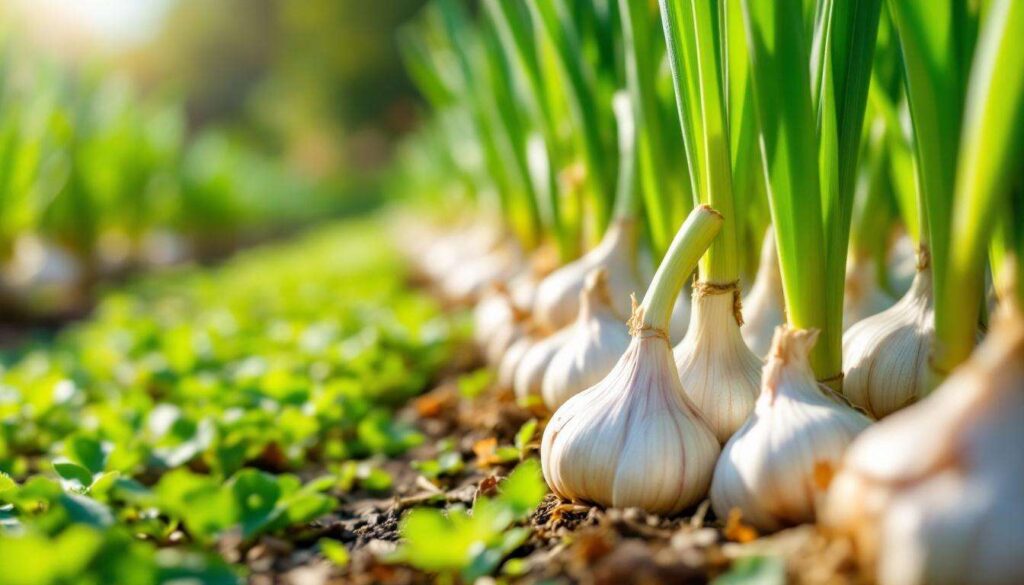
Growing garlic at home doesn’t require expensive seed bulbs from specialty nurseries. Ordinary garlic from your local supermarket can produce robust plants and generous harvests at a fraction of the cost. This budget-friendly approach to gardening has gained popularity among experienced growers and beginners alike, offering a practical solution for those seeking fresh, organic produce without breaking the bank. By understanding proper selection and planting techniques, anyone can transform inexpensive grocery store garlic into a thriving garden crop.
Why plant supermarket garlic in your garden ?
Cost-effectiveness and accessibility
Supermarket garlic presents an economical alternative to certified seed garlic, which typically costs three to five times more per pound. Most grocery stores sell garlic year-round at prices ranging from $3 to $6 per pound, while seed garlic from catalogs often exceeds $15 per pound. This significant price difference allows gardeners to allocate their budgets toward other essential supplies like compost, mulch, or additional vegetable varieties.
The convenience factor cannot be overlooked. Supermarket garlic requires no advance ordering, shipping fees, or waiting periods. Gardeners can purchase bulbs during their regular shopping trips and begin planting within days, making it an accessible option for spontaneous gardeners or those who missed traditional ordering windows.
Viability and growth potential
Despite common misconceptions, supermarket garlic remains viable for planting. The bulbs contain the same genetic material as expensive seed varieties and will sprout readily when provided with appropriate growing conditions. Many commercial garlic varieties sold in stores are softneck types, which adapt well to various climates and produce reliable yields.
- Cloves retain dormancy-breaking capability even after refrigeration
- Bulbs demonstrate strong germination rates when planted promptly
- Plants exhibit disease resistance comparable to certified seed stock
- Harvested bulbs can be saved and replanted for successive seasons
Understanding these advantages helps gardeners recognize the value proposition that supermarket garlic offers for home cultivation.
The economic benefits of supermarket garlic
Direct cost comparison
| Source | Price per pound | Cloves per pound | Cost per clove |
|---|---|---|---|
| Supermarket garlic | $4.00 | 40-50 | $0.08-$0.10 |
| Certified seed garlic | $16.00 | 40-50 | $0.32-$0.40 |
| Specialty varieties | $20.00+ | 30-40 | $0.50-$0.67 |
Return on investment calculations
A single garlic clove planted in optimal conditions produces a complete bulb containing six to twelve new cloves. This multiplication factor creates substantial returns. One pound of supermarket garlic costing $4 can yield 40-50 plants, each producing bulbs worth approximately $0.50 at retail prices. The potential harvest value reaches $20-$25, representing a five-fold return on the initial investment.
Beyond monetary savings, homegrown garlic eliminates transportation costs and packaging waste associated with store-bought produce. Gardeners also gain control over growing methods, ensuring pesticide-free, organic cultivation without premium pricing.
These financial advantages make supermarket garlic an intelligent choice for budget-conscious gardeners looking to maximize their food production capabilities.
How to choose the right garlic at the supermarket
Physical characteristics to examine
Selecting high-quality bulbs significantly impacts planting success. Examine each bulb carefully before purchase, focusing on firmness and structural integrity. Avoid bulbs with soft spots, mold, or visible damage to the papery skin. The ideal candidates feel solid when gently squeezed and show no signs of sprouting, though small green shoots don’t necessarily disqualify a bulb.
- Choose bulbs with tight, intact wrapper layers
- Select larger bulbs containing bigger individual cloves
- Avoid bulbs showing brown spots or discoloration
- Reject any bulbs with musty or fermented odors
- Prefer bulbs stored at room temperature rather than refrigerated sections
Variety considerations
Most supermarkets stock softneck varieties, particularly California Early and Silverskin types, which perform well in diverse climate zones. These varieties offer excellent storage capabilities and adapt to various growing conditions. Hardneck varieties, though less common in stores, provide superior cold hardiness and often produce larger cloves with more complex flavors.
Organic garlic presents advantages for planting purposes. These bulbs haven’t been treated with sprout inhibitors, chemicals applied to conventional produce to extend shelf life. While treated garlic may eventually sprout, organic options typically demonstrate faster, more vigorous germination.
Armed with selection criteria, gardeners can confidently choose bulbs that will transition smoothly from grocery bag to garden bed.
Step-by-step guide to planting garlic
Timing and site preparation
Garlic requires a cold period for proper bulb development, making fall planting essential in most regions. Plant cloves four to six weeks before the ground freezes, typically between September and November in northern climates, or November through January in southern zones. This timing allows roots to establish before winter dormancy.
Select a location receiving full sun exposure for at least six hours daily. Garlic thrives in well-draining soil with pH levels between 6.0 and 7.0. Prepare beds by incorporating compost or aged manure to improve soil structure and nutrient content. Remove weeds and break up compacted areas to facilitate root penetration.
Planting procedure
Separate garlic bulbs into individual cloves shortly before planting, maintaining the papery skin on each clove. Discard small cloves from the center, reserving the largest outer cloves for planting.
- Create furrows or individual holes 2-3 inches deep
- Space cloves 4-6 inches apart within rows
- Maintain 12-18 inches between rows for adequate air circulation
- Position cloves with pointed ends facing upward
- Cover with soil and firm gently to eliminate air pockets
- Apply 2-4 inches of mulch to regulate soil temperature
- Water thoroughly to initiate root development
Proper planting depth and orientation ensure cloves develop into healthy plants capable of producing substantial bulbs.
Care tips for a better harvest
Watering and fertilization requirements
Garlic demands consistent moisture during active growth periods, particularly in spring when bulbs begin forming. Provide one inch of water weekly through rainfall or irrigation, adjusting based on soil type and weather conditions. Sandy soils require more frequent watering, while clay soils retain moisture longer.
Reduce watering as harvest approaches, typically three weeks before bulb maturity. This drying period improves storage quality and prevents rot. Apply nitrogen-rich fertilizer in early spring when green shoots emerge, followed by balanced fertilizer applications every three to four weeks until bulbs begin swelling.
Weed management and mulching
Garlic competes poorly with weeds due to its shallow root system and narrow leaves. Maintain weed-free beds through regular hand-pulling or shallow cultivation, taking care not to disturb garlic roots. Mulch layers suppress weed growth while conserving soil moisture and moderating temperature fluctuations.
Pest and disease prevention
| Issue | Prevention method | Treatment approach |
|---|---|---|
| White rot | Crop rotation, well-draining soil | Remove affected plants immediately |
| Rust | Adequate spacing, air circulation | Apply sulfur-based fungicides |
| Thrips | Remove plant debris, companion planting | Insecticidal soap applications |
Implementing these care practices creates optimal conditions for garlic plants to reach their full productive potential.
Harvesting and storing grown garlic
Recognizing harvest readiness
Garlic reaches maturity when lower leaves turn brown while upper leaves remain green, typically occurring in late spring or early summer. This stage usually arrives 8-9 months after fall planting. Harvesting too early results in small, poorly-developed bulbs, while delayed harvesting causes bulbs to separate and deteriorate.
Test readiness by carefully excavating one or two bulbs to check size and wrapper integrity. Well-developed bulbs display distinct clove divisions and multiple protective layers.
Proper harvesting technique
- Choose a dry day for harvesting to minimize disease risk
- Loosen soil around bulbs with a garden fork
- Lift plants gently to avoid bruising or damaging bulbs
- Shake off excess soil without washing bulbs
- Leave stems and roots attached during initial drying
Curing and storage methods
Curing transforms fresh garlic into shelf-stable bulbs suitable for long-term storage. Hang bundles of 6-8 plants in a well-ventilated area away from direct sunlight, or spread bulbs on screens or racks. Maintain temperatures between 75-85°F with good air circulation for two to three weeks.
After curing, trim roots to one-quarter inch and cut stems to one inch above the bulb. Store cured garlic in mesh bags, baskets, or ventilated containers at room temperature in dark, dry locations. Properly cured garlic maintains quality for 6-8 months, providing homegrown flavor well into the following year.
Transforming supermarket garlic into a productive garden crop demonstrates that successful gardening doesn’t require expensive inputs or specialized knowledge. By selecting quality bulbs, following proper planting procedures, and maintaining consistent care throughout the growing season, gardeners achieve impressive harvests while spending minimal money. The multiplication factor inherent in garlic cultivation means each dollar invested returns multiple times over in fresh, flavorful bulbs. This accessible approach empowers anyone to enjoy homegrown produce regardless of budget constraints, proving that the best gardening secrets often hide in plain sight at the local grocery store.