


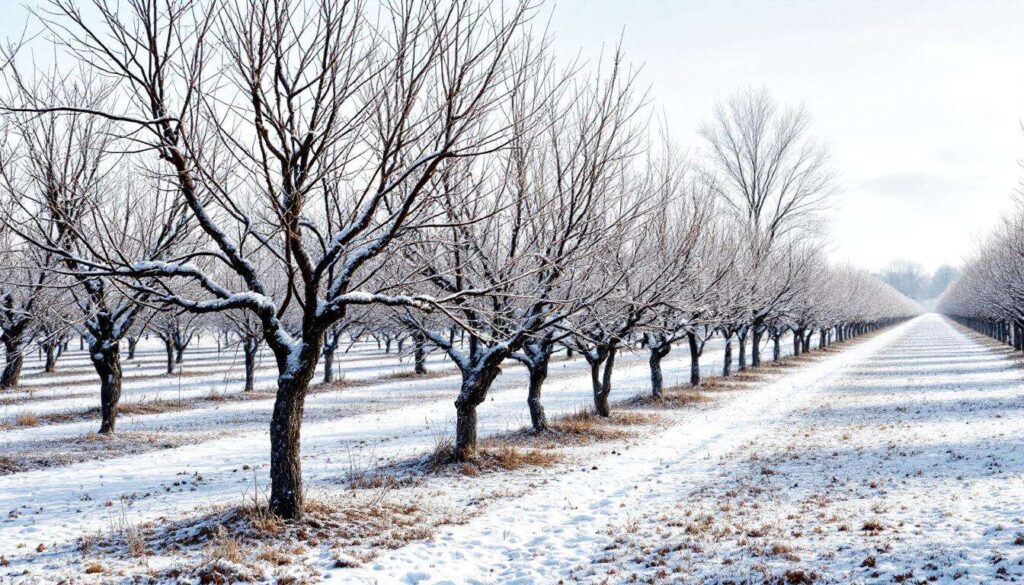
Orchards across the country face a critical window this month that many gardeners overlook, yet it determines whether trees will produce abundant fruit or struggle through summer. As temperatures begin their subtle shift and dormancy loosens its grip, fruit trees require specific attention that cannot be postponed. Missing this narrow opportunity in February sets the stage for disappointing yields, disease vulnerability, and years of corrective work. The task at hand is neither complicated nor time-consuming, but its timing proves absolutely essential for maximizing summer harvests.
Understanding the importance of pruning in February
Why February represents the optimal pruning window
February offers a unique combination of conditions that make it the ideal month for pruning most fruit trees. During this period, trees remain dormant while sap flow stays minimal, allowing cuts to heal properly without excessive bleeding. The absence of leaves provides clear visibility of the tree’s structure, enabling gardeners to identify problematic branches, crossing limbs, and areas requiring thinning. Furthermore, pruning before bud break prevents the tree from wasting energy on growth that will be removed, redirecting resources toward fruit production instead.
The biological advantages of late winter pruning
Pruning during dormancy triggers specific biological responses that benefit fruit trees throughout the growing season. When cuts are made before active growth begins, trees respond by:
- Concentrating energy into fewer, more productive branches
- Developing stronger wood capable of supporting heavy fruit loads
- Reducing disease transmission since pathogens remain less active in cold weather
- Promoting vigorous spring growth in strategically selected areas
This physiological timing creates conditions where wound closure occurs efficiently as temperatures warm, minimizing infection risks while maximizing the tree’s natural healing processes. These advantages diminish rapidly once buds begin swelling and active growth commences, making February the last practical opportunity for most varieties.
The benefits of pruning on the summer harvest
Increased fruit size and quality
Proper February pruning directly influences the size and sweetness of summer fruit by reducing competition among developing fruits. When excess branches are removed, the tree allocates nutrients and water to fewer fruits, resulting in larger specimens with more concentrated sugars. Thinning also improves air circulation and sunlight penetration, which enhances color development and flavor complexity in ripening fruit.
Prevention of biennial bearing patterns
Many fruit trees naturally alternate between heavy and light crop years, a phenomenon called biennial bearing. Strategic pruning in February helps break this cycle by:
- Removing excess fruiting spurs that would produce overwhelming crops
- Balancing vegetative growth with fruit production
- Preventing branch breakage from excessive fruit weight
- Maintaining consistent yields year after year
This consistent production proves far more valuable than occasional bumper crops followed by barren seasons, establishing a reliable harvest rhythm that continues for decades.
Disease and pest management advantages
Removing diseased, damaged, or dead wood during February pruning eliminates overwintering sites for pests and pathogens. Proper cuts also improve tree structure, reducing areas where moisture accumulates and fungal infections establish. The improved airflow resulting from thoughtful pruning decreases humidity within the canopy, creating an environment less hospitable to common fruit tree diseases such as brown rot, fire blight, and powdery mildew. These preventive measures significantly reduce the need for chemical interventions later in the season, supporting both tree health and harvest quality.
Common mistakes to avoid during pruning
Over-pruning and its consequences
Excessive pruning represents one of the most damaging errors gardeners make, particularly with young trees. Removing more than one-third of the canopy in a single season stresses the tree, delays fruit production, and stimulates excessive vegetative growth at the expense of fruiting wood. This mistake often creates a counterproductive cycle where vigorous water sprouts emerge, requiring additional corrective pruning in subsequent years.
Improper cut placement and technique
The location and angle of pruning cuts significantly impact healing and future growth patterns. Common technical errors include:
- Leaving stubs that invite decay and disease
- Cutting too close to the trunk, damaging the branch collar
- Making ragged cuts with dull tools that heal poorly
- Failing to remove branches at their point of origin
Each cut should be made just beyond the branch collar, the slightly swollen area where the branch meets the trunk or parent limb. This positioning allows the tree’s natural defense mechanisms to seal the wound effectively while preventing pathogen entry.
Timing errors within February
Even within February, timing matters considerably. Pruning during severe cold snaps when temperatures drop below freezing can damage exposed tissues, while waiting until late February in warmer climates risks cutting after buds have begun active growth. Monitoring local weather patterns and understanding your specific hardiness zone helps determine the optimal week for pruning activities within this critical month.
Essential tools for successful pruning
Basic equipment requirements
Effective pruning requires appropriate tools maintained in excellent condition. The fundamental equipment includes:
| Tool | Purpose | Branch Size |
|---|---|---|
| Hand pruners | Small branches and twigs | Up to 3/4 inch |
| Loppers | Medium branches | 3/4 to 2 inches |
| Pruning saw | Large branches | Over 2 inches |
| Pole pruner | High branches | Up to 1.5 inches |
Investing in quality tools proves economical over time, as well-made equipment maintains sharp edges longer and withstands years of seasonal use without failure.
Tool maintenance and sanitation
Sharp, clean tools make precise cuts that heal quickly while preventing disease transmission between trees. Before each pruning session, blades should be sharpened and disinfected using a solution of one part bleach to nine parts water or rubbing alcohol. During work, especially when moving between trees showing any disease symptoms, tools require re-sanitizing to avoid spreading pathogens throughout the orchard.
How to tailor pruning to each type of fruit tree
Stone fruits versus pome fruits
Different fruit categories require distinct pruning approaches based on their growth habits and fruiting patterns. Stone fruits such as peaches, plums, and cherries produce fruit on one-year-old wood and benefit from more aggressive pruning to stimulate annual new growth. These trees typically receive an open-center or vase shape that maximizes light penetration. Conversely, pome fruits including apples and pears fruit on older wood and require lighter pruning focused on maintaining a central leader structure with well-spaced scaffold branches.
Age-specific pruning strategies
Young trees need formative pruning that establishes strong structure, while mature trees require maintenance pruning that balances production with tree health. Newly planted trees should have minimal pruning beyond removing damaged wood, allowing energy to focus on root establishment. Trees in their third through seventh years receive structural pruning that develops the permanent framework. Mature bearing trees benefit from thinning cuts that remove crowded branches while maintaining the established form.
Tips for preserving the health of your fruit trees
Post-pruning care practices
Proper aftercare following February pruning supports rapid healing and vigorous spring growth. Remove all pruned material from beneath trees to eliminate disease reservoirs, and consider applying a balanced organic fertilizer in early spring to support the energy demands of new growth. Avoid wound dressings or sealants, as research demonstrates that exposed cuts heal better when left to natural processes. Monitor pruned trees throughout spring for signs of disease or pest activity, addressing issues promptly before they compromise the developing crop.
February pruning represents an investment in months of careful orchard management, setting the foundation for healthy trees and abundant harvests. The techniques applied during this brief window influence fruit quality, tree longevity, and yearly yields far beyond the immediate growing season. Gardeners who master this essential February task position their orchards for sustained productivity and minimal intervention throughout summer, transforming overlooked winter work into the cornerstone of successful fruit production.