



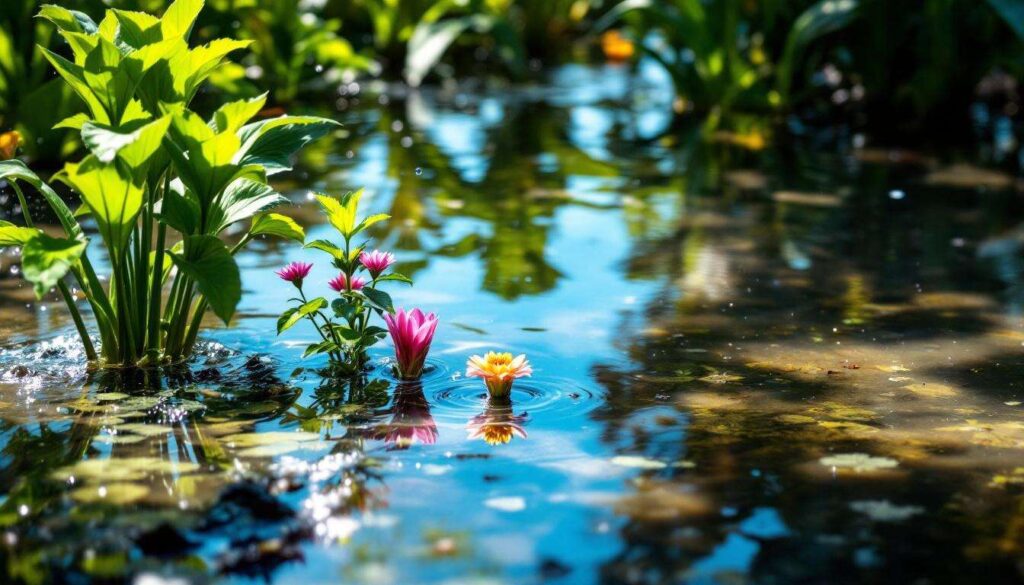
Heavy rainfall can transform a thriving garden into a waterlogged disaster zone within hours. Standing water suffocates plant roots, erodes soil, and creates conditions that favor diseases and pests. Acting quickly after flooding is critical to minimize damage and restore your garden’s health. Understanding the proper sequence of recovery steps can mean the difference between losing your landscape investment and salvaging most of your plants. This comprehensive guide walks you through the essential actions needed to rescue a flooded garden and implement preventive measures for future protection.
Assessing the flood damage
Conducting an immediate visual inspection
The first priority after floodwaters recede is to evaluate the extent of damage throughout your garden. Walk through all affected areas and document what you observe. Look for standing water pools, soil erosion patterns, and visible plant stress. Check for uprooted trees and shrubs, collapsed structures, and debris accumulation. Take photographs to track recovery progress and for potential insurance claims if applicable.
Identifying plant stress indicators
Different plants exhibit distinct signs of flood damage that require recognition:
- Wilting leaves despite saturated soil conditions
- Yellowing or browning foliage indicating oxygen deprivation
- Soft, mushy stems suggesting root rot development
- Foul odors from anaerobic soil decomposition
- Exposed root systems from soil washout
Categorizing damage severity
Create a simple classification system to prioritize your recovery efforts. Divide affected areas into critical, moderate, and minor damage zones. Critical zones require immediate intervention to save valuable plants, while minor areas may recover naturally with minimal assistance. This systematic approach ensures you allocate time and resources effectively during the recovery process.
Once you understand the full scope of damage, the next crucial step involves removing excess water that continues threatening your plants.
Draining water in the most efficient manner
Manual water removal techniques
For small to medium-sized puddles, manual drainage methods often provide the fastest relief. Use buckets, sump pumps, or wet-dry vacuums to extract standing water from low-lying areas. Create temporary channels using shovels to direct water toward natural drainage points or storm drains. Focus first on areas surrounding valuable plants and structures where water poses the greatest threat.
Mechanical drainage solutions
Larger flooded areas benefit from mechanical intervention. Consider these options based on water volume:
| Method | Best For | Drainage Rate |
|---|---|---|
| Submersible pump | Deep standing water | High (500-3000 GPH) |
| Siphon system | Gradual removal | Low (passive) |
| Trenching | Redirecting flow | Medium (gravity-fed) |
Avoiding soil compaction during drainage
While removing water quickly is important, protecting soil structure matters equally. Avoid walking on saturated soil as this compacts it severely, reducing future drainage capacity and damaging root systems. Use boards or planks to distribute your weight when you must access flooded areas. Wait until soil reaches appropriate moisture levels before resuming normal garden activities.
With water removed, attention turns to restoring soil conditions that support healthy plant growth.
Preparing the soil for a swift recovery
Testing soil oxygen and pH levels
Flooding dramatically alters soil chemistry. Conduct soil tests to determine pH shifts and nutrient depletion caused by waterlogging. Extended saturation creates anaerobic conditions that change nutrient availability and can release toxic compounds. Professional soil testing provides specific amendment recommendations tailored to your garden’s needs.
Improving soil aeration
Compacted, oxygen-depleted soil requires aeration to support root respiration. Once soil reaches workable moisture content, gently fork or till the top layers without disturbing plant roots. This process introduces air pockets and accelerates drying. For lawns, core aeration removes soil plugs and creates channels for oxygen penetration. Avoid aggressive tilling that destroys beneficial soil structure.
Adding organic amendments
Incorporating organic matter helps restore soil health after flooding:
- Compost improves drainage and nutrient content
- Aged manure provides slow-release nutrients
- Perlite or vermiculite enhances soil porosity
- Gypsum helps break up clay particles in heavy soils
- Sand increases drainage in compacted areas
Apply amendments according to soil test recommendations, working them into the top six to eight inches of soil. This preparation creates optimal conditions for plant recovery and establishes a foundation for improved drainage.
Beyond immediate soil rehabilitation, structural improvements prevent recurring problems.
Strengthening the garden’s drainage system
Installing French drains
French drains represent one of the most effective permanent drainage solutions for chronically wet areas. These systems consist of perforated pipes buried in gravel-filled trenches that collect and redirect subsurface water. Position French drains along property perimeters, at the base of slopes, or around foundation plantings where water naturally accumulates.
Creating rain gardens and bioswales
Transform problem areas into functional landscape features. Rain gardens are shallow depressions planted with water-tolerant species that capture and filter runoff. Bioswales are vegetated channels that slow and direct water flow while allowing gradual infiltration. Both solutions manage excess water naturally while adding aesthetic value to your landscape.
Grading and contouring improvements
Proper grading prevents water from pooling in unwanted areas. Evaluate your garden’s topography and create gentle slopes that direct water away from structures and sensitive plantings. Even subtle grade changes of one to two percent effectively move water toward designated drainage points. Consider hiring professionals for major regrading projects that require earth-moving equipment.
Implementing permeable hardscaping
Replace impermeable surfaces with materials that allow water penetration. Permeable pavers, gravel pathways, and porous concrete reduce runoff volume while maintaining functionality. These surfaces work particularly well for patios, walkways, and parking areas where traditional hardscaping contributes to drainage problems.
With improved drainage infrastructure in place, selecting appropriate plants completes the recovery strategy.
Planting species suited for wet areas
Understanding hydrozoning principles
Hydrozoning involves grouping plants with similar water requirements together. This strategy allows you to match species to specific moisture conditions throughout your garden. Place water-loving plants in naturally wet zones while reserving well-drained areas for species requiring drier conditions. This approach reduces maintenance and increases plant survival rates.
Recommended moisture-tolerant plants
These species thrive in areas prone to periodic flooding:
- River birch and bald cypress for tree canopies
- Red twig dogwood and winterberry for shrub layers
- Daylilies and iris for perennial color
- Sedges and rushes for groundcover
- Cardinal flower and Joe Pye weed for native options
Avoiding flood-sensitive species
Certain plants cannot tolerate wet conditions and should be relocated from flood-prone zones. Mediterranean herbs, succulents, and most conifers suffer severely in waterlogged soil. Root vegetables and many annual flowers also struggle with excess moisture. Reserve these species for raised beds or well-drained areas where they can flourish.
Strategic plant selection complements physical improvements, but lasting protection requires ongoing preventive measures.
Preventing future garden flooding
Maintaining gutters and downspouts
Regular gutter maintenance prevents concentrated water discharge that overwhelms garden drainage. Clean gutters seasonally and extend downspouts at least six feet from foundations. Consider installing rain barrels or cisterns to capture roof runoff for later irrigation use, reducing both flooding risk and water bills.
Monitoring weather and water levels
Stay informed about weather patterns and flood forecasts for your area. Install rain gauges to track precipitation amounts and identify when your garden approaches saturation limits. This awareness allows proactive measures like temporary pumping or protective covering before severe weather arrives.
Establishing vegetation buffers
Dense plantings slow water velocity and increase infiltration. Establish vegetation buffers along property boundaries and near water features. Deep-rooted native grasses and shrubs create natural drainage networks while stabilizing soil against erosion. These living systems provide long-term flood mitigation that improves over time.
Creating emergency response plans
Develop procedures for rapid response when flooding threatens. Maintain supplies like pumps, sandbags, and tarps in accessible locations. Document critical drainage points and vulnerable plants requiring priority protection. Having a clear action plan reduces panic and damage when severe weather strikes.
Recovering a flooded garden requires systematic assessment, efficient water removal, soil rehabilitation, and infrastructure improvements. By implementing proper drainage systems and selecting moisture-appropriate plants, you create resilience against future flooding events. Regular maintenance of gutters, monitoring of weather conditions, and establishment of vegetation buffers provide ongoing protection. These combined strategies transform a vulnerable landscape into a robust garden capable of withstanding heavy rainfall while maintaining beauty and functionality throughout the seasons.