



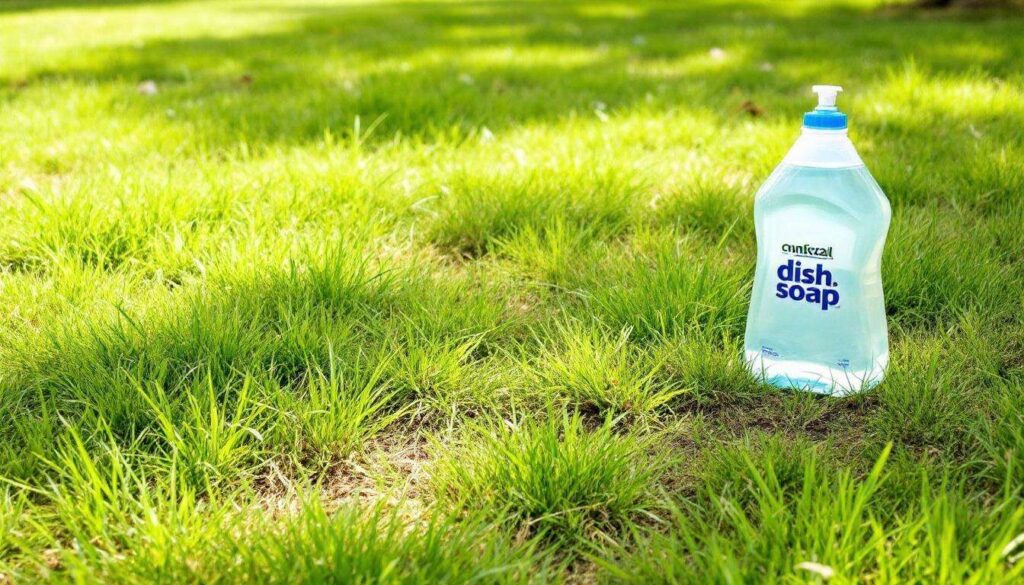
Gardeners across the country have been buzzing about an unconventional lawn care method that sounds more like a kitchen mishap than a horticultural technique. The practice involves applying diluted dish soap directly onto grass, with proponents claiming it can solve various lawn problems from pest control to soil aeration. This household product, typically reserved for cleaning dishes, has sparked heated debates among both amateur gardeners and professional landscapers. While some swear by its effectiveness and affordability, others warn of potential damage to delicate grass ecosystems. Understanding both sides of this controversy is essential before reaching for that bottle of soap under your kitchen sink.
The strange dish soap trick on the lawn
What exactly is this method
The dish soap lawn treatment involves mixing a few tablespoons of liquid dish soap with water in a garden sprayer or hose attachment, then applying it evenly across the grass. Advocates claim this simple mixture can address multiple lawn issues simultaneously. The soap allegedly helps water penetrate compacted soil more effectively, acting as a surfactant that breaks surface tension and allows moisture to reach deeper root systems. Additionally, supporters believe it can eliminate lawn pests such as grubs, chinch bugs, and other insects that damage grass from below the surface.
Common applications and claimed benefits
Gardeners who use this technique typically apply it in several specific scenarios:
- Treating dry patches where water seems to run off rather than absorb
- Controlling insect infestations without expensive pesticides
- Improving water distribution in clay-heavy or compacted soils
- Reducing thatch buildup on the lawn surface
- Creating a more uniform green appearance across the entire yard
The appeal lies primarily in its accessibility and low cost, as most households already have dish soap readily available. This practical aspect has contributed to the method’s viral spread through social media gardening groups and online forums. However, the simplicity that makes this hack attractive also raises questions about its scientific validity and long-term consequences.
While the basic concept seems straightforward, the debate intensifies when examining the environmental and health implications of introducing detergents into lawn ecosystems.
The ecological argument: a miracle solution ?
The surfactant science behind the claim
Dish soap functions as a surfactant, a compound that reduces the surface tension between two liquids or between a liquid and a solid. In theory, this property could help water penetrate hydrophobic soil more effectively, particularly in lawns suffering from localized dry spots or water-repellent thatch layers. Some gardening enthusiasts argue this represents an environmentally friendly approach compared to synthetic wetting agents specifically marketed for lawn care, which often come with higher price tags and similar chemical compositions.
Environmental concerns and soil health
Despite these potential benefits, environmental scientists raise significant concerns about introducing dish soap into soil ecosystems. The following issues merit consideration:
| Environmental Factor | Potential Impact |
|---|---|
| Beneficial microorganisms | Disruption of bacterial and fungal populations essential for soil health |
| Earthworm populations | Possible toxicity to these vital soil aerators |
| Water runoff | Contamination of nearby water sources with phosphates and chemicals |
| pH balance | Alteration of soil acidity levels affecting nutrient availability |
Critics emphasize that dish soaps were never formulated with soil health in mind. Many contain phosphates, artificial fragrances, and antibacterial agents that may harm the delicate balance of microorganisms that keep lawns healthy naturally. The long-term ecological footprint of regular soap applications remains largely unstudied in residential lawn care contexts.
Beyond these environmental questions, the direct impact on grass health itself presents another layer of controversy worth examining.
Health risks to your lawn
Potential damage to grass blades and roots
The same properties that make dish soap effective at cutting through grease on dishes can prove problematic for plant tissues. Grass blades have a natural waxy coating called the cuticle that protects them from disease, excessive moisture loss, and environmental stress. When dish soap is applied, it can strip away this protective layer, leaving grass vulnerable to fungal infections, drought stress, and physical damage. Roots may also suffer from prolonged exposure to soap residues, potentially leading to nutrient uptake problems and weakened overall plant vigor.
Concentration and frequency concerns
The risks multiply when gardeners misjudge the appropriate dilution ratio or application frequency. Without standardized guidelines, home users often apply concentrations that are either ineffective or dangerously strong. Key concerns include:
- Burning of grass tips and browning of entire sections when soap is too concentrated
- Accumulation of soap residue in soil with repeated applications
- Interference with fertilizer effectiveness due to altered soil chemistry
- Creation of hydrophobic layers if soap binds with organic matter incorrectly
Professional turfgrass managers note that commercial wetting agents undergo rigorous testing for plant safety and are formulated at precise concentrations. Dish soap lacks this specificity, making it a gamble each time it’s applied. The variability in dish soap formulations between brands adds another layer of unpredictability to outcomes.
Given these potential hazards, it’s valuable to explore what professional gardeners and lawn care specialists actually recommend regarding this practice.
Diverse opinions from gardening experts
Supporters and their reasoning
Some horticulturists and experienced gardeners acknowledge that occasional, highly diluted applications might provide temporary benefits without significant harm. These supporters typically recommend using only biodegradable, phosphate-free dish soaps in extremely weak solutions. They argue that when used sparingly during specific situations like severe dry spot treatment or emergency pest control, the risks remain minimal while providing immediate relief to struggling lawns.
Critics and their warnings
Conversely, many lawn care professionals and agricultural extension agents strongly discourage the practice entirely. Their objections center on several key points:
- Lack of peer-reviewed research supporting effectiveness claims
- Availability of safer, tested alternatives designed specifically for lawns
- Potential for unintended consequences in complex soil ecosystems
- Risk of creating dependency on repeated applications rather than addressing underlying problems
- Liability concerns for professional landscapers who might adopt the method
University extension services generally recommend against dish soap use, noting that proper lawn care practices such as core aeration, appropriate watering schedules, and soil amendment address the root causes of problems that soap might temporarily mask. These experts emphasize that quick fixes rarely substitute for comprehensive lawn health strategies.
For those seeking alternatives that don’t involve dish soap, several natural options exist that align better with sustainable gardening principles.
Natural alternatives to dish soap
Yucca extract and other plant-based surfactants
Gardeners looking for environmentally sound wetting agents can turn to yucca extract, a natural surfactant derived from the yucca plant. This substance has been used in organic agriculture for decades and breaks down readily in soil without harming beneficial organisms. It provides similar water penetration benefits without the harsh chemicals found in dish soaps. Other plant-based options include saponin-rich extracts from soapwort or soapnut trees, which offer gentle surfactant properties while remaining compatible with organic gardening standards.
Mechanical and cultural solutions
Addressing lawn problems through physical interventions often proves more effective than any chemical application:
| Problem | Natural Solution |
|---|---|
| Soil compaction | Core aeration twice yearly to improve water penetration |
| Thatch buildup | Dethatching with specialized rakes or machines |
| Pest infestations | Beneficial nematodes or milky spore for grub control |
| Poor water absorption | Compost topdressing to improve soil structure |
These methods require more initial effort but create lasting improvements to lawn health rather than temporary fixes. Incorporating organic matter through compost applications, maintaining proper mowing height, and following appropriate watering practices build resilient lawns that naturally resist the problems dish soap supposedly addresses.
For those who remain curious about trying dish soap despite the warnings, understanding proper application methods becomes crucial to minimizing potential damage.
How to use dish soap safely
Recommended dilution and application guidelines
If you decide to experiment with dish soap on your lawn, extreme caution is essential. Use only one to two tablespoons of clear, biodegradable, phosphate-free dish soap per gallon of water. Apply this mixture to a small test area first, monitoring for any adverse reactions over several days before treating larger sections. Never apply during hot, sunny conditions, as this increases the risk of burning grass. Early morning or evening applications allow the soap to work without the stress of intense sunlight.
Frequency limitations and monitoring
Limit applications to no more than once per month during the growing season, and never use dish soap as a regular maintenance practice. After each application, observe your lawn carefully for signs of stress:
- Yellowing or browning of grass blades
- Wilting despite adequate moisture
- Increased disease susceptibility
- Thinning of grass density
- Changes in soil drainage patterns
If any negative effects appear, discontinue use immediately and flush the area with plain water. Consider conducting a soil test before and after applications to track any chemical changes. Remember that professional lawn care products undergo extensive testing for safety and effectiveness, making them more predictable options for maintaining a healthy lawn.
The dish soap lawn hack exemplifies how viral gardening trends can spread faster than scientific validation. While the method offers appealing simplicity and low cost, the potential risks to soil health, beneficial organisms, and grass vitality raise legitimate concerns among experts. Natural alternatives like yucca extract and mechanical solutions such as core aeration provide safer paths to addressing common lawn problems. For those who choose to experiment with dish soap, extreme dilution, infrequent application, and careful monitoring remain essential safeguards. Ultimately, sustainable lawn care relies on understanding and supporting the complex ecosystem beneath your feet rather than seeking quick chemical fixes.