


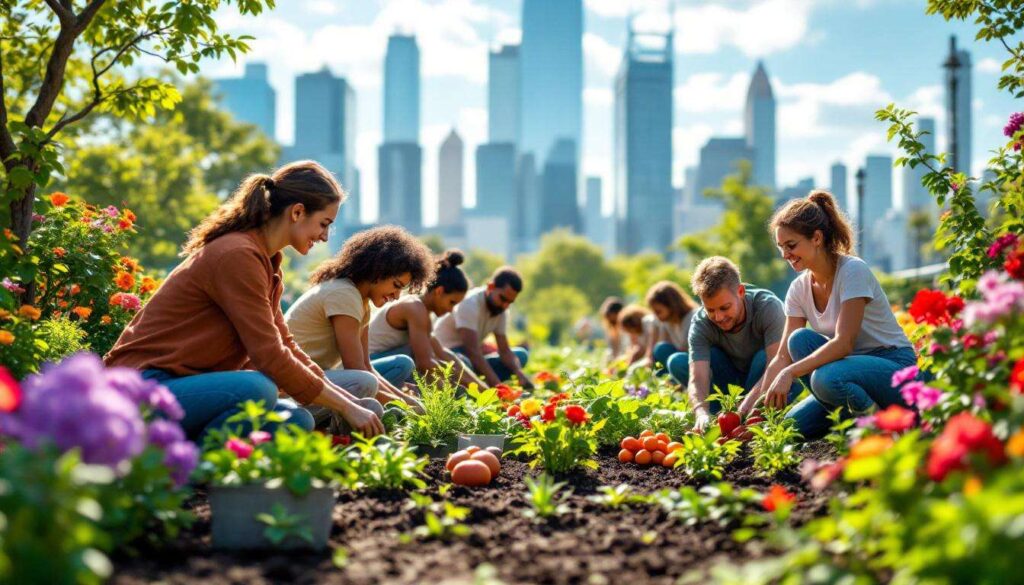
Urban neighborhoods across the country are witnessing a remarkable transformation as residents reclaim vacant lots and underutilized spaces to cultivate fresh produce and foster community connections. Starting a community garden represents more than just growing vegetables; it creates a shared space where neighbors collaborate, children learn about food systems, and sustainable practices take root in concrete landscapes. The process requires careful planning, community engagement, and practical knowledge about transforming raw land into productive green space. Whether you’re addressing food access issues, seeking to beautify your neighborhood, or simply wanting to connect with fellow gardening enthusiasts, establishing a shared urban agriculture plot offers tangible benefits that extend far beyond the harvest.
What is a community garden ?
A community garden is a shared outdoor space where neighbors collectively cultivate plants, vegetables, herbs, and flowers on common ground. Unlike private backyard gardens, these collaborative spaces operate on principles of shared responsibility and collective benefit, with participants contributing time, resources, and expertise to maintain the plot.
Core characteristics of community gardens
Community gardens typically feature individual plots assigned to specific households alongside communal areas maintained by all participants. The organizational structure varies considerably, with some gardens operating through formal nonprofit organizations while others function as informal neighborhood cooperatives. Most successful gardens establish clear guidelines regarding plot sizes, maintenance expectations, and shared resource usage.
- Individual plots ranging from 50 to 200 square feet per household
- Common areas including tool sheds, composting stations, and gathering spaces
- Shared water access through municipal connections or rainwater collection systems
- Pathways designed for accessibility and efficient movement throughout the garden
- Perimeter fencing or hedging to define boundaries and protect crops
Different models of shared gardening spaces
The allotment model assigns specific plots to individual gardeners who maintain autonomy over planting decisions while contributing to communal infrastructure. The collective model involves all participants working together on the entire space, sharing both labor and harvest equally. Some gardens adopt a hybrid approach, combining individual plots with shared beds dedicated to donating produce to food banks or community organizations.
| Garden Model | Plot Assignment | Decision Making | Harvest Distribution |
|---|---|---|---|
| Allotment | Individual plots | Personal choice | Individual keeps harvest |
| Collective | Shared space | Group consensus | Equal distribution |
| Hybrid | Mixed allocation | Combination approach | Varied by plot type |
Understanding these foundational concepts helps clarify your vision before identifying where this collaborative space will take physical form in your neighborhood.
Choosing the right location for your garden
Site selection determines the long-term viability and productivity of your community garden. The ideal location balances sunlight exposure, accessibility, and security while navigating the complex landscape of land ownership and zoning regulations.
Evaluating potential sites
Begin by surveying your neighborhood for vacant lots, underutilized park corners, or unused institutional grounds near schools or religious buildings. The site should receive at least six hours of direct sunlight daily for vegetable cultivation, though partial shade can accommodate herbs and leafy greens. Assess soil quality through basic testing, examining drainage patterns after rainfall, and investigating the site’s history for potential contamination from previous industrial use.
- Proximity to water sources for irrigation needs
- Flat or gently sloping terrain to prevent erosion and facilitate accessibility
- Distance from major roads to minimize vehicle exhaust exposure
- Visibility from surrounding buildings to deter vandalism
- Adequate size to accommodate desired number of participants
Securing land access and permissions
Identifying the property owner represents the critical first step in securing land rights. Municipal properties often require navigating parks departments or city planning offices, while private landowners may offer temporary leases or long-term agreements. Many cities have established community garden programs that streamline the application process and provide liability insurance coverage.
Negotiate lease terms that provide sufficient stability for garden investment, ideally securing agreements lasting at least three to five years. Document all permissions in writing, clarifying responsibilities for utilities, insurance, and property maintenance. Verify zoning compliance and obtain necessary permits before breaking ground, as agricultural activities may face restrictions in certain residential zones.
With your site secured and permissions documented, the focus shifts toward mobilizing neighborhood residents who will transform this space into a thriving garden.
Organizing your community around the project
Building a committed group of participants requires strategic outreach, clear communication, and inclusive decision-making processes that respect diverse perspectives and experience levels.
Recruiting and engaging neighbors
Launch your recruitment effort through multiple channels to reach diverse community members. Post flyers at local libraries, coffee shops, and community centers. Utilize neighborhood social media groups and email lists to announce informational meetings. Partner with existing organizations such as parent-teacher associations, environmental groups, or faith communities to expand your reach.
Host an initial gathering in a neutral, accessible location to gauge interest and collect contact information. Present a realistic overview of the time commitment, physical labor involved, and potential challenges alongside the benefits. Encourage attendees to invite neighbors, creating organic growth through personal connections.
Establishing governance structures
Successful community gardens operate through transparent governance systems that distribute responsibility while maintaining accountability. Form a steering committee with defined roles including coordinator, treasurer, communications lead, and volunteer scheduler. Establish regular meeting schedules and decision-making protocols that balance efficiency with inclusive participation.
- Create bylaws addressing membership criteria, plot assignment, and conflict resolution
- Determine fee structures to cover water, tools, and infrastructure costs
- Develop work-share requirements ensuring equitable contribution to communal tasks
- Institute communication systems for announcements, scheduling, and resource sharing
- Plan social events that build relationships beyond gardening activities
Document all decisions and maintain accessible records that new members can review. Consider forming a nonprofit organization or partnering with an existing fiscal sponsor to accept donations and apply for grants. These organizational foundations prepare your group to acquire the physical resources necessary for cultivation.
Necessary materials to start
Transforming raw land into productive garden space requires strategic investment in infrastructure, tools, and soil amendments that support both immediate planting and long-term sustainability.
Essential infrastructure and equipment
Begin with basic site preparation including perimeter fencing to establish boundaries and deter unauthorized access. Install a water delivery system appropriate to your site’s resources, ranging from simple hose connections to more complex drip irrigation networks. Construct a secure storage shed for shared tools and equipment, protecting investments from weather and theft.
| Infrastructure Element | Estimated Cost | Priority Level |
|---|---|---|
| Fencing (100 linear feet) | $500-$1,500 | High |
| Water system installation | $300-$2,000 | High |
| Tool storage shed | $400-$1,200 | Medium |
| Composting system | $100-$500 | Medium |
| Pathways and mulch | $200-$800 | Low |
Tools and growing supplies
Equip your garden with quality tools that withstand frequent use by multiple gardeners. Purchase several sets of fundamental implements including spades, rakes, hoes, and hand trowels. Add specialized equipment such as wheelbarrows, watering cans, and pruning shears as the budget allows. Establish a tool checkout system that tracks usage and ensures proper maintenance.
- Soil testing kits to monitor pH and nutrient levels
- Compost bins for processing organic waste into soil amendments
- Mulch materials for moisture retention and weed suppression
- Organic fertilizers and soil amendments based on test results
- Seeds and seedlings appropriate for your growing zone and season
Source materials through bulk purchasing cooperatives, tool libraries, or donation drives to maximize limited budgets. Many established gardens donate surplus supplies to new projects, while local businesses may contribute materials as community goodwill investments. These physical resources enable the ongoing cultivation practices that sustain productive gardens throughout the growing season.
Growing and maintaining your urban plot
Successful cultivation in shared spaces requires coordination, consistent maintenance schedules, and adaptive management strategies that respond to changing conditions throughout the season.
Planning and planting strategies
Develop a comprehensive planting plan that considers your local climate zone, frost dates, and seasonal succession. Spring planting focuses on cool-season crops including lettuce, peas, radishes, and brassicas that tolerate temperature fluctuations. Coordinate individual plot plans to maximize biodiversity and minimize pest concentration, encouraging gardeners to plant varied crops rather than monocultures.
Implement companion planting principles that leverage beneficial plant relationships, such as pairing tomatoes with basil or planting marigolds to deter aphids. Schedule group planting days that combine labor with skill-sharing opportunities, allowing experienced gardeners to mentor newcomers in proper spacing, depth, and timing techniques.
Maintenance and problem-solving
Establish rotating schedules for communal maintenance tasks including pathway weeding, compost turning, and irrigation system checks. Create a shared calendar accessible to all members that tracks responsibilities and ensures consistent care during vacation periods or busy weeks.
- Weekly watering schedules adjusted for rainfall and temperature
- Regular pest monitoring using integrated pest management approaches
- Weed control through mulching and manual removal before seed production
- Disease prevention through proper spacing and air circulation
- Harvest timing guidance to prevent overripe produce attracting pests
Address challenges collectively through garden meetings where participants share observations and solutions. Document successful strategies in a shared garden journal that becomes institutional knowledge for future seasons. This cultivation work yields more than vegetables, creating opportunities for broader community impact.
Maximizing ecological and social benefits
Community gardens generate value beyond fresh produce, serving as catalysts for environmental improvement and social connection that strengthen neighborhood resilience and quality of life.
Environmental contributions
Urban agriculture plots function as green infrastructure that mitigates environmental challenges prevalent in developed areas. Vegetation reduces the urban heat island effect by lowering surface temperatures through evapotranspiration. Permeable garden beds absorb stormwater runoff that would otherwise overwhelm municipal systems, filtering pollutants before water reaches natural waterways.
Implement practices that amplify these ecological benefits including native pollinator plantings around garden perimeters, rain barrel installation to reduce municipal water consumption, and composting programs that divert organic waste from landfills while building soil health. These interventions create habitat corridors for beneficial insects and birds, supporting urban biodiversity.
Social and community impacts
The social infrastructure developed through community gardening often proves as valuable as the environmental benefits. Shared cultivation creates regular interaction points where neighbors build relationships across demographic differences including age, income, and cultural background. These connections strengthen social cohesion and mutual support networks that extend beyond the garden fence.
- Educational programming introducing children to food systems and environmental stewardship
- Skill-sharing workshops covering preservation, cooking, and advanced growing techniques
- Donation programs addressing food insecurity through partnerships with local organizations
- Cultural exchange opportunities as diverse members share traditional crops and recipes
- Mental health benefits through physical activity, stress reduction, and purposeful engagement
Document and share these impacts through social media, local media outreach, and community presentations that inspire additional neighborhoods to establish their own gardens. Quantify outcomes including pounds of produce harvested, volunteer hours contributed, and participant testimonials that demonstrate tangible value to funders and municipal supporters.
Starting a community garden transforms vacant urban land into vibrant spaces that nourish both people and ecosystems. The process requires careful site selection, inclusive organization, strategic resource investment, and consistent maintenance practices that sustain productivity across seasons. Beyond the harvest, these shared plots generate environmental benefits through stormwater management and habitat creation while fostering social connections that strengthen neighborhood bonds. Success depends on committed participants who balance individual gardening goals with collective responsibilities, creating resilient systems that adapt to challenges while celebrating shared achievements. The investment of time and effort yields returns measured not just in vegetables, but in the strengthened community fabric that emerges when neighbors work together toward common purpose.