


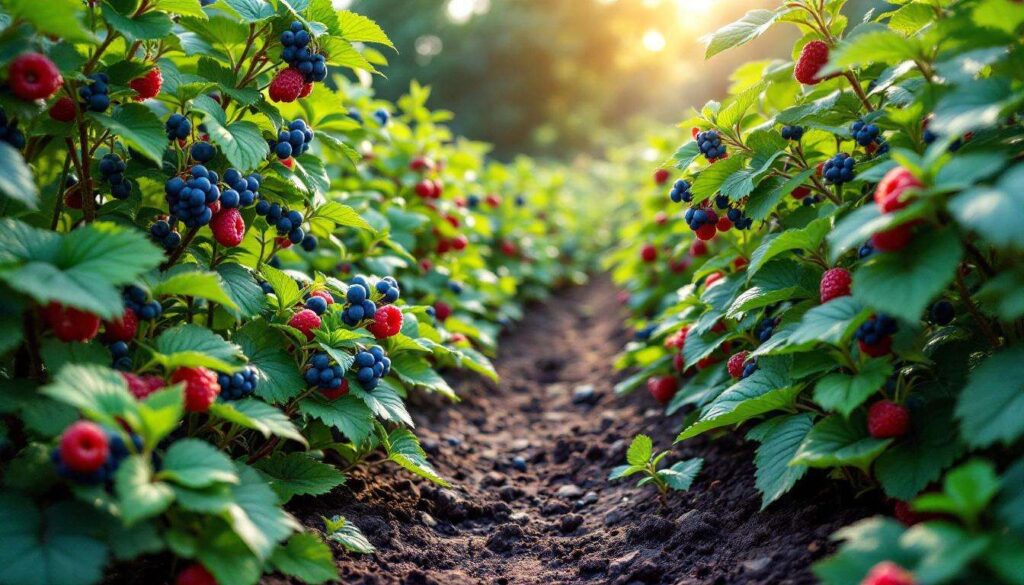
Growing your own blueberries and raspberries offers a rewarding experience that combines gardening satisfaction with the pleasure of harvesting fresh, flavorful fruits right from your backyard. These small fruits thrive in specific conditions, particularly when planted in acidic soil during the optimal window of early spring. March presents an ideal opportunity to establish these bushes, setting the stage for a bountiful summer harvest that will provide weeks of delicious berries for fresh eating, preserving, or baking.
Importance of soil choice for small fruit cultivation
Understanding acidic soil requirements
Both blueberries and raspberries demand acidic soil conditions to flourish and produce abundant fruit. The pH level serves as a critical factor in determining whether these plants can access essential nutrients. Blueberries require a pH range between 4.5 and 5.5, while raspberries tolerate a slightly broader range of 5.5 to 6.5. When soil pH rises above these thresholds, plants struggle to absorb iron and other micronutrients, leading to yellowing leaves and reduced fruit production.
Testing and amending your soil
Before planting, conducting a soil test provides valuable information about your garden’s current pH level and nutrient composition. Simple test kits available at garden centers deliver results within minutes, while laboratory analysis offers more comprehensive data. If your soil proves too alkaline, several amendments can lower the pH effectively:
- Elemental sulfur applied several months before planting
- Sphagnum peat moss mixed into the planting area
- Pine needle mulch as a surface layer
- Composted oak leaves incorporated into the soil
These organic materials not only adjust pH levels but also improve soil structure and moisture retention, creating an environment where berry bushes can establish strong root systems.
Long-term soil management strategies
Maintaining proper soil acidity requires ongoing attention throughout the growing season. Annual soil testing helps monitor pH fluctuations, while regular applications of acidifying fertilizers specifically formulated for berry crops support consistent growth. Mulching with acidic materials creates a protective layer that gradually breaks down, continuously contributing to the desired pH range while suppressing weeds and conserving moisture.
Once you’ve prepared the ideal soil environment, timing your planting becomes the next crucial consideration for success.
Why plant in March for optimal yield
The dormancy advantage
March represents a strategic planting window when berry bushes remain dormant yet soil temperatures begin warming. Planting during this period allows roots to establish themselves before the energy-demanding process of leaf and flower production begins. This head start proves essential for plants to develop the robust root systems necessary to support heavy fruit loads during summer months.
Climate considerations across regions
The ideal March planting window varies depending on your geographical location and local climate patterns. Gardeners should monitor soil conditions rather than relying solely on calendar dates:
| Region | Planting Window | Soil Temperature |
|---|---|---|
| Northern zones | Late March to early April | 40-45°F |
| Central zones | Early to mid-March | 45-50°F |
| Southern zones | Late February to early March | 50-55°F |
Benefits of early establishment
Plants installed in March benefit from spring rainfall patterns that naturally provide consistent moisture during the critical establishment phase. This reduces irrigation demands and helps roots penetrate deeply into the soil profile. Additionally, early planting allows bushes to acclimate to their environment before summer heat arrives, minimizing transplant shock and promoting vigorous growth that translates directly into improved fruit production.
Understanding the unique characteristics of each berry type ensures you meet their specific needs effectively.
Specific requirements of blueberries and raspberries
Blueberry varieties and their preferences
Blueberries come in several distinct types, each adapted to different climate zones and offering unique characteristics. Highbush blueberries suit northern gardens, while rabbiteye varieties thrive in warmer southern climates. Lowbush blueberries work well as ground covers in cold regions. These plants require full sun exposure, receiving at least six to eight hours of direct sunlight daily for optimal fruit development. Cross-pollination between different varieties significantly increases berry size and yield, making it advisable to plant at least two compatible cultivars.
Raspberry types and growing habits
Raspberries divide into two main categories based on fruiting patterns. Summer-bearing varieties produce a single large crop on second-year canes, while everbearing types yield two harvests: a fall crop on first-year canes and a summer crop on second-year growth. Red raspberries remain the most popular choice, though black and purple varieties offer distinctive flavors worth exploring. These plants tolerate partial shade better than blueberries but still perform best with substantial sunlight.
Spacing and site selection
Proper spacing prevents overcrowding and promotes air circulation, reducing disease pressure. Blueberry bushes require spacing of 4 to 6 feet between plants, while raspberry canes need 2 to 3 feet within rows and 6 to 8 feet between rows. Both crops benefit from sites with good drainage and protection from strong winds that can damage delicate flowers and developing fruits.
With these requirements in mind, proper planting techniques set the foundation for healthy, productive bushes.
Planting techniques to encourage growth
Preparing the planting site
Thorough site preparation begins several weeks before planting day. Remove all weeds and grass from the designated area, then dig holes twice as wide as the root ball but no deeper. Creating a raised bed improves drainage in heavy clay soils while making it easier to maintain acidic conditions. Incorporate generous amounts of compost and acidic amendments into the native soil, creating a hospitable environment for new roots to explore.
Proper planting depth and technique
Setting plants at the correct depth prevents numerous problems down the line. For container-grown bushes, position the plant so the top of the root ball sits level with or slightly above the surrounding soil surface. Bare-root plants should have their roots spread naturally in the hole, with the crown positioned at ground level. Key steps include:
- Gently loosening root-bound plants to encourage outward growth
- Backfilling with amended soil, firming gently to eliminate air pockets
- Creating a shallow basin around each plant to hold water
- Watering thoroughly immediately after planting
- Applying a 2-3 inch layer of acidic mulch around the base
Initial pruning considerations
While it seems counterintuitive, removing flowers during the first growing season redirects energy toward root and vegetative growth rather than fruit production. This sacrifice pays dividends in subsequent years when well-established plants produce significantly larger crops. For raspberries, cut all canes back to 6 inches after planting to stimulate vigorous new growth from the base.
After planting, consistent care throughout the growing season determines harvest success.
Maintenance and care for an abundant summer harvest
Irrigation management
Berry bushes require consistent moisture throughout the growing season, particularly during fruit development. Shallow root systems make these plants vulnerable to drought stress, which reduces fruit size and sweetness. Drip irrigation or soaker hoses deliver water directly to the root zone while keeping foliage dry, minimizing disease problems. Aim for 1 to 2 inches of water weekly, adjusting based on rainfall and temperature.
Fertilization schedule
Feeding berry bushes requires a balanced approach that supports growth without encouraging excessive vegetative development at the expense of fruit production. Apply acidifying fertilizers formulated for berry crops in early spring as growth begins, following package directions carefully. A second lighter application after harvest supports the following year’s fruit bud development. Avoid high-nitrogen fertilizers that promote soft growth susceptible to winter damage.
Pest and disease monitoring
Regular inspection helps catch problems before they escalate into serious issues. Common challenges include:
- Japanese beetles on raspberry foliage during summer
- Spotted wing drosophila targeting ripening berries
- Powdery mildew on leaves during humid periods
- Root rot in poorly drained locations
- Birds competing for ripe fruits
Integrated pest management combining cultural practices, physical barriers like netting, and targeted organic treatments when necessary provides effective control while minimizing environmental impact.
These careful maintenance practices culminate in the rewarding experience of harvest time.
Harvesting and enjoying your fruits at their peak flavor
Recognizing ripeness indicators
Blueberries reach peak flavor several days after turning completely blue, developing full sweetness as sugars accumulate. Ripe berries detach easily from the stem with gentle pressure. Raspberries signal readiness by releasing cleanly from the core when lightly tugged, with color deepening to rich red, black, or golden yellow depending on variety. Harvesting every two to three days during peak season prevents overripe fruits from dropping or attracting pests.
Proper harvesting techniques
Gentle handling preserves fruit quality and extends storage life. Pick berries during cool morning hours when sugars concentrate and fruits remain firm. Use shallow containers to prevent crushing lower layers, and avoid washing berries until just before use to prevent premature spoilage. Regular harvesting also encourages plants to continue producing new fruits throughout the season.
Storage and preservation methods
Fresh berries keep best when refrigerated immediately after harvest, maintaining quality for up to one week. For longer-term enjoyment, freezing preserves flavor exceptionally well. Spread unwashed berries in a single layer on baking sheets, freeze until solid, then transfer to freezer bags. Other preservation options include making jams, syrups, and desserts that capture summer flavors for year-round enjoyment.
Successfully growing blueberries and raspberries requires attention to soil acidity, proper timing, and consistent care throughout the season. Planting these small fruits in March positions them for optimal establishment, while acidic soil amendments create the foundation for healthy growth. Regular maintenance including appropriate watering, fertilization, and pest management ensures bushes reach their productive potential. The reward arrives in summer when baskets fill with fresh berries offering unmatched flavor and nutrition, making the investment of time and effort thoroughly worthwhile for any home gardener.