



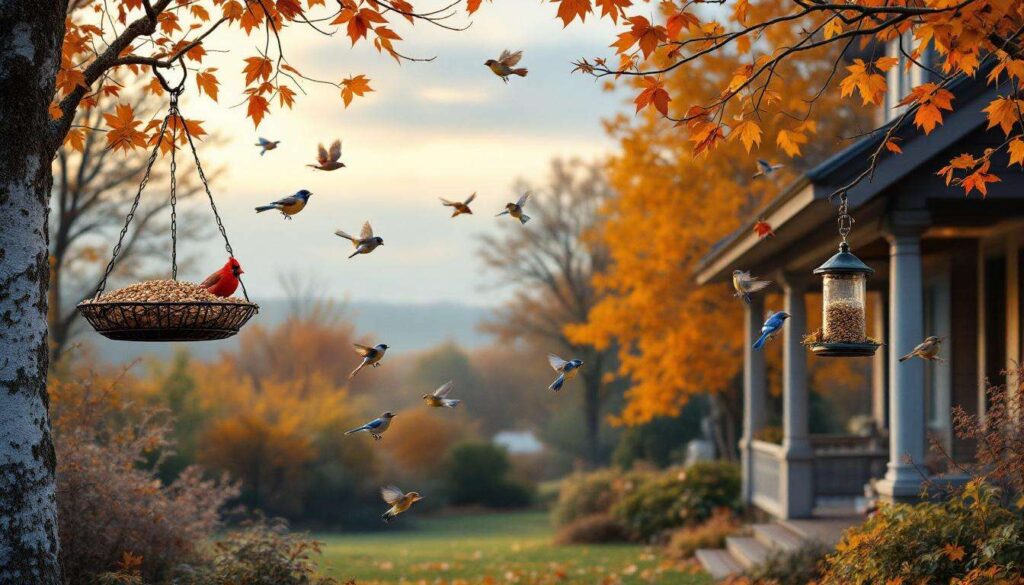
Across North America, climate shifts have accelerated migratory patterns, pushing countless bird species to begin their journeys weeks earlier than traditional timelines. This phenomenon places unexpected demands on habitats along migration routes, where natural food sources may not yet be available. Backyard bird enthusiasts now face a critical window to support these early travelers by ensuring feeders are stocked and ready. Understanding this shift and responding appropriately can mean the difference between thriving populations and struggling flocks desperately searching for sustenance during their demanding travels.
The impact of early migration on birds
Warming temperatures and shifting weather patterns have fundamentally altered the biological clocks that guide migratory species. Birds that historically departed their wintering grounds in late March now begin their northward journeys as early as mid-February, creating a mismatch between arrival times and the natural emergence of insects, seeds, and flowering plants they depend upon.
Physiological stress from early departures
Migration demands extraordinary energy reserves, with some species losing up to 30 percent of their body weight during long-distance flights. When birds arrive at stopover sites before natural food sources have emerged, they face several critical challenges:
- Depleted fat reserves with limited replenishment options
- Increased competition for scarce resources
- Weakened immune systems making them vulnerable to disease
- Reduced breeding success upon reaching nesting grounds
Species most affected by timing mismatches
Research indicates that insectivorous species face the greatest challenges, as insect emergence remains tied to traditional temperature cues that may lag behind bird arrivals. Warblers, thrushes, and flycatchers particularly struggle when arriving at territories where caterpillar populations have not yet peaked. Seed-eating species like sparrows and finches also encounter difficulties when native plants have not yet produced their seasonal offerings.
| Species Group | Traditional Arrival | Current Arrival | Food Gap (Days) |
|---|---|---|---|
| Warblers | April 15-30 | March 25-April 10 | 15-20 |
| Sparrows | March 20-April 5 | March 1-15 | 14-21 |
| Hummingbirds | April 10-25 | March 20-April 5 | 10-15 |
These timing disruptions create urgent needs for supplemental feeding stations that can bridge the gap between arrival and natural food availability.
Why fill your feeders now
Immediate action on feeder maintenance and stocking provides essential support during this critical transition period. Birds migrating through your area may spend only 24 to 72 hours refueling before continuing their journey, making every feeding opportunity crucial for their survival and successful reproduction.
The critical refueling window
Migratory birds operate on tight energy budgets, calculating fuel reserves against distance remaining to breeding territories. A well-stocked feeder can provide the caloric boost needed to complete their journey successfully. Studies show that birds with access to supplemental feeding stations during migration arrive at breeding grounds in better physical condition, leading to higher nesting success rates and healthier offspring.
Supporting local and long-distance migrants
Your feeders serve dual purposes during early spring, supporting both short-distance migrants returning from southern states and long-distance travelers arriving from Central and South America. Species like American goldfinches may only have moved a few hundred miles, while Baltimore orioles could be completing journeys exceeding 2,000 miles. Both groups benefit equally from reliable food sources during this demanding period.
Understanding which seeds best support these diverse nutritional needs becomes the next essential consideration for conscientious bird supporters.
The best seeds to feed the migrants
Selecting appropriate seed varieties maximizes the nutritional value birds receive while attracting the widest range of species to your feeding stations. Different migrants have evolved specialized dietary preferences, and offering variety ensures comprehensive support across multiple species.
High-energy seed selections
Black oil sunflower seeds remain the gold standard for migratory bird feeding, offering high fat content and easily cracked shells that accommodate various beak sizes and strengths. Their caloric density provides maximum energy in minimal feeding time, allowing birds to quickly replenish reserves before continuing their journeys.
- Nyjer (thistle) seeds: essential for finches and siskins
- White proso millet: preferred by ground-feeding sparrows and juncos
- Safflower seeds: attracts cardinals while deterring squirrels
- Peanut pieces: high-protein option for woodpeckers and nuthatches
- Suet cakes: critical fat source for insect-eating species
Specialized offerings for specific migrants
Beyond seeds, certain migrants benefit from supplemental foods that mimic their natural diets. Offering mealworms supports bluebirds and robins transitioning from winter fruits to summer insects. Grape jelly and orange halves attract orioles, while sugar water feeders provide essential calories for early-arriving hummingbirds before native flowers bloom.
| Food Type | Primary Beneficiaries | Nutritional Benefit |
|---|---|---|
| Black oil sunflower | Cardinals, chickadees, finches | High fat content |
| Nyjer seeds | Goldfinches, siskins | Protein and oil |
| Suet cakes | Woodpeckers, warblers | Dense calories and fat |
| Mealworms | Bluebirds, robins | Protein for muscle repair |
Proper presentation of these foods enhances their effectiveness and creates optimal viewing opportunities for observers.
How to observe migratory birds in your yard
Strategic feeder placement and thoughtful yard design transform ordinary backyards into premier migration viewing stations while providing safe, accessible feeding environments for traveling birds.
Optimal feeder positioning
Position feeders within 10 to 15 feet of protective cover such as shrubs or small trees, allowing birds quick escape routes from predators while maintaining clear sightlines for human observers. Avoid placing feeders directly against windows to prevent collision injuries, instead positioning them either closer than three feet or farther than ten feet from glass surfaces.
Creating layered habitat
Migrants seek yards offering multiple vegetation layers that replicate natural forest edge habitats. Incorporate these elements to maximize species diversity:
- Tall trees providing canopy cover and observation perches
- Mid-level shrubs offering protective nesting and resting sites
- Low groundcover plants supporting ground-feeding species
- Water features with shallow edges for drinking and bathing
- Brush piles creating shelter and insect habitat
Documentation and citizen science
Recording your observations contributes valuable data to migration research while deepening your personal connection to these remarkable journeys. Maintain a simple log noting species, numbers, and arrival dates, then submit observations to eBird or similar platforms where scientists track population trends and migration timing shifts.
Even well-intentioned feeding efforts can inadvertently harm birds when common errors compromise food quality or safety.
Common mistakes to avoid when feeding
Understanding potential pitfalls prevents well-meaning efforts from creating hazards that undermine the health and safety of visiting migrants.
Neglecting feeder hygiene
Disease transmission represents the most serious risk at poorly maintained feeding stations. Salmonella, aspergillosis, and other pathogens spread rapidly when birds congregate at contaminated feeders. Clean feeders thoroughly every two weeks using a solution of one part bleach to nine parts water, rinse completely, and allow to dry before refilling.
Offering inappropriate or spoiled foods
Several commonly offered foods actually harm birds rather than help them:
- Bread products: provide minimal nutrition and fill stomachs without meeting energy needs
- Moldy or wet seeds: harbor dangerous fungi and bacteria
- Salted or seasoned items: damage kidneys and disrupt electrolyte balance
- Honey-water solutions: promote fungal growth toxic to hummingbirds
Creating predator opportunities
Feeder placement that exposes birds to window strikes or predator attacks negates the benefits of supplemental feeding. Ensure cats remain indoors during peak migration periods, position feeders away from hiding spots where predators might ambush feeding birds, and apply window treatments to prevent collision injuries.
Expanding these individual efforts through community engagement multiplies positive impacts across entire regions.
Engaging your community: a step for local wildlife
Collective action amplifies individual conservation efforts, creating networks of safe stopover sites that support entire migration corridors rather than isolated feeding stations.
Organizing neighborhood initiatives
Coordinate with neighbors to establish bird-friendly zones where multiple properties provide complementary resources. One yard might focus on seed feeders while another offers water features and native plantings, creating diverse habitat patches that support varied species needs. Neighborhood groups can pool resources for bulk seed purchases, reducing costs while ensuring consistent food availability throughout migration seasons.
Educational outreach programs
Partner with local schools, libraries, and nature centers to share migration knowledge and inspire broader participation in bird conservation. Simple programs might include:
- Guided bird walks during peak migration periods
- Feeder-building workshops using recycled materials
- Photography contests highlighting local migrants
- Presentations on migration ecology and climate impacts
Supporting regional conservation efforts
Connect individual actions to larger conservation initiatives by supporting organizations working to preserve critical migration habitats. Many regional Audubon chapters coordinate Important Bird Area programs identifying and protecting key stopover sites. Volunteer for habitat restoration projects, advocate for bird-friendly building practices, and participate in monitoring programs that inform conservation priorities.
Responding to early migration patterns through thoughtful feeder management represents a simple yet powerful way individuals can support bird populations facing unprecedented environmental challenges. Stocking feeders with appropriate high-energy foods, maintaining clean feeding stations, and creating safe yard habitats provide essential resources during critical refueling periods. These individual efforts gain exponential impact when communities coordinate actions, transforming neighborhoods into vital migration corridors. As climate patterns continue shifting traditional migration schedules, the simple act of filling feeders becomes an increasingly important conservation tool connecting backyard enthusiasts to global bird protection efforts.