



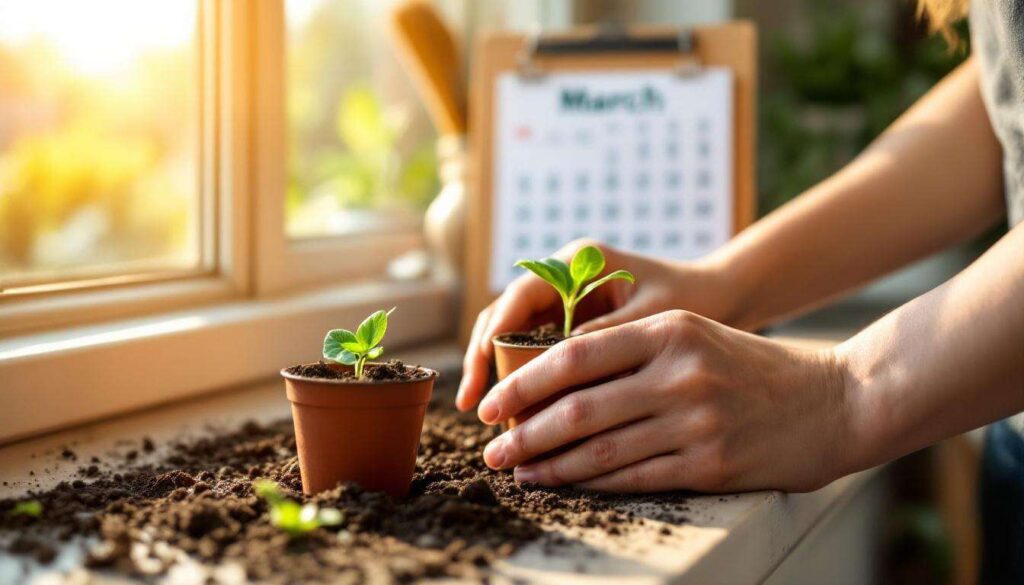
The arrival of spring brings an irresistible urge to start planting, and March often feels like the perfect moment to begin sowing seeds indoors. However, this enthusiasm can lead to one of the most common and costly mistakes that new gardeners make: starting seeds too early. The timing of seed starting is a critical factor that determines whether your plants will thrive or struggle throughout the growing season. Understanding the proper timing requires knowledge of your local climate, the specific needs of different plant varieties, and the potential consequences of getting it wrong. Many beginners assume that earlier is always better, believing that giving plants a head start will result in earlier harvests and more robust growth. Unfortunately, this misconception often leads to leggy, weak seedlings that struggle when transplanted outdoors, or worse, plants that outgrow their containers before the weather is suitable for planting outside.
Common mistake: sowing too early in March
Why March feels like the right time
March marks the transition from winter to spring in many regions, and the increasing daylight hours trigger a natural desire to begin gardening activities. Garden centers stock their shelves with seed packets and starting supplies, creating an atmosphere of urgency and excitement. New gardeners often interpret these signals as a green light to start sowing immediately, without considering their specific location or the requirements of individual plants. The availability of products and the marketing messages surrounding spring planting can be misleading, suggesting that March is universally appropriate for seed starting when the reality is far more nuanced.
The consequences of premature enthusiasm
Starting seeds too early in March creates several problems that compound as the season progresses. Plants that germinate and grow indoors for too long become etiolated, meaning they stretch toward light sources and develop weak, spindly stems. These seedlings also develop extensive root systems that quickly outgrow their containers, becoming root-bound and stressed. When transplant time finally arrives, these overgrown plants experience transplant shock more severely than properly timed seedlings, often requiring weeks to recover and resume normal growth. Additionally, seedlings started too early may begin flowering or fruiting prematurely, which can reduce overall productivity throughout the season.
| Plant Type | Weeks Before Last Frost | Common March Mistake |
|---|---|---|
| Tomatoes | 6-8 weeks | Starting 10-12 weeks early |
| Peppers | 8-10 weeks | Starting 12-14 weeks early |
| Lettuce | 4-6 weeks | Starting 8-10 weeks early |
| Squash | 2-3 weeks | Starting 6-8 weeks early |
Understanding these timing requirements helps explain why starting everything in early March rarely produces optimal results. The relationship between seed starting date and transplant readiness must align with local growing conditions.
The importance of local climate for seeding
Frost dates and hardiness zones
The last expected frost date for your specific location serves as the anchor point for all seed starting calculations. This date varies dramatically across different regions, with some areas experiencing their last frost in early March while others may see frost well into May or even June. The USDA hardiness zone system provides a general framework, but it represents average minimum winter temperatures rather than specific frost dates. Gardeners must research their local frost date patterns using resources from agricultural extension offices, weather services, or experienced local gardeners who have tracked conditions over multiple years.
Microclimates and local variations
Even within a single hardiness zone, significant variations exist based on factors such as:
- Elevation differences that create temperature variations of several degrees
- Proximity to large bodies of water that moderate temperature extremes
- Urban heat island effects that extend growing seasons in cities
- Valley locations where cold air settles, creating frost pockets
- South-facing slopes that warm earlier than north-facing areas
These microclimatic factors mean that two gardens located just a few miles apart may have substantially different optimal planting dates. New gardeners who follow generic March planting advice without considering these local variables set themselves up for disappointment. The difference between a successful garden and a struggling one often comes down to acknowledging and working with these specific environmental conditions rather than following one-size-fits-all recommendations.
With an understanding of how local climate affects timing, gardeners need practical methods to determine the right moment to begin sowing their seeds.
How to determine the right period for seeding
Working backward from transplant dates
The most reliable method for determining seed starting dates involves reverse calculation from the safe transplant date. Begin by identifying your last expected frost date, then add one to two weeks as a safety buffer for frost-sensitive plants like tomatoes, peppers, and squash. Next, consult seed packets or reliable growing guides to find the recommended number of weeks seeds need to grow indoors before transplanting. Subtract this number from your safe transplant date to arrive at the optimal seed starting date. This calculation ensures that seedlings reach transplant size exactly when outdoor conditions become suitable.
Creating a personalized seeding calendar
Developing a customized seeding schedule eliminates guesswork and prevents the common mistake of starting everything simultaneously in March. A well-designed calendar should include:
- Specific start dates for each plant variety based on indoor growing time requirements
- Notes about succession planting for crops like lettuce and beans
- Reminders for hardening off periods before transplanting
- Alternative direct-sowing dates for plants that prefer outdoor germination
- Flexibility adjustments based on actual spring weather patterns
This personalized approach recognizes that different plants have vastly different timing requirements. While some crops like onions and leeks benefit from early March starting in many zones, others like cucumbers and beans should wait until much later. Recording observations and results from each season allows gardeners to refine their calendar over time, improving accuracy and outcomes year after year.
Understanding proper timing becomes even more important when considering what can go wrong with premature seeding.
The risks of premature seeding
Physiological problems in seedlings
Seedlings started too early face multiple physiological challenges that compromise their long-term health and productivity. Extended indoor growth periods lead to excessive vegetative development at the expense of root system quality. Plants may also experience nutrient deficiencies as they exhaust the limited resources available in seed starting mix, even with supplemental feeding. The artificial indoor environment creates seedlings adapted to stable temperatures, consistent moisture, and protected conditions, making the eventual transition to outdoor growing significantly more stressful. Some plants, particularly those sensitive to root disturbance like cucurbits, never fully recover from being transplanted in an overgrown state.
Practical and economic consequences
Beyond the biological impacts, starting seeds too early creates practical challenges that new gardeners often underestimate. Seedlings that outpace the season require:
- Repeated transplanting into larger containers, increasing material costs and labor
- Additional growing space that may not be available in limited indoor areas
- Extended periods of supplemental lighting, raising electricity costs
- Increased watering and fertilizing frequency, demanding more time and attention
- Greater risk of pest and disease problems in crowded, long-term indoor conditions
The financial investment in seeds, containers, soil, and time can be completely wasted if plants become too stressed or diseased before they ever reach the garden. Even if overgrown seedlings survive transplanting, they typically produce less than properly timed plants, failing to deliver the abundant harvests that motivated the gardening effort in the first place. Understanding these risks helps gardeners appreciate why patience and proper timing ultimately save both money and frustration.
Fortunately, gardeners who find themselves off schedule have options for correcting timing mistakes.
Tips for catching up on a delay or advance
Managing seedlings started too early
If you discover your seedlings are growing too quickly for the season, several strategies can help manage the situation. Reducing temperature slows growth significantly, so moving plants to a cooler location can buy valuable time. Decreasing fertilizer applications and allowing soil to dry slightly between waterings also moderates growth rates without harming plants. For seedlings that have become leggy, transplanting them deeper when moving to larger containers or into the garden can help, particularly with tomatoes which develop roots along buried stems. Some gardeners successfully employ pinching techniques to encourage bushier growth and delay maturity, though this requires knowledge of which plants respond well to this treatment.
Recovering from a late start
Starting seeds later than ideal is generally less problematic than starting too early, and several approaches can help compensate for lost time:
- Purchasing started transplants from nurseries to supplement late-sown seeds
- Choosing fast-maturing varieties that require fewer days to harvest
- Providing optimal growing conditions to maximize growth rates
- Using season extension techniques like row covers to protect early transplants
- Focusing on quick-growing crops that can still produce well despite a late start
Many vegetables remain productive even when planted later than recommended, particularly in regions with long growing seasons. Cool-season crops like lettuce, spinach, and peas actually prefer being planted later in spring when started indoors, as they struggle in hot conditions. A late start also means less time managing indoor seedlings and often results in stronger, more compact transplants that establish quickly outdoors. Rather than viewing a delayed start as a failure, gardeners can reframe it as an opportunity to avoid the complications of premature seeding.
Selecting appropriate seeds for your specific timing needs further increases the likelihood of success.
Choosing the right seeds according to the season
Matching varieties to your growing window
Seed catalogs and packets provide critical information about days to maturity, which indicates how long plants need from transplanting or germination to harvest. In regions with shorter growing seasons, choosing varieties with fewer days to maturity becomes essential for success. Gardeners who start seeds late should prioritize these quick-maturing options to ensure harvests before fall frost arrives. Conversely, those with extended growing seasons can select varieties bred for sustained production or larger fruit size, which typically require longer maturation periods. Heirloom varieties often need more time than modern hybrids developed for efficiency, making them less suitable for late starts or short seasons.
Cool-season versus warm-season considerations
Understanding the fundamental difference between cool-season and warm-season crops prevents timing mistakes throughout the growing calendar. Cool-season plants include:
- Lettuce, spinach, and other salad greens
- Peas, both snap and shelling varieties
- Brassicas like broccoli, cabbage, and kale
- Root vegetables including carrots, radishes, and beets
These crops tolerate or even prefer cooler temperatures and can be started earlier in spring or even late winter in mild climates. Warm-season crops such as tomatoes, peppers, cucumbers, squash, and beans require consistently warm soil and air temperatures and suffer or die if exposed to frost. Starting warm-season crops too early in March, particularly in northern regions, represents the most common timing error. These plants should wait until both indoor growing time and outdoor conditions align properly, which often means starting seeds in April or even May rather than March.
Successful gardening relies on recognizing that timing determines whether seeds transform into thriving plants or disappointing failures. The enthusiasm that drives new gardeners to start seeds in early March must be tempered with knowledge of local climate conditions, understanding of individual plant requirements, and patience to wait for the optimal moment. While March may work perfectly for some crops in certain regions, it represents premature planting for many situations. By calculating backward from safe transplant dates, creating personalized seeding calendars, and choosing varieties matched to available growing time, gardeners avoid the costly mistakes that undermine their efforts. The difference between starting seeds at the right time versus too early often determines whether a garden produces abundant harvests or struggles throughout the season, making proper timing one of the most valuable skills a gardener can develop.