



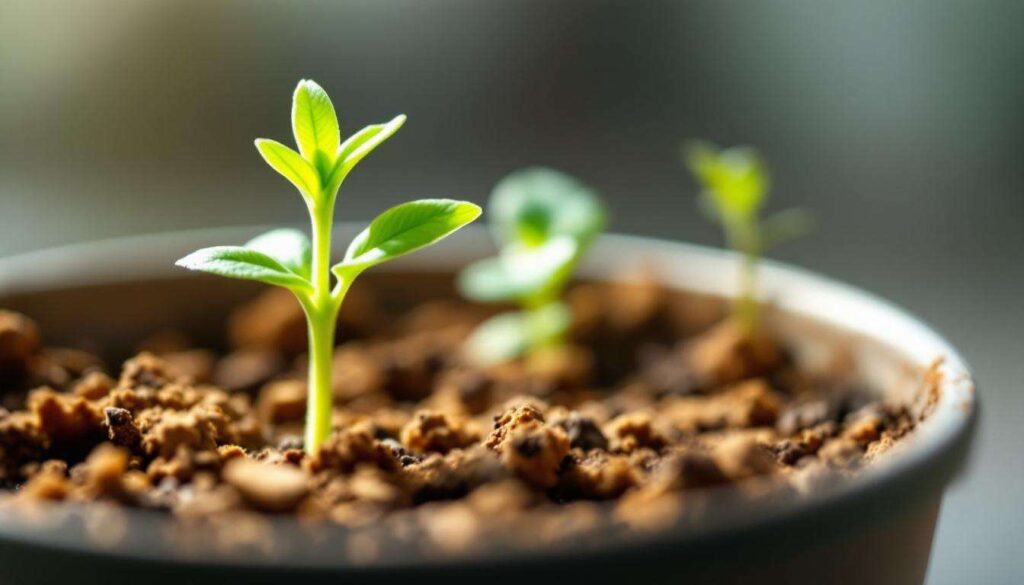
Gardeners constantly seek natural solutions to protect their delicate seedlings from common threats like damping-off disease and fungal infections. Among the arsenal of organic remedies, one kitchen spice has emerged as a surprisingly effective guardian: cinnamon. This humble ingredient, typically reserved for baking and beverages, possesses remarkable antimicrobial and antifungal properties that can dramatically improve seedling survival rates. By incorporating cinnamon into potting soil, many gardeners have discovered a simple yet powerful method to safeguard their young plants during their most vulnerable growth stage.
The benefits of cinnamon on seedlings
Natural antifungal properties
Cinnamon contains cinnamaldehyde, a compound with potent antifungal characteristics that directly combat the pathogens responsible for seedling mortality. This organic substance creates an inhospitable environment for harmful fungi without introducing synthetic chemicals into the growing medium. The spice effectively targets Pythium and Rhizoctonia, two notorious culprits behind damping-off disease that causes seedlings to collapse at the soil line.
Protection against damping-off disease
Damping-off represents one of the most devastating conditions affecting young plants, striking suddenly and spreading rapidly through seed trays. Cinnamon acts as a preventive barrier by inhibiting the growth of these destructive organisms before they can establish themselves in the soil. Unlike chemical fungicides, cinnamon provides protection while maintaining the beneficial microbial balance essential for healthy root development.
Additional advantages for plant health
Beyond its antifungal capabilities, cinnamon offers several complementary benefits:
- Stimulates root development by creating optimal soil conditions
- Repels certain soil-dwelling pests like fungus gnats
- Promotes stronger stem growth in emerging seedlings
- Reduces the need for chemical interventions
- Remains cost-effective compared to commercial treatments
Understanding these protective mechanisms reveals why cinnamon has become such a valuable tool for nurturing seedlings through their critical early stages, leading naturally to exploring exactly how this spice accomplishes its protective role.
How cinnamon protects plantings
The science behind cinnamon’s effectiveness
The protective power of cinnamon stems from its essential oils and bioactive compounds that interfere with fungal cell membranes. When applied to soil, these compounds create a microenvironment where pathogenic fungi struggle to reproduce and spread. Research has demonstrated that cinnamon extract can reduce fungal growth by up to 80% in controlled conditions, making it a formidable ally in seedling protection.
Mechanisms of action in soil
Once incorporated into potting mix, cinnamon works through multiple pathways:
| Mechanism | Effect | Duration |
|---|---|---|
| Contact inhibition | Prevents spore germination | 2-3 weeks |
| Antimicrobial release | Suppresses pathogen growth | 3-4 weeks |
| pH modification | Creates unfavorable conditions | 4-6 weeks |
Interaction with beneficial organisms
Unlike broad-spectrum fungicides, cinnamon demonstrates selective action that primarily targets pathogenic species while preserving beneficial soil microbes. This selectivity ensures that helpful bacteria and mycorrhizal fungi continue supporting seedling nutrition and development. The spice maintains the delicate ecological balance necessary for robust plant establishment, creating conditions where young plants can thrive without interference from harmful organisms.
With this understanding of cinnamon’s protective mechanisms established, the practical application becomes the next logical consideration for gardeners eager to implement this strategy.
Preparing soil with cinnamon
Proper mixing ratios and techniques
Achieving optimal results requires precise measurement and thorough incorporation. For standard seed-starting applications, gardeners should add one teaspoon of ground cinnamon per quart of potting soil. This concentration provides sufficient protection without overwhelming the growing medium or affecting seed germination rates. Mix the cinnamon thoroughly throughout the soil to ensure even distribution and consistent protection across all planting areas.
Application methods for different scenarios
Gardeners can employ cinnamon in various ways depending on their specific needs:
- Pre-mixed method: Blend cinnamon into dry potting soil before moistening
- Top-dressing technique: Sprinkle lightly on soil surface after sowing seeds
- Transplant treatment: Dust root balls before moving seedlings to larger containers
- Cutting propagation: Apply to cut ends to prevent rot during rooting
Timing and frequency considerations
Initial application should occur before or immediately after sowing seeds to establish protective conditions from the start. For extended growing periods, gardeners may reapply a light dusting every three to four weeks, particularly in humid conditions where fungal pressure remains high. Avoid excessive application, as concentrations beyond recommended levels provide no additional benefit and may potentially interfere with seed germination.
These practical guidelines gain credibility when supported by real experiences from gardeners who have successfully implemented cinnamon in their cultivation practices.
Experiences and testimonials from gardeners
Success stories from home gardeners
Numerous cultivators report dramatic improvements in seedling survival after adopting cinnamon treatments. One vegetable gardener documented a 95% survival rate for tomato seedlings compared to previous years when losses exceeded 40%. Another enthusiast specializing in herbs noted that basil seedlings, notoriously susceptible to damping-off, showed remarkable resilience when grown in cinnamon-amended soil.
Commercial and professional applications
Small-scale nursery operators have integrated cinnamon into their propagation protocols with measurable results. Professional growers appreciate the natural approach that aligns with organic certification requirements while delivering reliable protection. Several greenhouse managers report reduced fungicide costs and improved customer satisfaction due to healthier transplants.
Comparative results with conventional methods
| Treatment Type | Seedling Survival | Cost per Tray |
|---|---|---|
| No treatment | 65-70% | $0 |
| Chemical fungicide | 85-90% | $2.50 |
| Cinnamon treatment | 90-95% | $0.25 |
These testimonials and data points demonstrate cinnamon’s practical value, naturally leading to guidance on optimizing its use within broader gardening routines.
Tips for integrating cinnamon into gardening
Selecting quality cinnamon products
Not all cinnamon products deliver equal results. Ceylon cinnamon contains higher concentrations of beneficial compounds compared to cassia varieties, though both provide adequate protection. Purchase fresh, finely ground cinnamon for best dispersion throughout soil. Avoid products with additives or anti-caking agents that might interfere with soil chemistry or plant health.
Combining with other organic practices
Cinnamon works synergistically with complementary techniques:
- Maintain proper air circulation to reduce humidity around seedlings
- Use sterilized potting mix to minimize initial pathogen load
- Water from below to keep foliage dry
- Provide adequate lighting to strengthen plant tissues
- Monitor temperature to avoid conditions favoring fungal growth
Storage and shelf life considerations
Store cinnamon in airtight containers away from light and moisture to preserve its antimicrobial potency. Ground cinnamon maintains effectiveness for approximately six months when properly stored. Replace older supplies regularly to ensure maximum protective benefits. Consider purchasing in smaller quantities to guarantee freshness throughout the growing season.
Troubleshooting common issues
If seedlings still struggle despite cinnamon treatment, evaluate environmental factors like excessive moisture, poor drainage, or contaminated tools. Increase cinnamon concentration slightly if fungal pressure remains high, but avoid exceeding two teaspoons per quart of soil. Combine cinnamon with improved cultural practices for comprehensive protection against seedling diseases.
The integration of cinnamon into potting soil represents a practical, affordable, and environmentally responsible approach to seedling protection. This natural fungicide offers proven effectiveness against damping-off disease while supporting overall plant health through its antimicrobial properties. Gardeners who adopt this simple technique often experience significantly improved survival rates, reduced reliance on synthetic chemicals, and greater confidence in their propagation efforts. By following proper application methods and combining cinnamon with sound horticultural practices, both novice and experienced growers can nurture stronger, healthier seedlings that establish vigorous growth patterns for productive gardens.