



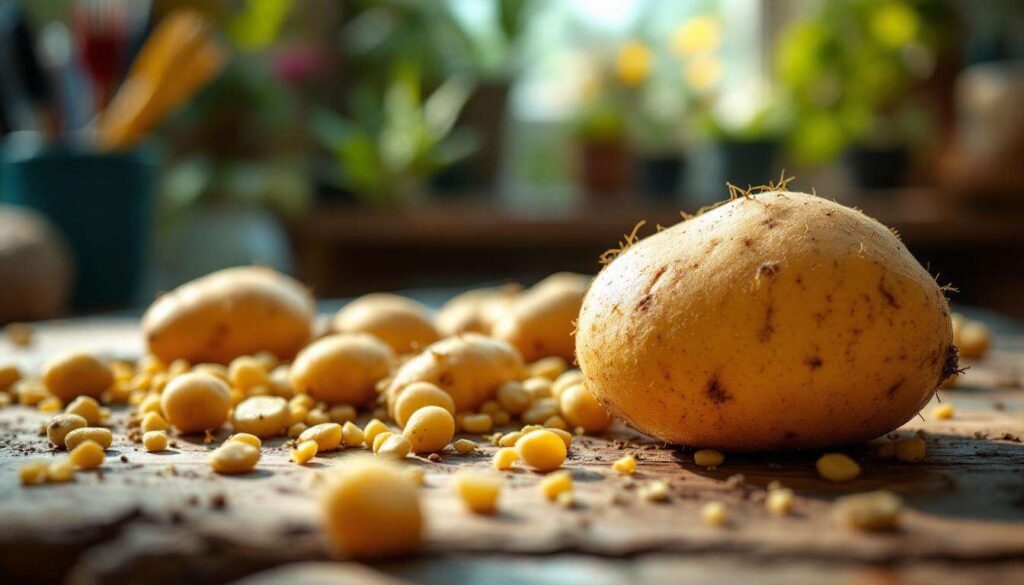
Growing potatoes successfully requires more than simply planting tubers in the ground and waiting for harvest time. Chitting, a pre-planting technique that encourages sprouting before soil contact, has become an essential practice for gardeners seeking robust plants and earlier yields. This method involves exposing seed potatoes to light in cool conditions, allowing them to develop sturdy shoots that translate into vigorous growth once planted. March represents the optimal window for beginning this process in many regions, positioning crops for maximum productivity throughout the growing season. Understanding the science and practical application of chitting transforms ordinary potato cultivation into a strategic endeavor that rewards patience with superior results.
Introduction to the chitting method
What chitting actually means
Chitting refers to the controlled sprouting of seed potatoes before they enter the soil. Unlike the pale, elongated shoots that develop in dark storage, chitted potatoes produce short, sturdy, green or purple sprouts through exposure to indirect light. This physiological preparation activates the tuber’s growth mechanisms while maintaining compact, robust shoot development that withstands transplanting stress.
The biological advantage behind pre-sprouting
When seed potatoes undergo chitting, several beneficial processes occur:
- Dormancy breaks naturally without soil moisture risks
- Energy reserves mobilize toward shoot development
- Multiple eyes activate, creating backup growth points
- Disease susceptibility decreases through hardened sprouts
- Photosynthesis begins in developing shoots
These changes create a head start of approximately two to six weeks compared to unchitted seed potatoes. The method essentially extends the growing season backward, allowing plants to establish faster once soil temperatures permit planting.
Historical context of the practice
Gardeners have practiced chitting for generations, particularly in regions with shorter growing seasons. Traditional knowledge recognized that pre-sprouted potatoes emerged faster and produced earlier harvests, though the scientific understanding of why this occurred developed later. Modern research confirms these observations, demonstrating measurable differences in yield timing and plant vigor between chitted and unchitted seed potatoes.
Understanding these fundamentals provides the foundation for recognizing why timing this process correctly matters so significantly for cultivation success.
Why chit seed potatoes in March ?
Seasonal timing considerations
March offers ideal conditions for beginning the chitting process in temperate climates. The month provides sufficient time for proper sprout development before typical planting windows in April or May, while avoiding premature sprouting that could occur if started too early. Temperature fluctuations during March create the cool environment chitting requires without the deep cold that might damage developing shoots.
Alignment with planting schedules
The typical chitting period spans four to six weeks, making March the perfect starting point:
| Start date | Chitting duration | Planting readiness |
|---|---|---|
| Early March | 6 weeks | Mid-April |
| Mid-March | 5 weeks | Late April |
| Late March | 4 weeks | Early May |
This timeline ensures that sprouts reach optimal length (approximately one inch) precisely when soil conditions become suitable for planting, eliminating the risk of overgrown, fragile shoots.
Environmental advantages during March
March provides naturally occurring conditions that support successful chitting. Daylight hours increase steadily, providing the light exposure necessary for chlorophyll development in sprouts. Ambient temperatures in unheated spaces like garages or sheds typically range between 45-55°F, which prevents rapid, weak growth while encouraging steady sprout formation. These environmental factors work synergistically without requiring artificial climate control.
Selecting appropriate potato varieties amplifies the benefits that proper timing provides.
Choosing the right varieties for chitting
Early versus maincrop distinctions
Early varieties respond most dramatically to chitting, as they naturally mature faster and benefit maximally from the head start this technique provides. These cultivars typically reach harvest readiness 10-12 weeks after planting when chitted, compared to 12-14 weeks without pre-sprouting. Maincrop varieties also benefit from chitting but show less pronounced timing advantages since their longer growing season diminishes the relative impact of early sprouting.
Recommended varieties for March chitting
Certain potato varieties demonstrate exceptional performance when chitted:
- First earlies: ‘Swift’, ‘Rocket’, ‘Red Duke of York’
- Second earlies: ‘Charlotte’, ‘Nicola’, ‘Maris Peer’
- Early maincrop: ‘Desiree’, ‘King Edward’, ‘Maris Piper’
These varieties possess genetic characteristics that translate chitting advantages into measurable yield improvements and earlier harvest dates.
Size and quality considerations
Seed potato size influences chitting success significantly. Tubers between 1.5 and 2.5 inches in diameter perform optimally, as they contain sufficient energy reserves to support multiple strong sprouts without exhausting themselves before planting. Certified disease-free seed potatoes prove essential, as chitting cannot compensate for pathogen presence that will compromise plant health regardless of sprouting quality.
Matching varieties to intended use
Consider the final culinary purpose when selecting varieties for chitting:
| Use category | Recommended varieties | Chitting benefit |
|---|---|---|
| Salads | Charlotte, Anya | Earlier new potatoes |
| Roasting | Maris Piper, King Edward | Extended growing window |
| Boiling | Nicola, Vivaldi | Consistent sizing |
Proper variety selection sets the stage for implementing the actual chitting process effectively.
Steps to successful chitting
Preparing the chitting environment
Location selection determines chitting success. Choose a cool, frost-free space with access to natural light but not direct sunlight, which can overheat tubers and cause premature, weak growth. Suitable locations include spare bedrooms, enclosed porches, unheated greenhouses, or well-lit sheds. Temperature stability matters more than precise readings; fluctuations between 45-55°F prove ideal.
Arranging seed potatoes properly
Positioning tubers correctly initiates strong sprout development:
- Place seed potatoes in egg cartons, seed trays, or shallow boxes
- Position the “rose end” (where most eyes cluster) upward
- Space tubers so they don’t touch each other
- Ensure each potato receives indirect light exposure
- Maintain single-layer arrangement for air circulation
The rose end orientation concentrates sprout development where the potato naturally produces the most vigorous shoots, creating a balanced plant structure after planting.
Monitoring sprout development
Weekly inspections allow gardeners to track progress and identify potential issues. Ideal sprouts appear thick, sturdy, and colored (green or purple depending on variety) rather than pale and elongated. Optimal sprout length ranges from 0.75 to 1.25 inches at planting time. If sprouts exceed this length before planting conditions arrive, reduce light exposure slightly to slow growth without stopping it entirely.
Managing multiple eyes
Most seed potatoes develop sprouts from several eyes simultaneously. For larger tubers, gardeners can rub off all but the three strongest sprouts, directing energy into fewer, more vigorous stems. Smaller seed potatoes benefit from retaining all healthy sprouts to maximize plant establishment. This selective sprouting technique particularly benefits maincrop varieties where tuber size matters more than quantity.
Implementing these steps correctly positions crops for exceptional performance, which additional cultivation practices can further enhance.
Tips for an early and bountiful harvest
Soil preparation strategies
Pre-warming soil before planting chitted potatoes accelerates establishment and growth. Cover planting areas with black plastic or cloches two weeks before the intended planting date to raise soil temperature by 5-10°F. This technique proves especially valuable in northern regions or heavy clay soils that warm slowly. The combination of chitted potatoes and warmed soil can advance harvest dates by three to four weeks compared to traditional methods.
Planting depth and spacing optimization
Chitted potatoes require careful handling during planting to preserve sprout integrity:
- Dig trenches 4-6 inches deep for early varieties
- Space tubers 12-15 inches apart within rows
- Maintain 24-30 inches between rows for access
- Position sprouts upward when placing in trenches
- Cover gently with soil to avoid breaking shoots
Shallow planting of early varieties takes advantage of warmer surface soil temperatures while deeper placement suits maincrop potatoes that require more extensive root systems.
Fertilization for chitted crops
Nutrient availability at planting significantly impacts how effectively chitted potatoes convert their head start into actual yield. Incorporate well-rotted compost or aged manure into trenches before planting, providing slow-release nutrition that supports rapid growth. Avoid fresh manure, which can cause scab disease and burn developing roots. A balanced organic fertilizer (5-10-10 ratio) applied at planting supplies the phosphorus critical for root establishment.
Protection strategies for early plantings
Since chitted potatoes enable earlier planting, frost protection becomes essential:
| Protection method | Temperature protection | Implementation ease |
|---|---|---|
| Row covers | Down to 28°F | Simple |
| Cloches | Down to 25°F | Moderate |
| Earthing up | Down to 30°F | Labor-intensive |
These protective measures allow gardeners to capitalize on chitting advantages without risking crop loss to late spring frosts.
Even with optimal techniques, certain common errors can undermine chitting benefits.
Common mistakes to avoid during chitting
Temperature-related errors
Excessive warmth represents the most frequent chitting mistake. Temperatures above 60°F cause rapid, spindly growth that produces weak, easily damaged sprouts. These elongated shoots break during planting and create entry points for disease. Conversely, temperatures below 40°F slow sprouting excessively or halt it entirely, negating the timing advantages chitting provides. Maintaining the 45-55°F range proves critical for developing the compact, robust sprouts that translate into field performance.
Light exposure problems
Both insufficient and excessive light create issues:
- Too little light: produces pale, weak sprouts similar to dark storage conditions
- Direct sunlight: overheats tubers and causes premature, irregular sprouting
- Inconsistent exposure: results in uneven sprout development across batches
Indirect natural light from north-facing windows or filtered through shade cloth provides ideal conditions without the extremes that compromise sprout quality.
Timing miscalculations
Starting chitting too early creates overgrown sprouts that become fragile and difficult to plant without damage. Beginning the process too late fails to provide sufficient development time, reducing or eliminating the harvest advancement chitting should deliver. Accurate calculation of local last frost dates and typical soil warming patterns ensures chitting duration aligns with actual planting opportunities.
Handling and storage issues
Rough handling during the chitting period or at planting breaks sprouts and wounds tubers. Each broken sprout represents lost yield potential and delayed emergence. Store chitted potatoes carefully, avoiding stacking or compression. When transporting to planting sites, use padded containers and minimize movement. Gentle placement in trenches preserves the sprout integrity that determines whether chitting delivers its promised benefits.
Successfully implementing the chitting method transforms potato cultivation from a passive activity into an active strategy for maximizing harvest quality and timing. March-started chitting positions seed potatoes for optimal development, creating plants that emerge faster, establish more vigorously, and produce earlier yields than unchitted alternatives. The technique requires minimal equipment and expense while delivering measurable improvements in crop performance. By selecting appropriate varieties, maintaining proper environmental conditions, and avoiding common pitfalls, gardeners harness natural plant physiology to extend growing seasons and increase productivity. The investment of four to six weeks in careful chitting preparation pays dividends throughout the growing season, culminating in harvests that arrive weeks earlier and demonstrate the superior vigor that proper pre-planting preparation provides.