



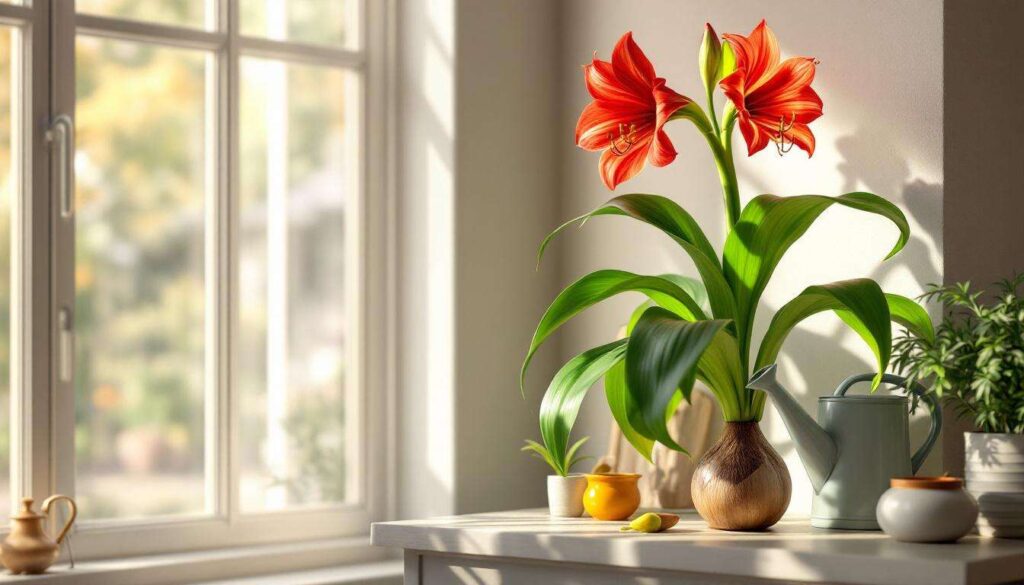
The amaryllis stands as one of the most spectacular flowering bulbs available to home gardeners, producing massive trumpet-shaped blooms in vibrant shades of red, white, pink, and orange. After enjoying these stunning flowers during winter months, many gardeners wonder whether their amaryllis can bloom again or if the bulb has exhausted its potential. The answer is remarkably encouraging. With proper care following the initial bloom period, amaryllis bulbs can reliably flower year after year, often producing even more impressive displays with each successive season. The process requires understanding the plant’s natural cycle and providing appropriate conditions at each stage of development.
Understanding the amaryllis blooming cycle
The natural growth pattern of amaryllis
The amaryllis follows a predictable annual cycle that mimics its native South African environment. This cycle consists of distinct phases that include active growth, dormancy, and flowering. Understanding these phases helps gardeners provide the right conditions at the right time.
- Active growth period: spring through summer when leaves develop and the bulb stores energy
- Dormant period: late fall when the plant rests and prepares for flowering
- Flowering period: winter when the spectacular blooms emerge
- Post-bloom recovery: immediately after flowers fade when leaves continue photosynthesis
Why amaryllis needs a complete cycle
Each phase serves a critical purpose in the plant’s ability to rebloom. The active growth period allows the bulb to manufacture and store carbohydrates through photosynthesis. The dormant period triggers the physiological changes necessary for flower formation. Skipping or shortening any phase typically results in failure to bloom the following season.
The bulb itself acts as a storage organ, accumulating nutrients that will fuel the next flowering display. A healthy bulb should feel firm and heavy, indicating adequate energy reserves for future blooms.
Recognizing these natural rhythms sets the foundation for successful post-bloom care strategies.
Essential post-bloom care for the amaryllis
Immediate steps after flowers fade
Once the amaryllis flowers begin to wilt, prompt action ensures the plant channels energy appropriately. Remove the faded flowers by cutting the flower stalk about two inches above the bulb. This prevents the plant from investing resources in seed production, redirecting energy toward bulb development instead.
The foliage, however, should remain completely intact at this stage. These green leaves will continue performing photosynthesis for several months, building the bulb’s strength for the next blooming cycle.
Creating optimal growing conditions
After bloom, the amaryllis transitions into its vegetative growth phase. Position the plant in a location that receives bright, indirect sunlight for at least six hours daily. A south or west-facing window typically provides ideal light conditions.
| Environmental Factor | Optimal Range |
|---|---|
| Temperature | 65-75°F |
| Light exposure | 6-8 hours daily |
| Humidity | 40-60% |
Many gardeners successfully move their amaryllis outdoors once nighttime temperatures remain consistently above 50°F, gradually acclimating the plant to outdoor conditions over a week-long period.
Proper environmental conditions work in conjunction with appropriate nutrition and hydration practices.
The importance of watering and fertilizing
Establishing a watering schedule
During the active growth period, amaryllis requires consistent moisture without waterlogging. Water thoroughly when the top inch of soil feels dry to the touch, allowing excess water to drain completely from the pot. Sitting in standing water causes bulb rot, one of the most common reasons for amaryllis failure.
The frequency typically ranges from once weekly to every ten days, depending on temperature, humidity, and pot size. Terracotta pots dry faster than plastic containers, requiring more frequent watering.
Fertilization strategies for robust bulbs
A regular feeding program during the growth phase significantly impacts reblooming success. Begin fertilizing two weeks after the flowers fade and continue until late summer.
- Use a balanced, water-soluble fertilizer with equal nitrogen, phosphorus, and potassium ratios such as 10-10-10
- Apply at half the recommended strength every two to three weeks
- Alternatively, use a slow-release granular fertilizer applied once at the beginning of the growth season
- Cease all fertilization by late August to allow the plant to prepare for dormancy
Phosphorus particularly supports flower bud development, making it an essential component of the fertilization program. Some growers switch to a bloom-boosting formula higher in phosphorus during mid-summer.
These nutritional practices prepare the bulb for the next critical phase involving foliage management.
How and when to prune the foliage
Recognizing the right time to cut leaves
The amaryllis foliage should remain on the plant throughout the entire growing season, typically six to eight months after flowering. Premature removal of green leaves drastically reduces the bulb’s ability to store energy, often preventing flowering the following year.
Wait until the leaves turn completely yellow or brown before cutting them. This natural yellowing indicates the plant has transferred nutrients from the foliage back into the bulb. Cutting green leaves is equivalent to removing the plant’s food-manufacturing system.
Proper cutting technique
When foliage has fully yellowed, use clean, sharp scissors or pruning shears to cut the leaves about one inch above the bulb neck. Sterilizing cutting tools with rubbing alcohol prevents disease transmission.
Some leaves may yellow at different rates. Remove each leaf individually as it dies back rather than waiting for all foliage to decline simultaneously.
With foliage removed, the bulb enters its crucial dormant phase requiring specific storage conditions.
Storing the amaryllis for winter
Preparing the bulb for dormancy
The dormant period typically lasts eight to twelve weeks and simulates the dry season in the amaryllis native habitat. This rest period is absolutely essential for flower formation. Stop watering completely once the foliage has been removed.
The bulb can remain in its pot or be removed and stored bare. Pot storage proves simpler for most gardeners and reduces transplant shock.
Ideal storage conditions
Place the potted bulb in a cool, dark, dry location where temperatures remain between 50-55°F. Suitable storage areas include:
- Unheated basement or cellar
- Garage that doesn’t freeze
- Closet in an unheated room
- Crawl space with adequate ventilation
Check the bulb monthly during dormancy. It should remain firm without signs of shriveling or mold. Slight shriveling indicates excessive dryness; move to a slightly more humid location but do not water.
This resting phase sets the stage for the exciting reblooming process.
Successfully reblooming the amaryllis in spring
Breaking dormancy at the right time
After the dormancy period, typically in late fall or early winter, bring the pot back into a warm, bright location. The timing depends on when you want flowers. Amaryllis typically blooms six to eight weeks after breaking dormancy.
Begin watering sparingly, moistening the soil lightly. As new growth emerges from the bulb top, gradually increase watering frequency. Once active growth appears, resume the regular watering schedule used during the previous growth cycle.
Supporting the emerging bloom
The flower stalk typically appears before or alongside new leaves. As it grows, rotate the pot regularly to promote straight, upright growth. Some tall varieties benefit from staking to prevent the heavy flower head from toppling.
| Growth Stage | Expected Timeline |
|---|---|
| First signs of growth | 1-2 weeks after breaking dormancy |
| Flower stalk emergence | 2-4 weeks |
| Bud formation | 4-6 weeks |
| Full bloom | 6-8 weeks |
Resume fertilizing once leaves appear, following the same schedule used during the previous growth cycle. With proper care, the amaryllis often produces multiple flower stalks and larger blooms with each successive year.
The amaryllis reblooming process rewards patience and attention to the plant’s natural rhythms. By respecting the complete growth cycle, providing adequate nutrition during active growth, allowing proper dormancy, and timing the restart appropriately, gardeners can enjoy these magnificent flowers year after year. The bulb actually improves with age when properly cared for, often producing more flower stalks and larger blooms as it matures. This simple technique transforms a single-season display into a perennial source of winter beauty.