
Winter gardens often appear lifeless, with most flowering plants retreating into dormancy as temperatures drop. Yet a select few perennials defy this seasonal slumber, offering vibrant blooms when pollinators desperately need sustenance. Among these remarkable plants stands one that gardeners frequently overlook: a shade-tolerant perennial that not only brightens dark corners during the coldest months but also provides critical nutrition for early-emerging bees while simultaneously suppressing invasive weeds. This triple-threat garden companion deserves recognition for its ability to transform challenging growing conditions into productive, ecologically beneficial spaces.
The secret to a productive winter garden
Creating a garden that remains functional throughout winter requires strategic plant selection. Most gardeners focus exclusively on spring and summer bloomers, leaving their landscapes barren when temperatures plummet. However, productive winter gardening depends on incorporating species that thrive in cooler conditions and provide tangible benefits during dormant months.
Understanding winter garden productivity
A truly productive winter garden accomplishes multiple objectives simultaneously. Beyond aesthetic appeal, it should support local ecosystems by feeding pollinators, prevent soil erosion, and minimize maintenance requirements. The key lies in selecting plants adapted to low light conditions and cold temperatures while offering ecological services that extend beyond mere decoration.
Essential characteristics of winter-performing plants
Successful winter garden plants share several critical attributes:
- Cold tolerance with blooming capability below 50°F
- Shade adaptation for gardens with limited winter sunlight
- Ground-covering growth habits that suppress competing vegetation
- Early flowering periods that coincide with pollinator emergence
- Low maintenance requirements during challenging weather
Plants meeting these criteria transform winter gardens from passive landscapes into active ecological contributors. This foundation sets the stage for examining a specific species that exemplifies these qualities.
An unsung gardener’s ally: lesser celandine
Lesser celandine (Ficaria verna) represents one of the earliest flowering perennials, producing cheerful yellow blooms from late winter through early spring. This member of the buttercup family thrives in conditions that challenge most garden plants, particularly shaded areas with moist soil.
Botanical characteristics and growth patterns
This low-growing perennial reaches heights of only 2 to 4 inches, forming dense mats of heart-shaped leaves. Its bright yellow flowers, measuring approximately one inch across, feature 8 to 12 glossy petals that open in response to sunlight. The plant spreads through tuberous roots and small bulbils, creating extensive ground coverage within a few seasons.
Ideal growing conditions
| Growing Factor | Optimal Conditions |
|---|---|
| Light Requirements | Partial to full shade |
| Soil Type | Moist, well-draining, rich in organic matter |
| Hardiness Zones | 4 through 8 |
| Bloom Period | February through May |
| Mature Spread | 12 to 18 inches per plant |
Understanding how this plant supports pollinators reveals another dimension of its garden value.
How does this plant nourish bees during winter ?
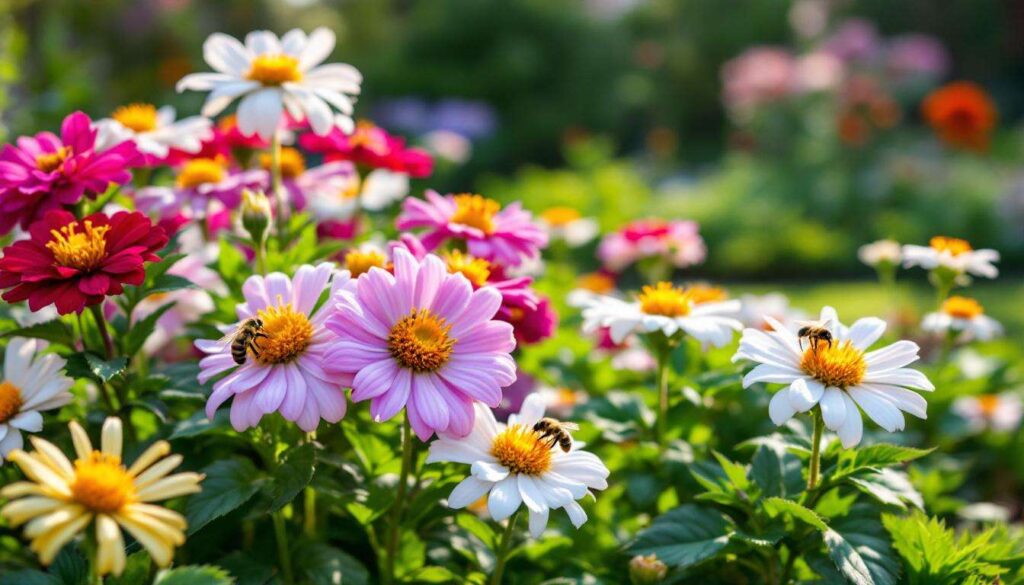
Pollinator populations face critical food shortages during late winter and early spring. Lesser celandine addresses this ecological gap by providing nectar and pollen precisely when bees emerge from winter dormancy but few other food sources exist.
The pollinator crisis and early bloomers
Bee populations worldwide face unprecedented challenges, including habitat loss, pesticide exposure, and climate disruption. Early-emerging species, particularly queen bumblebees establishing new colonies, require immediate nutrition after winter. Lesser celandine’s February blooms offer essential sustenance during this vulnerable period, supporting colony establishment and survival.
Nutritional value for pollinators
The plant’s flowers produce copious amounts of both nectar and pollen, attracting various bee species including:
- Honeybees seeking early-season carbohydrates
- Bumblebee queens requiring protein-rich pollen for egg production
- Solitary bee species emerging from winter hibernation
- Hoverflies and other beneficial insects
This pollinator support represents just one ecological service; the plant’s growth habits provide additional garden benefits.
Protecting your crops: a natural barrier against weeds
Dense ground coverage prevents weed establishment by eliminating the bare soil and sunlight that opportunistic plants require. Lesser celandine excels at this function through its mat-forming growth pattern and early seasonal emergence.
Mechanisms of weed suppression
The plant suppresses weeds through multiple pathways. Its tuberous roots create dense underground networks that physically crowd out competing plants. Above ground, the thick leaf canopy blocks sunlight from reaching weed seeds, preventing germination. Additionally, early spring emergence gives lesser celandine a competitive advantage over most weeds, establishing dominance before unwanted plants begin growing.
Comparing ground cover effectiveness
| Ground Cover Type | Weed Suppression Rating | Shade Tolerance | Winter Activity |
|---|---|---|---|
| Lesser Celandine | Excellent | High | Active blooming |
| Pachysandra | Good | High | Dormant |
| Vinca Minor | Good | Moderate | Minimal activity |
| Ajuga | Moderate | Moderate | Dormant |
Successful cultivation requires understanding proper planting and maintenance techniques.
Tips for planting and maintaining this perennial
Establishing lesser celandine requires minimal effort, though strategic placement ensures optimal performance and prevents unwanted spread.
Planting guidelines for success
Plant tubers or divisions in early fall, positioning them 2 to 3 inches deep in prepared soil enriched with compost or leaf mold. Space individual plants 6 to 8 inches apart, allowing room for natural spreading. Choose locations receiving morning sun but afternoon shade, particularly in warmer climates where excessive heat may stress plants.
Ongoing maintenance requirements
This low-maintenance perennial requires minimal intervention once established:
- Water during extended dry periods in spring before dormancy
- Apply organic mulch annually to maintain soil moisture
- Remove spent flowers if preventing self-seeding is desired
- Divide overcrowded clumps every 3 to 4 years
- Monitor spread in smaller gardens to prevent excessive colonization
Managing vigorous growth
In optimal conditions, lesser celandine spreads enthusiastically. Gardeners with limited space should install physical barriers such as edging or plant in contained areas. The plant naturally goes dormant by late spring, disappearing completely until the following winter, making it ideal for layering with summer-active perennials.
These practical considerations lead to broader questions about incorporating this plant into shade garden designs.
Why adopt this plant for your shade garden ?
Shade gardens present unique challenges that lesser celandine addresses with remarkable efficiency. Its combination of early blooms, pollinator support, and weed suppression makes it invaluable for gardeners seeking productive landscapes year-round.
Solving common shade garden problems
Shaded areas typically suffer from limited plant options, bare soil susceptible to erosion, and minimal wildlife activity. Lesser celandine transforms these liabilities into assets by thriving where other plants struggle, stabilizing soil with dense root systems, and attracting beneficial insects during critical periods.
Ecological and aesthetic benefits combined
Beyond practical advantages, the plant offers genuine beauty. Its glossy yellow flowers create striking contrast against dark soil and emerging spring foliage. The brief but intense blooming period signals winter’s end while supporting local ecosystems. For gardeners prioritizing ecological function alongside visual appeal, lesser celandine represents an ideal choice that delivers both without compromise.
Gardeners seeking maximum productivity from challenging shade areas will find lesser celandine an indispensable ally. This resilient perennial addresses multiple garden needs simultaneously: brightening dark spaces during winter’s bleakest months, providing critical nutrition for emerging pollinators, and suppressing weeds through vigorous ground coverage. Its minimal maintenance requirements and remarkable adaptability to difficult growing conditions make it particularly valuable for sustainable landscape designs. By incorporating this often-overlooked plant, gardeners create ecologically functional spaces that support biodiversity while reducing maintenance demands and enhancing year-round visual interest.