
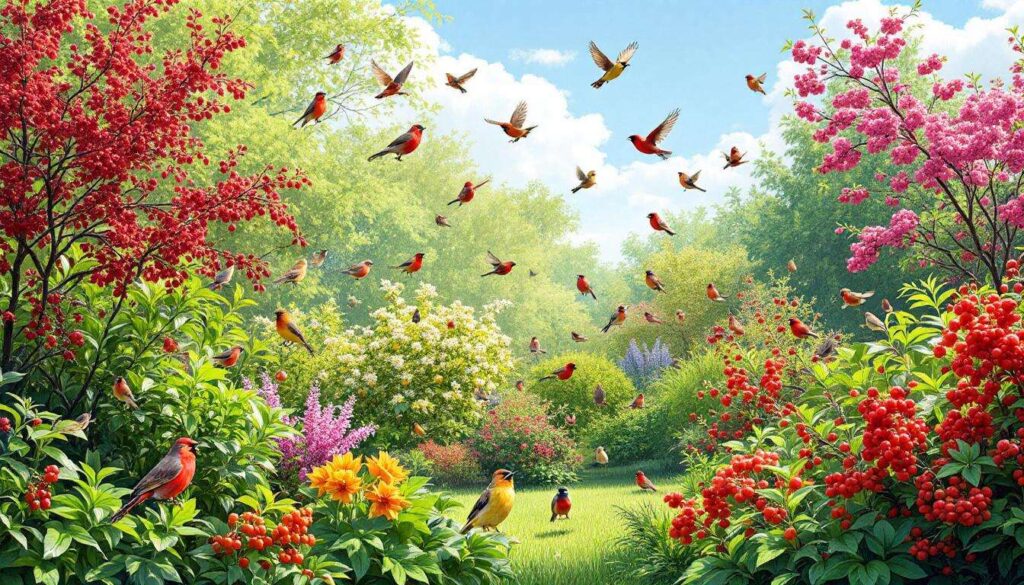
Transforming a backyard into a thriving sanctuary for feathered visitors requires more than scattering seeds and hoping for the best. Strategic planting choices can dramatically increase avian activity, turning an ordinary outdoor space into a bustling hub of natural beauty. After years of experimenting with various plantings, three specific shrubs have proven remarkably effective at drawing diverse bird species throughout the seasons. These carefully selected additions have revolutionized the garden landscape, creating an ecosystem that supports wildlife while enhancing visual appeal.
Introduction to attracting birds to the garden
Creating a bird-friendly environment goes beyond installing a simple feeder. Birds seek comprehensive habitats that provide shelter, nesting sites, and natural food sources. Understanding avian behavior and preferences forms the foundation for successful wildlife gardening.
Understanding bird habitat requirements
Birds evaluate potential territories based on multiple environmental factors. A truly welcoming garden addresses several fundamental needs simultaneously. The most successful bird gardens incorporate diverse vertical layers, from ground cover to canopy, mimicking natural woodland edges where bird populations naturally concentrate.
Essential elements that birds seek include:
- Protected nesting locations away from predators
- Consistent water sources for drinking and bathing
- Year-round food availability through native plants
- Dense vegetation for shelter during harsh weather
- Perching spots for surveying territory and resting
The role of native plants in bird attraction
Native vegetation provides superior benefits compared to exotic ornamentals. Indigenous plants have evolved alongside local bird populations, creating symbiotic relationships that sustain both flora and fauna. These plants produce berries, seeds, and nectar at times when birds most need them, particularly during migration periods and winter months when other food sources become scarce.
Native shrubs also attract insects that form a critical protein source for nestlings and adult birds during breeding season. This natural food web supports healthier bird populations than artificial feeding alone could achieve.
Understanding these fundamental requirements sets the stage for selecting specific plants that will maximize avian visits.
Why shrubs are essential for birds
Shrubs occupy a unique ecological niche that makes them particularly valuable for bird populations. Their mid-height structure fills the critical space between ground level and tree canopy, creating the layered habitat complexity that diverse bird species require.
Shelter and nesting opportunities
Dense shrub branches provide exceptional protection from weather extremes and predators. Many bird species prefer nesting in shrubs rather than trees, finding the compact branching structure ideal for securing nests against wind and concealing them from hawks and other threats. The thick foliage creates microclimates that moderate temperature fluctuations, protecting eggs and vulnerable chicks.
Shrubs with thorny branches offer additional security, deterring climbing predators like cats and snakes while allowing birds easy access through flight. This natural fortress design makes certain shrub species particularly attractive to protective parent birds.
Food sources throughout seasons
Strategic shrub selection ensures continuous food availability across different seasons. Various species produce berries, seeds, and nuts at staggered times, creating a natural feeding calendar that sustains birds year-round. Spring blooms attract insects for insectivorous species, summer berries provide energy during breeding season, and persistent winter fruits offer crucial sustenance when other resources disappear.
| Season | Food Type | Primary Beneficiaries |
|---|---|---|
| Spring | Insects, nectar | Warblers, hummingbirds |
| Summer | Early berries | Robins, catbirds |
| Fall | Seeds, late berries | Sparrows, thrushes |
| Winter | Persistent fruits | Waxwings, bluebirds |
This multifaceted functionality explains why incorporating the right shrubs creates such dramatic increases in bird activity.
Introducing the 3 key shrubs
Three specific shrub species have proven exceptionally effective at attracting diverse bird populations while thriving in various garden conditions. Each offers distinct advantages that complement the others, creating a comprehensive habitat.
Serviceberry: the versatile favorite
Serviceberry, also known as Amelanchier, ranks among the most valuable shrubs for bird attraction. This native North American plant produces abundant white spring blossoms followed by purple-black berries in early summer. Over 40 bird species consume serviceberries, including orioles, tanagers, and grosbeaks.
Key benefits of serviceberry include:
- Early fruit production when other food sources remain limited
- Stunning fall foliage providing aesthetic value
- Adaptability to various soil types and sun exposures
- Multi-stemmed growth creating excellent nesting structure
- Four-season interest from flowers to fruit to autumn color
The shrub’s manageable size, typically reaching 6-20 feet depending on variety, makes it suitable for gardens of various scales. Its tolerance for partial shade allows placement in locations where other fruiting shrubs might struggle.
Elderberry: the berry powerhouse
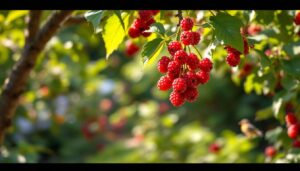
Elderberry produces prolific fruit clusters that birds find irresistible. This fast-growing native shrub creates dense thickets that provide excellent cover while producing massive quantities of small, dark berries in late summer. More than 45 bird species feed on elderberries, making it one of the most universally attractive options available.
The compound leaves and hollow stems also attract numerous insects, providing additional protein-rich food sources for insectivorous birds. Elderberry’s vigorous growth habit quickly establishes substantial habitat, particularly valuable in newly developed gardens lacking mature vegetation.
Winterberry holly: the cold-season champion
Winterberry holly offers crucial winter nutrition when most other food sources have been depleted. This deciduous holly produces brilliant red berries that persist through winter months, providing emergency rations during harsh weather. The berries become increasingly palatable to birds as they soften through freeze-thaw cycles.
Robins, bluebirds, and waxwings particularly favor winterberry, often descending in flocks to strip branches during late winter. The shrub’s tolerance for wet soils makes it ideal for problem areas where other plants struggle, turning drainage challenges into wildlife opportunities.
Proper installation and care ensure these shrubs reach their full potential for attracting birds.
How to plant and maintain these shrubs
Successful establishment requires attention to specific planting techniques and ongoing maintenance practices that promote healthy growth and maximum fruiting.
Site selection and soil preparation
Choosing appropriate locations maximizes each shrub’s performance. Serviceberry thrives in full sun to partial shade with well-drained soil, making it versatile for various garden positions. Elderberry prefers full sun and tolerates a wide pH range, though it produces heaviest in rich, moist soil. Winterberry requires acidic soil and tolerates wet conditions that would rot other shrubs.
Soil preparation steps include:
- Testing pH and amending to meet species requirements
- Incorporating organic matter to improve structure and drainage
- Removing competing weeds and grass within planting area
- Digging holes twice as wide as root balls but no deeper
- Loosening compacted soil around planting holes
Planting techniques for optimal establishment
Proper planting technique significantly impacts long-term success. Position plants at the same depth they grew in containers, avoiding burial of the root crown which can cause rot. Backfill with native soil rather than amendments, encouraging roots to expand into surrounding ground. Water thoroughly at planting to eliminate air pockets and establish soil contact with roots.
Apply a 3-4 inch mulch layer around plants, keeping material away from stems to prevent moisture-related diseases. This mulch conserves moisture, moderates soil temperature, and suppresses competing weeds during the critical establishment period.
Ongoing care requirements
Maintenance needs remain modest once shrubs establish. Water deeply during dry periods for the first two growing seasons. Mature plants generally survive on natural rainfall except during severe drought. Avoid excessive fertilization which promotes leafy growth at the expense of flowering and fruiting.
Pruning requirements vary by species:
| Shrub | Pruning Timing | Pruning Goals |
|---|---|---|
| Serviceberry | Late winter | Remove dead wood, shape form |
| Elderberry | Early spring | Cut old canes, encourage new growth |
| Winterberry | Late winter | Minimal, remove damaged branches |
Note that winterberry requires both male and female plants for berry production, with one male pollinating up to five females. Understanding these complementary elements further enhances bird-friendly gardens.
Other elements promoting bird presence
While shrubs form the foundation, additional features create a comprehensive bird habitat that maximizes species diversity and activity levels throughout the year.
Water features and bird baths
Reliable water sources prove as important as food for attracting birds. A simple bird bath placed near protective shrubs encourages bathing and drinking while providing safety from predators. Moving water from fountains or drippers creates audible attraction that draws birds from considerable distances.
Maintain water features by cleaning regularly to prevent algae growth and disease transmission. During winter, heated bird baths provide crucial hydration when natural sources freeze solid.
Supplemental feeding stations
Strategic feeder placement complements natural food sources without creating dependency. Position feeders near shrubs so birds can quickly retreat to cover when threatened. Offer diverse food types to attract various species, including:
- Black oil sunflower seeds for cardinals and chickadees
- Nyjer seed for finches and siskins
- Suet cakes for woodpeckers and nuthatches
- Mealworms for bluebirds and wrens
- Fruit pieces for orioles and tanagers
Avoiding harmful practices
Creating safe environments requires eliminating common hazards. Avoid pesticide use which eliminates insect food sources and can poison birds directly. Keep cats indoors to protect ground-feeding species. Apply window decals or screens to prevent collision injuries that kill millions of birds annually.
Allow some natural messiness by leaving seed heads standing through winter and permitting leaf litter to accumulate in shrub beds. These practices provide additional food and shelter while supporting the insects that birds depend upon.
Real experiences from fellow gardeners offer valuable insights for implementing these strategies.
Testimonials and tips from gardening enthusiasts
Experienced bird gardeners share observations that highlight the transformative impact of strategic shrub planting and thoughtful habitat creation.
Success stories from backyard birders
Margaret from Pennsylvania reports that adding serviceberry and winterberry to her suburban yard increased bird species count from 12 to 28 within two years. She particularly notes the arrival of scarlet tanagers and rose-breasted grosbeaks, species she had never observed in her neighborhood previously. The dense shrub layer provided the cover these forest-edge species require in residential settings.
James in Oregon credits elderberry thickets with attracting cedar waxwing flocks that now visit annually during late summer. He emphasizes the importance of planting multiple elderberry specimens to create sufficient fruit volume for these social birds that feed in large groups.
Practical advice from experienced gardeners
Veteran bird gardeners consistently recommend patience during establishment. Sarah from Michigan notes that her shrubs required three full growing seasons before producing significant fruit crops. She advises new planters to maintain supplemental feeding during this maturation period to keep birds visiting while natural food sources develop.
Additional tips include:
- Plant shrubs in groups rather than isolated specimens for greater impact
- Choose varieties appropriate for specific climate zones
- Maintain detailed records of bird sightings to track habitat improvements
- Join local birding groups to learn regional species preferences
- Photograph visiting birds to aid identification and appreciation
These collective experiences demonstrate the remarkable potential of thoughtful plant selection combined with comprehensive habitat management.
Strategic selection of serviceberry, elderberry, and winterberry creates a foundation for exceptional bird activity throughout all seasons. These shrubs provide essential food, shelter, and nesting opportunities that transform ordinary gardens into thriving wildlife habitats. Combined with water features, thoughtful maintenance practices, and patience during establishment, these plantings deliver dramatic increases in both bird numbers and species diversity. The investment in proper site preparation and ongoing care yields years of rewarding observations as gardens become vibrant ecosystems supporting local and migratory bird populations.