

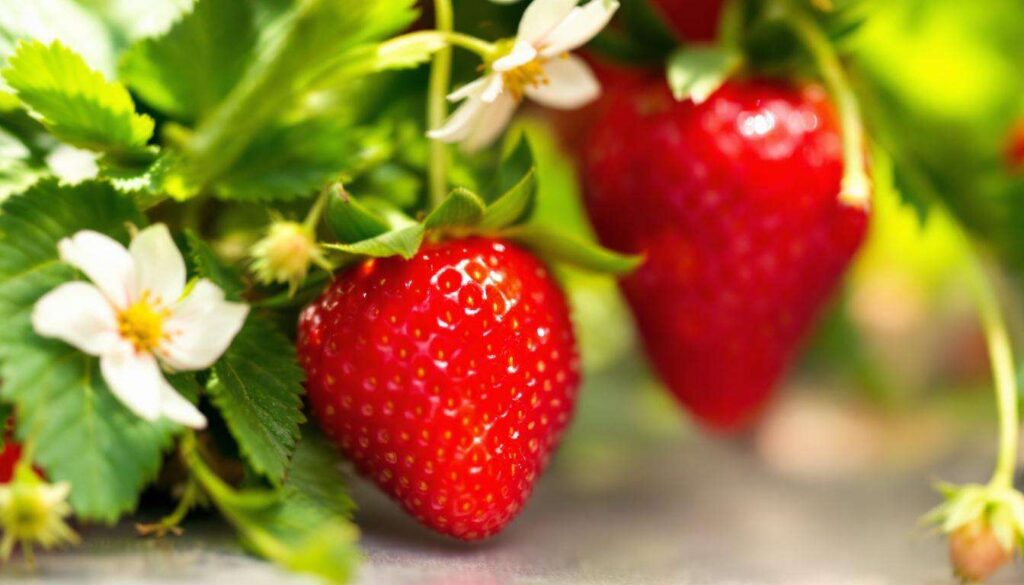
Growing strawberries can transform your garden experience, especially when you discover the secret of focusing your efforts on a single, high-performing variety. Many gardeners have abandoned the traditional approach of cultivating multiple strawberry types, finding that concentrating on one exceptional everbearing variety delivers continuous harvests from late spring through the first frosts of autumn. This strategic choice eliminates the guesswork and maximizes productivity while simplifying garden management.
Why choose only one variety of strawberries
Simplified garden management
Cultivating a single strawberry variety dramatically reduces the complexity of garden care. When you grow multiple varieties, each may require different watering schedules, fertilization routines, and pruning techniques. By focusing on one type, you develop expertise in its specific needs and can fine-tune your approach for optimal results.
This streamlined method offers several practical advantages:
- Consistent care routines that become second nature
- Easier pest and disease monitoring across uniform plants
- Simplified record-keeping for productivity tracking
- Reduced confusion about harvesting times
- More efficient use of garden space and resources
Economic and space efficiency
Dedicating your strawberry patch to one proven variety makes financial sense. Rather than purchasing small quantities of multiple cultivars, you can invest in a larger quantity of a single type, often qualifying for bulk pricing. The space efficiency becomes apparent when you realize that mixing varieties with different growth habits and spacing requirements leads to wasted garden real estate.
Understanding what makes certain strawberry varieties stand out requires examining their specific growing characteristics and fruiting patterns.
The characteristics of an everbearing strawberry
Continuous fruiting cycle
Everbearing strawberries possess a unique biological advantage over traditional June-bearing varieties. These remarkable plants produce fruit in multiple flushes throughout the growing season, typically offering two to three distinct harvest periods. The first wave appears in late spring, followed by subsequent crops in summer and early autumn, providing a steady supply of fresh berries for months.
The fruiting mechanism differs fundamentally from standard varieties. While June-bearing strawberries concentrate their energy into one intensive production period, everbearing types distribute their reproductive efforts across the season, responding to temperature and daylight variations rather than a single flowering trigger.
Plant structure and growth habits
Everbearing varieties exhibit distinct physical characteristics that contribute to their extended productivity:
- Compact growth patterns ideal for containers and raised beds
- Moderate runner production compared to June-bearing types
- Strong root systems that support continuous flowering
- Medium-sized berries with consistent flavor profiles
- Excellent disease resistance in many modern cultivars
| Characteristic | Everbearing | June-bearing |
|---|---|---|
| Harvest periods | 2-3 times per season | Once per season |
| Berry size | Medium | Large |
| Runner production | Moderate | Abundant |
| Season length | Spring to autumn | 3-4 weeks |
Successful cultivation of these productive plants depends on implementing appropriate care strategies throughout the growing season.
The care and maintenance required
Soil preparation and feeding schedule
Proper soil conditions form the foundation for continuous strawberry production. Everbearing varieties demand nutrient-rich, well-draining soil with a pH between 5.5 and 6.8. Before planting, incorporate generous amounts of compost and aged manure to establish a fertile growing medium.
The feeding schedule for everbearing strawberries differs from traditional varieties. Because these plants fruit repeatedly, they require consistent nutrient replenishment throughout the season. Apply a balanced fertilizer every four to six weeks during active growth, reducing frequency as autumn approaches. Organic options like fish emulsion or compost tea provide gentle, sustained nutrition without the risk of chemical burn.
Watering and mulching practices
Consistent moisture proves critical for uninterrupted fruit production. Everbearing strawberries need approximately one inch of water weekly, delivered through deep, infrequent watering rather than shallow daily applications. Drip irrigation or soaker hoses work exceptionally well, keeping foliage dry and reducing disease pressure.
Mulching serves multiple purposes in strawberry cultivation:
- Maintains consistent soil moisture levels
- Suppresses weed competition
- Keeps developing berries clean and off the ground
- Moderates soil temperature fluctuations
- Adds organic matter as it decomposes
These cultivation practices create an environment where strawberries thrive, but they also influence the broader ecosystem within your garden space.
The impact on garden biodiversity
Beneficial insect attraction
A dedicated strawberry patch with continuous flowering becomes a magnet for pollinators and beneficial insects. The successive bloom cycles provide reliable nectar and pollen sources from spring through autumn, supporting honeybees, native bees, hoverflies, and butterflies. This sustained floral resource helps maintain healthy pollinator populations during periods when other garden plants may not be flowering.
Ecosystem considerations
While monoculture cultivation raises valid ecological concerns, a single-variety strawberry patch occupies a relatively small footprint in most home gardens. The environmental impact can be minimized and even turned positive through thoughtful companion planting around the strawberry bed. Surrounding your strawberry patch with diverse flowering plants, herbs, and vegetables creates habitat corridors and maintains overall garden biodiversity.
Strategic planting choices enhance both productivity and ecological balance:
- Borage and thyme attract pollinators while deterring pests
- Marigolds provide natural pest control
- Chives and garlic discourage aphids and spider mites
- White clover fixes nitrogen and serves as living mulch
Maximizing your harvest requires attention to specific techniques that leverage the unique characteristics of everbearing varieties.
Tips for optimizing the harvest
Flower management in the first year
Patience during the establishment year pays significant dividends in subsequent seasons. Remove all flowers that appear during the first six to eight weeks after planting. This counterintuitive practice redirects the plant’s energy into root development and vegetative growth, creating a robust foundation for years of productive harvests.
Strategic runner control
Managing runner production directly impacts fruit yield. Each runner diverts energy away from berry production, so removing them promptly maintains focus on fruiting. However, allowing a controlled number of runners to develop provides replacement plants for the following season, balancing current productivity with future sustainability.
Harvest timing and techniques
Proper harvesting practices extend the productive season and maintain plant health. Pick berries when fully colored but still firm, typically every two to three days during peak production. Morning harvest, after dew has dried but before heat builds, yields berries with the best flavor and longest storage life.
Key harvesting guidelines include:
- Leave the green cap attached when picking
- Handle berries gently to avoid bruising
- Remove overripe or damaged fruit promptly
- Never allow rotting berries to remain on plants
- Refrigerate harvested berries immediately for best quality
Real-world experiences from gardeners who have adopted this focused approach provide valuable insights and practical wisdom.
Harvesting strawberries until autumn: testimonials and advice
Success stories from experienced growers
Gardeners who have transitioned to single-variety everbearing cultivation consistently report remarkable results. Many describe the revelation of picking fresh strawberries in September, long after traditional varieties have finished producing. The continuous harvest eliminates the feast-or-famine cycle that characterizes June-bearing types, providing manageable quantities of fruit throughout the season rather than an overwhelming glut followed by months without berries.
Practical recommendations
Experienced growers emphasize several critical factors for success with everbearing strawberries. Variety selection matters tremendously, with cultivars like ‘Albion’, ‘Seascape’, and ‘Quinault’ earning particular praise for reliability and flavor. Climate considerations influence variety choice, as some everbearing types perform better in cooler regions while others tolerate heat more effectively.
Veteran strawberry growers offer these proven strategies:
- Replace plants every three years to maintain vigor and productivity
- Protect autumn crops from early frosts with row covers
- Reduce watering slightly as temperatures cool to concentrate fruit flavor
- Keep detailed notes on performance to refine techniques annually
- Share experiences with local gardening communities for region-specific insights
Focusing your strawberry cultivation efforts on a single, well-chosen everbearing variety transforms the growing experience from complicated to streamlined, from sporadic to reliable. The continuous harvest from spring through autumn provides fresh fruit for immediate consumption, preserving, and sharing, while simplified care requirements free up time and mental energy for other garden pursuits. Success with this approach requires selecting an appropriate variety for your climate, implementing consistent care practices, and maintaining patience during the establishment phase. The rewards include months of homegrown strawberries, a thriving pollinator habitat, and the satisfaction of mastering a focused, productive growing system that delivers results season after season.