

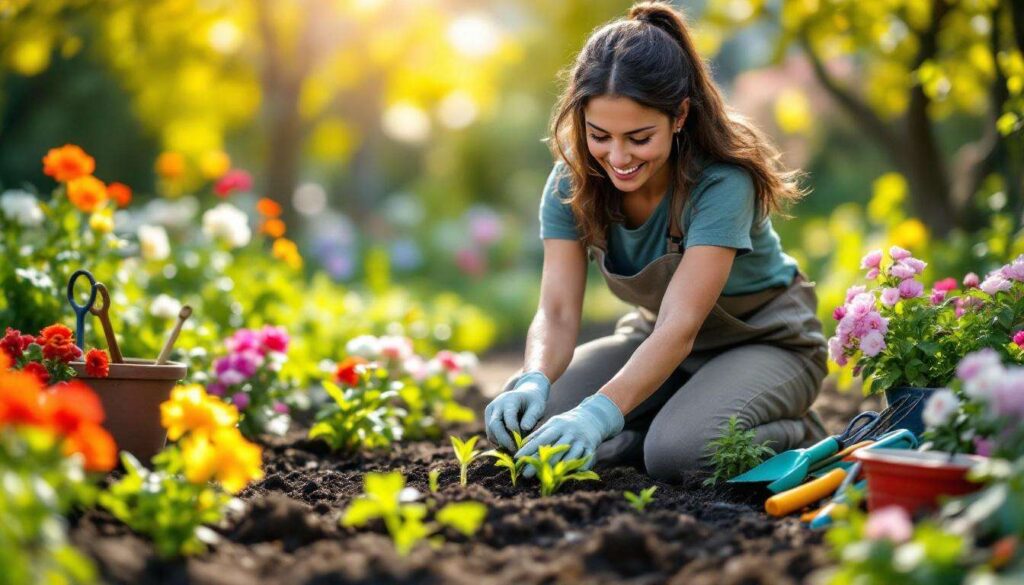
Spring sowing marks a critical period for gardeners eager to establish thriving gardens. Success during these crucial weeks depends on combining traditional wisdom with proven techniques. Whether you’re a seasoned horticulturist or just beginning your gardening journey, mastering fundamental practices ensures healthy seedlings and abundant harvests. The following strategies, refined through generations of gardening experience, provide reliable methods for achieving consistent results season after season.
Preparing the soil for successful sowing
Testing and amending soil composition
Soil quality determines seedling survival rates more than any other factor. Before planting begins, conduct a comprehensive soil test to measure pH levels, nutrient content, and organic matter percentage. Most garden centers offer affordable testing kits, or you can send samples to agricultural extension offices for detailed analysis.
Based on test results, amend your soil accordingly:
- Add sulfur or peat moss to lower pH for acid-loving plants
- Incorporate lime to raise pH for alkaline-preferring species
- Mix in compost or aged manure to boost organic matter
- Blend in perlite or vermiculite to improve drainage in clay soils
- Add coconut coir to enhance moisture retention in sandy conditions
Timing soil preparation correctly
Prepare beds at least two to three weeks before sowing to allow amendments to integrate properly. Turn soil when it reaches proper moisture levels—squeeze a handful and it should crumble apart rather than form a sticky ball. Working soil when too wet creates compaction and damages structure, while overly dry soil resists incorporation of amendments.
Understanding your soil’s unique characteristics sets the foundation for everything that follows in your spring gardening efforts.
Selecting seeds suitable for your climate
Understanding hardiness zones and microclimates
Climate compatibility represents the difference between flourishing plants and disappointing failures. Consult the USDA Plant Hardiness Zone Map to identify your region’s classification, then select varieties bred for those specific conditions. However, microclimates within your property may differ significantly from general zone designations.
| Location Factor | Temperature Impact | Sowing Adjustment |
|---|---|---|
| South-facing walls | +5-10°F warmer | Plant 1-2 weeks earlier |
| Low-lying areas | -5-8°F colder | Delay sowing 1-2 weeks |
| Urban environments | +3-7°F warmer | Extend growing season |
| Hilltops and slopes | Variable drainage | Choose drought-tolerant varieties |
Choosing between heirloom and hybrid varieties
Both seed types offer distinct advantages. Heirloom seeds provide genetic diversity, unique flavors, and the ability to save seeds for subsequent seasons. They’ve survived generations because of proven adaptability to specific regions. Hybrid seeds deliver disease resistance, uniform growth patterns, and often superior yields, though saved seeds won’t reproduce true to type.
Match seed selection to your specific goals—whether prioritizing flavor, productivity, or sustainability—and you’ll establish the right varieties for your gardening vision.
Mastering indoor sowing techniques
Creating optimal germination conditions
Indoor seed starting extends growing seasons and protects vulnerable seedlings from unpredictable weather. Temperature control proves essential—most seeds germinate best between 65-75°F. Use heating mats beneath seed trays to maintain consistent warmth, especially in basements or unheated spaces.
Proper lighting prevents leggy, weak seedlings:
- Position grow lights 2-3 inches above seedling tops
- Provide 14-16 hours of light daily
- Use full-spectrum bulbs that mimic natural sunlight
- Adjust light height as seedlings grow
- Rotate trays regularly for even exposure
Managing moisture without overwatering
Moisture balance challenges even experienced gardeners. Seeds require consistent dampness for germination, but excessive water causes damping-off disease and root rot. Bottom-watering prevents surface disturbance and encourages downward root growth. Place seed trays in shallow water-filled containers, allowing capillary action to draw moisture upward through drainage holes.
Monitor humidity levels with a simple gauge—aim for 50-70% during germination, then gradually reduce to 40-50% as seedlings mature. These controlled indoor conditions prepare young plants for their eventual outdoor environment.
The best tools to ease spring sowing
Essential equipment for precision planting
Quality tools transform sowing from tedious chore to efficient process. A soil blocker creates uniform planting cubes without plastic containers, reducing transplant shock and waste. Dibbers make consistent depth holes for seeds, ensuring proper placement. Seed spacing templates guarantee optimal plant distances, preventing overcrowding and competition for resources.
Invest in these specialized implements:
- Precision seeders for tiny seeds like carrots and lettuce
- Row markers for straight, organized planting lines
- Soil thermometer to confirm proper planting temperatures
- Watering wand with gentle shower setting
- Plant labels and waterproof markers for variety tracking
Maintaining and storing gardening equipment
Clean tools after each use to prevent disease transmission between plantings. Scrub soil residue with brushes, then disinfect metal surfaces with diluted bleach solution. Sharpen cutting tools regularly—clean cuts heal faster and reduce plant stress. Store equipment in dry locations to prevent rust and deterioration, hanging tools when possible to maintain proper shape.
Well-maintained tools perform reliably when you need them most, supporting the careful attention your seedlings require throughout their development.
Planning seedling maintenance for optimal growth
Establishing watering and feeding schedules
Consistent care routines prevent common seedling failures. Water early morning to allow foliage to dry before evening, reducing fungal disease risks. Young seedlings need frequent light watering, while established plants prefer deeper, less frequent irrigation that encourages robust root systems.
Begin fertilizing when true leaves appear—the second set of leaves that resemble mature plant foliage. Use diluted liquid fertilizer at quarter strength initially, gradually increasing concentration as plants mature. Organic options like fish emulsion or compost tea provide balanced nutrition without chemical buildup.
Hardening off before transplanting outdoors
Transitioning indoor seedlings to outdoor conditions requires gradual acclimation. Start the hardening-off process 7-10 days before intended transplant dates. Place seedlings in sheltered outdoor locations for one hour the first day, increasing exposure by one hour daily. Protect from direct midday sun and strong winds initially, gradually introducing these elements as plants adapt.
| Day | Outdoor Duration | Conditions |
|---|---|---|
| 1-2 | 1-2 hours | Shade, no wind |
| 3-4 | 3-4 hours | Partial shade |
| 5-6 | 5-6 hours | Morning sun exposure |
| 7-10 | Full day | All conditions, overnight if frost-free |
Monitor weather forecasts closely and bring seedlings indoors if temperatures drop unexpectedly. This careful preparation ensures transplants establish quickly rather than experiencing setback or shock.
Successful spring sowing combines methodical soil preparation, climate-appropriate seed selection, controlled germination environments, proper equipment, and attentive seedling care. These interconnected practices create conditions where seeds reliably transform into vigorous plants. By implementing these time-tested strategies, gardeners eliminate guesswork and establish predictable routines that yield consistent results regardless of experience level. The investment in preparation and technique pays dividends throughout the growing season, producing healthy gardens that thrive from spring planting through autumn harvest.